 brazil hiphop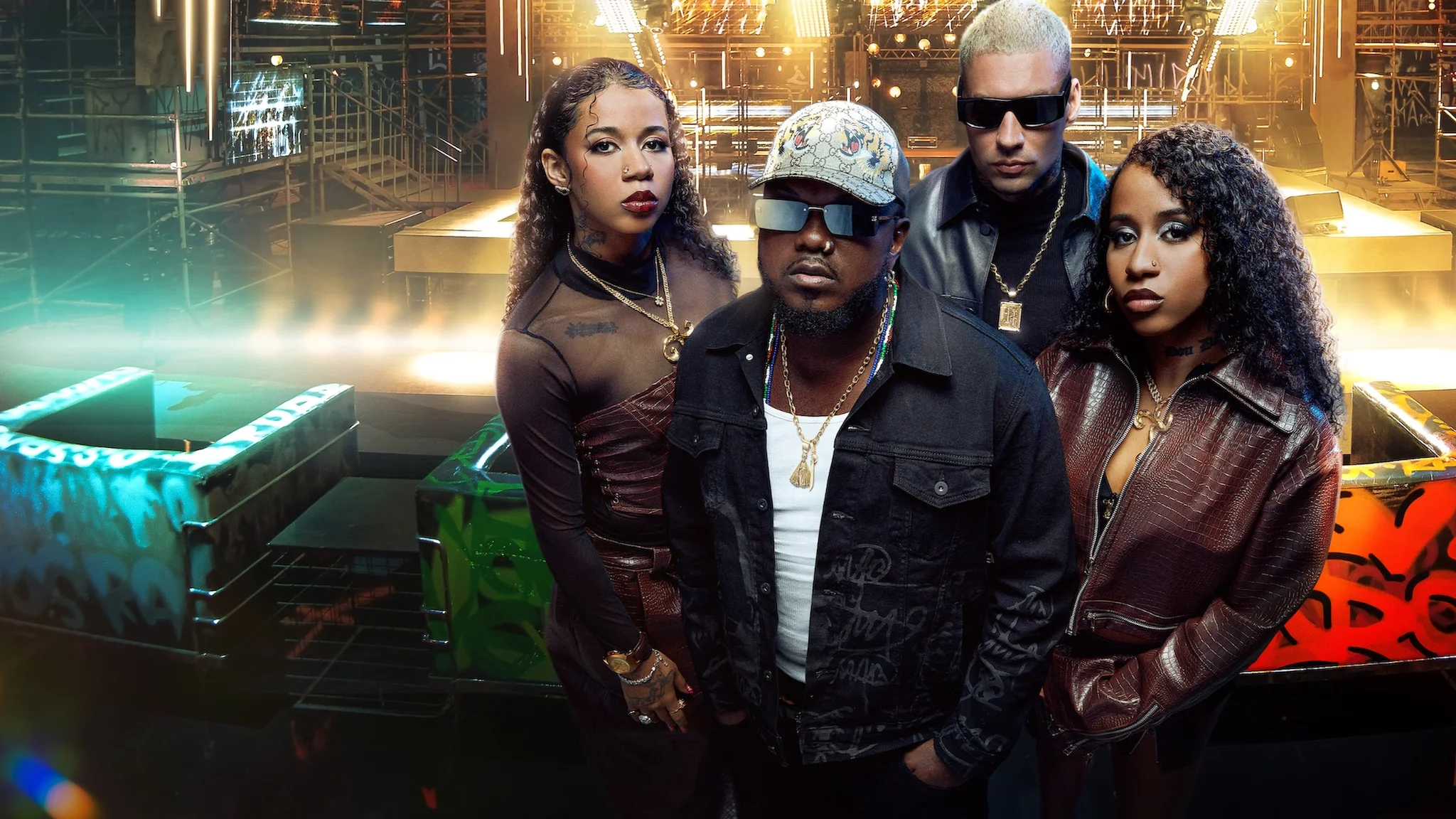
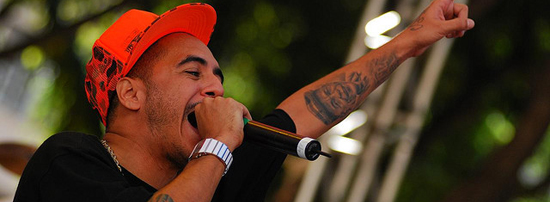
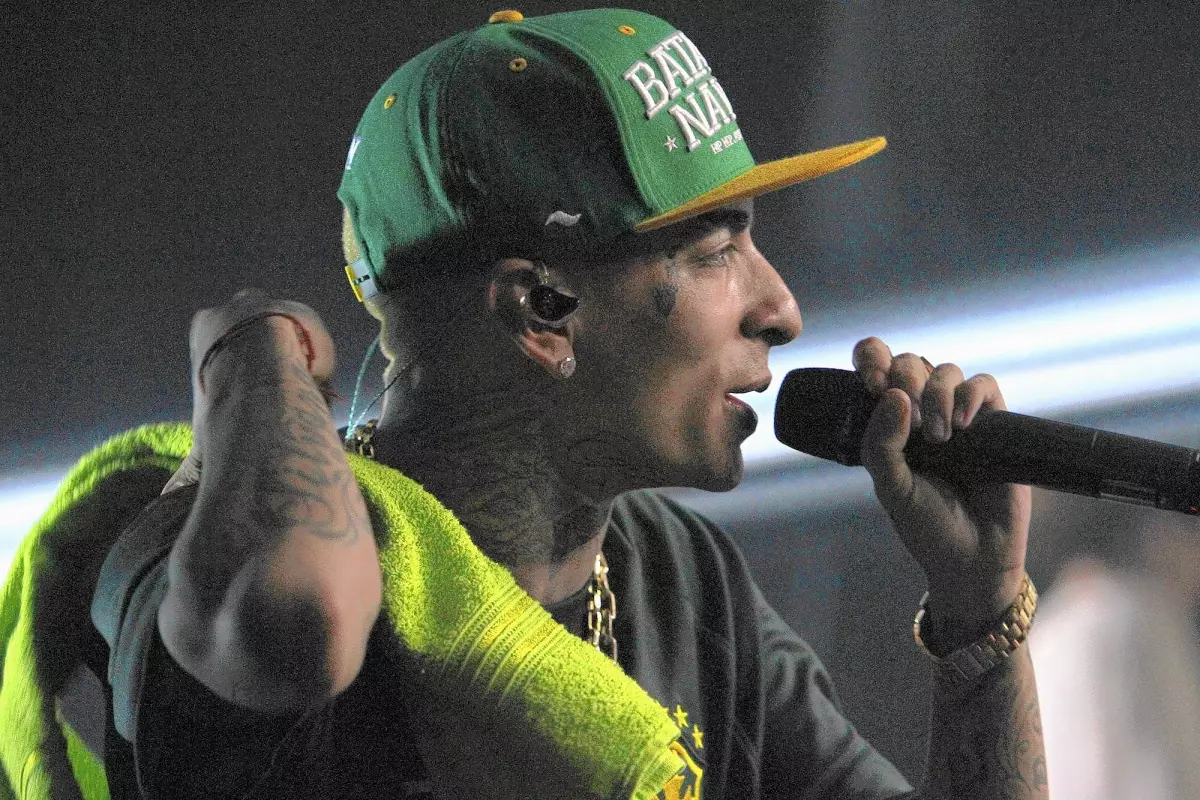
Live performances became the heartbeat of Brazilian hip-hop during the third week of February. Across major cities, shows weren’t just concerts—they were statements of growth, unity, and cultural pride. From intimate venues to packed festival stages, Brazilian rap proved its strongest weapon right now is its connection with the crowd.
BK’ Sets the Standard for Live Rap
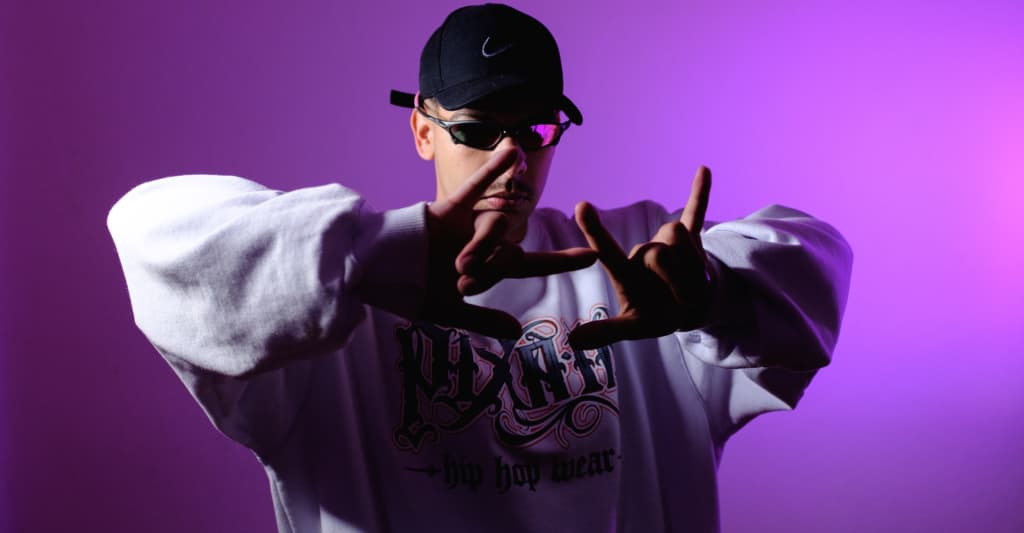
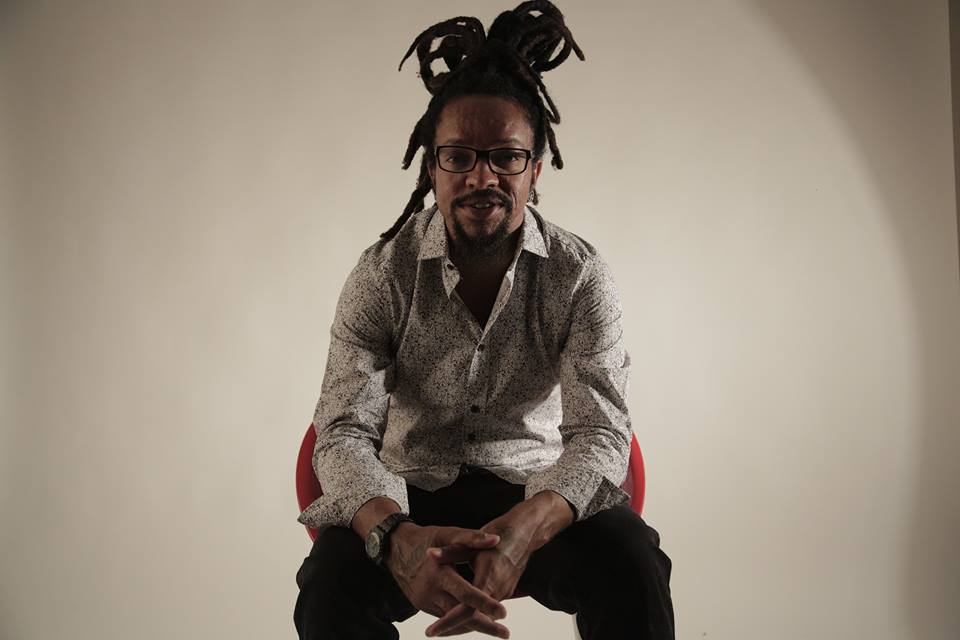
BK’ stood out as one of the most consistent live performers this week. His shows drew heavy attendance, with fans praising his breath control, emotional delivery, and set pacing. BK’s ability to translate studio tracks into powerful live moments reflects a larger trend in Brazil, where audiences now expect performances to feel intentional, not rushed. His shows felt curated, blending older fan-favorites with newer material seamlessly.
Djonga’s Appearances Feel Like Events
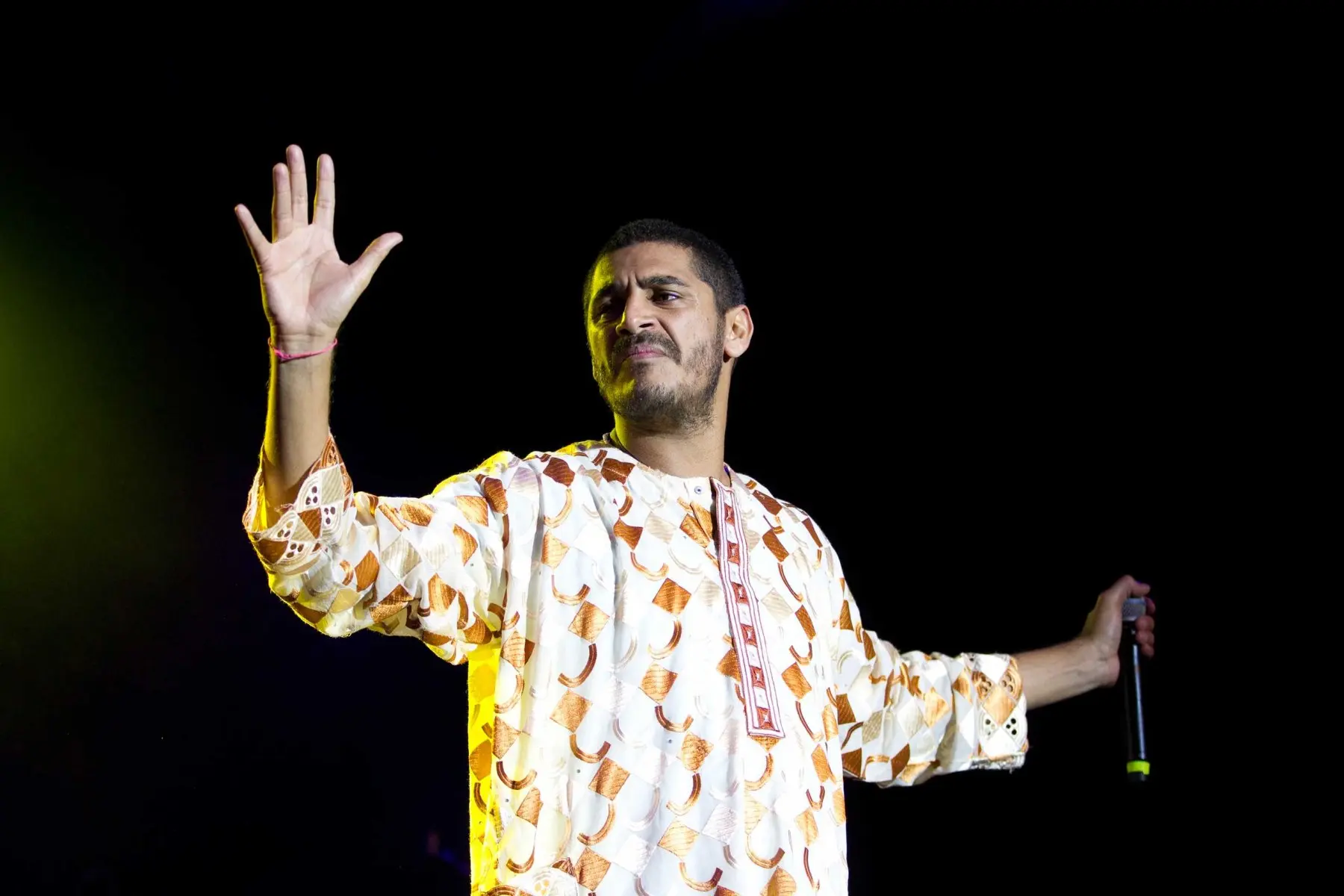
Whenever Djonga touches a stage, it feels bigger than music. Even without announcing a tour, his live appearances sparked conversation online. Clips from performances circulated widely, with fans reacting to his intensity and crowd control. Djonga’s shows continue to blur the line between performance and protest, reinforcing why he remains one of the most respected voices in Brazilian hip-hop.
São Paulo Keeps the Energy High
São Paulo remained a central hub for hip-hop gatherings this week. Multiple independent events featured emerging artists alongside established names, showing how open the ecosystem has become. The city’s crowds were diverse—skaters, creatives, students, and longtime rap fans—all sharing the same space. This mix highlights how Brazilian hip-hop has crossed class and cultural boundaries while staying rooted in the streets.
Tasha & Tracie Redefine Performance Presence
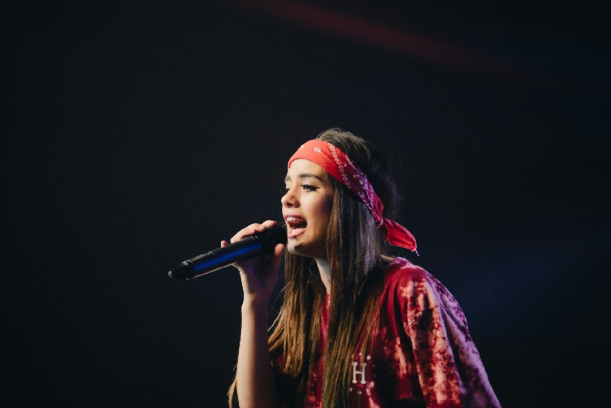
Tasha & Tracie continued proving that live performance isn’t just about vocals. Their appearances combined music, fashion, and confidence, resonating strongly with younger audiences. Their crowd interaction and stage aesthetics reflected how Brazilian hip-hop is embracing visual storytelling as part of the live experience, especially among female-led acts.
Trap Sounds Dominate Crowd Reactions
Trap-heavy sets received some of the loudest responses during the week, with artists like Major RD energizing crowds through bass-driven performances. Mosh pits, call-and-response hooks, and short viral moments became common, showing how trap has reshaped how Brazilian fans engage with live rap. These shows leaned into raw energy rather than perfection—and the crowds loved it.
Independent Events Drive the Culture
One key takeaway from the week was the importance of independent organizers. Many of the most talked-about shows weren’t backed by major sponsors but by local collectives and cultural groups. These events allowed artists to experiment, connect directly with fans, and maintain creative control. This independence is helping Brazilian hip-hop avoid over-commercialization while still growing rapidly.
Final Word
Week three of February proved that Brazilian hip-hop doesn’t just live online—it thrives in real spaces. The live scene is becoming more intentional, more expressive, and more inclusive. As artists continue investing in performance quality and fan experience, Brazil’s hip-hop stage culture is shaping up to be one of the strongest in the global rap landscape.