 brazil hiphop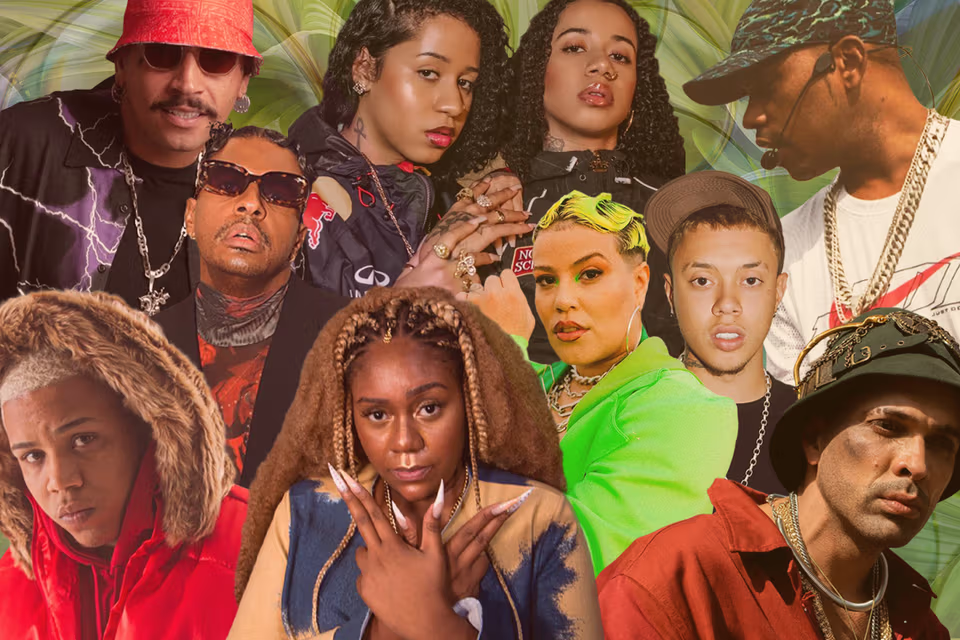
Brazilian hip-hop is entering a powerful new era, and women are at the center of that shift. Female rappers across Brazil are stepping into the spotlight, reshaping the culture with bold creativity, sharp lyricism, and unapologetic confidence. No longer confined to the margins, women in Brazilian hip-hop are now leaders, trendsetters, and voices of a new generation.
Their rise is not just about representation—it’s about redefining what Brazilian hip-hop sounds, looks, and feels like.
Breaking Barriers in a Male-Dominated Scene
For years, Brazilian hip-hop—like much of global rap—was heavily male-dominated. Female artists often faced limited opportunities, stereotypes, and lack of industry support. Despite this, many women persisted, building their careers independently and earning respect through skill and authenticity.
Today, that persistence is paying off. Female rappers are headlining shows, dominating playlists, and commanding large fanbases. Their success proves that talent and vision can overcome structural barriers.
A New Wave of Sound and Style
Brazilian female rappers bring a diverse range of sounds to the scene. Some lean into trap and drill, delivering aggressive flows and bold energy. Others explore boom-bap, alternative hip-hop, and experimental styles that blur genre boundaries.
This sonic diversity is one of their greatest strengths. Rather than following one formula, these artists push creativity forward, introducing fresh perspectives that keep Brazilian hip-hop evolving.
Lyrically, their music often balances personal empowerment with social commentary, touching on identity, gender, love, struggle, and ambition.
Authentic Storytelling Connects With Fans
One reason female rappers are resonating so strongly is authenticity. Many tell stories rooted in real experiences—navigating street life, relationships, industry pressure, and self-worth in a society that often underestimates them.
Their honesty creates deep connections with listeners, especially young women who see their own realities reflected in the music. At the same time, their artistry appeals to broader audiences who value raw, emotional storytelling.
Fashion, Visuals, and Cultural Influence
Brazilian female rappers are also shaping hip-hop aesthetics. Fashion, visuals, and branding play a major role in how they express identity. From bold streetwear to high-fashion influences, their style challenges expectations and sets trends.
Music videos often emphasize confidence, creativity, and independence. These visuals aren’t just promotional tools—they’re cultural statements that influence how hip-hop is perceived in Brazil.
Independence and Creative Control
Many female rappers in Brazil operate independently, choosing creative control over traditional industry paths. Digital platforms allow them to release music, connect with fans, and build careers without waiting for approval from major labels.
This independence has led to more experimental projects and honest expression. It also inspires other women to pursue hip-hop on their own terms, strengthening the overall culture.
Changing the Narrative of Brazilian Hip-Hop
The growing presence of women is changing how Brazilian hip-hop is discussed and understood. The culture is becoming more inclusive, layered, and representative of Brazil’s diverse realities.
Female rappers are not just adding their voices—they are expanding the genre’s emotional and creative range. Their influence is reshaping conversations around gender, power, and identity within hip-hop.
The Road Ahead
The momentum behind Brazilian female rappers continues to grow. As more artists gain recognition and audiences demand diverse voices, their impact will only increase.
This movement marks a defining chapter in Brazilian hip-hop history—one where women are no longer fighting for space, but confidently owning it.
Brazilian hip-hop’s future is louder, bolder, and more inclusive—and women are leading the charge.