 kofit36
The first week of December highlighted a growing trend in Brazilian hip-hop: collaborations that defy expectations. Artists from different styles, neighborhoods, and generations came together, creating music that reflected diversity, experimentation, and the evolving identity of the scene.
One notable trend was trap artists linking with melodic rappers. These collaborations combined aggressive verses with smooth hooks, creating tracks that could appeal to both mainstream listeners and underground heads. The balance between melody and rhythm brought a new
dimension to Brazilian rap, showing that the genre is not limited by traditional boundaries.
Another exciting shift was intercity collaborations. São Paulo rappers paired with Rio artists, while Belo Horizonte MCs teamed up with São Paulo producers. This cross-pollination strengthened the national hip-hop network, encouraging shared styles, slang, and beats. It also exposed audiences to new sounds while keeping the music locally grounded.
On the underground side, collaborations often meant freestyle sessions captured digitally. Young MCs joined forces online or in informal street setups, exchanging bars and experimenting with flows. These tracks, raw and authentic, quickly gained traction on social media, showing that collaboration isn’t just about big-name features—it’s about community.
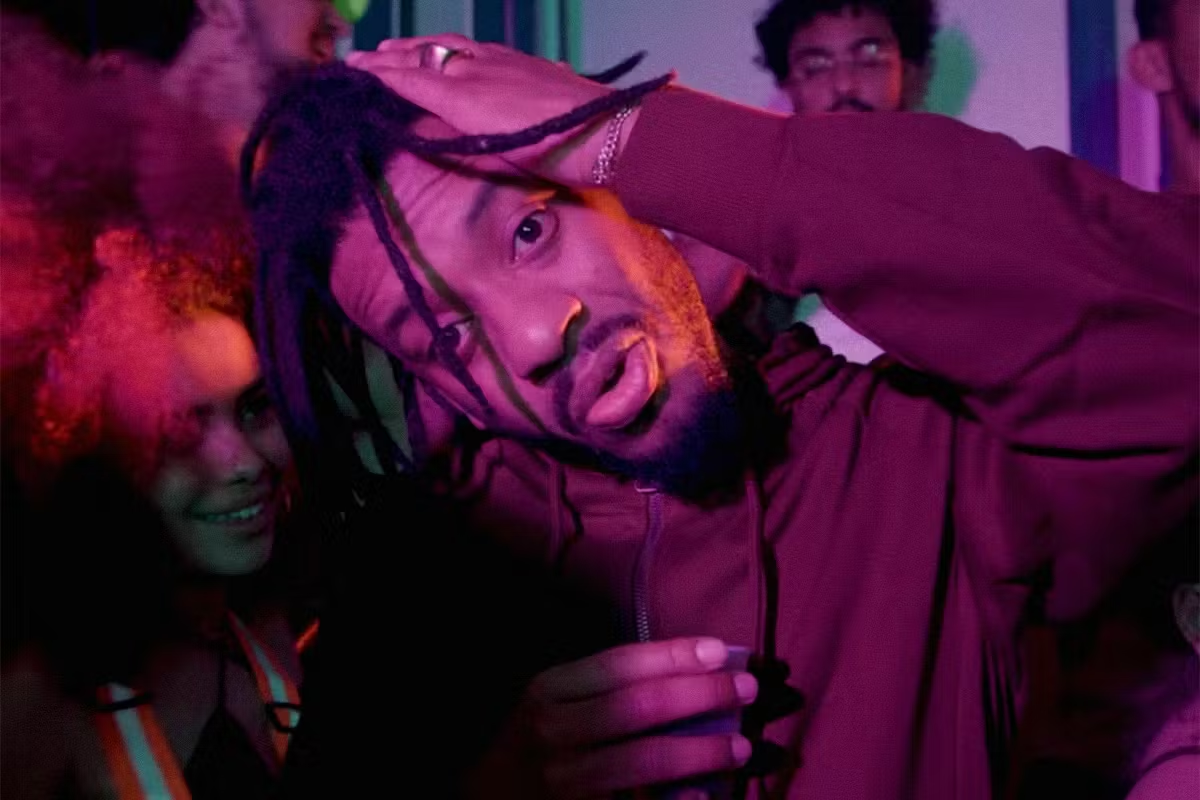
Visuals in December releases also reflected collaboration. Music videos increasingly showcased urban landscapes, studio sessions, and street interactions, highlighting the coming together of different artists and cultural elements. The emphasis was less on glitz and more on authenticity and storytelling.
Culturally, these collaborations matter because they break silos. Brazilian hip-hop has historically been fragmented by style, city, and audience. The first week of December proved that artists are embracing connection over competition. Whether through trap, drill, or melodic rap, collaboration is now a tool for growth and exposure.
Social media amplified this movement. Fans not only streamed the tracks but also created content inspired by the collaborations—dance videos, reaction clips, and lyric breakdowns. The interaction between artists and listeners became part of the creative process itself, turning collaborations into communal experiences.
These partnerships also hinted at future trends for 2026. Expect more genre blending, more intercity features, and continued experimentation. Brazilian hip-hop is not just producing music; it’s shaping culture, identity, and innovation through collaboration.
Early December showed that Brazilian rap thrives when voices meet. The first week wasn’t just about releases—it was about connection, creativity, and evolution, proving that the scene continues to expand in sound, influence, and vision.

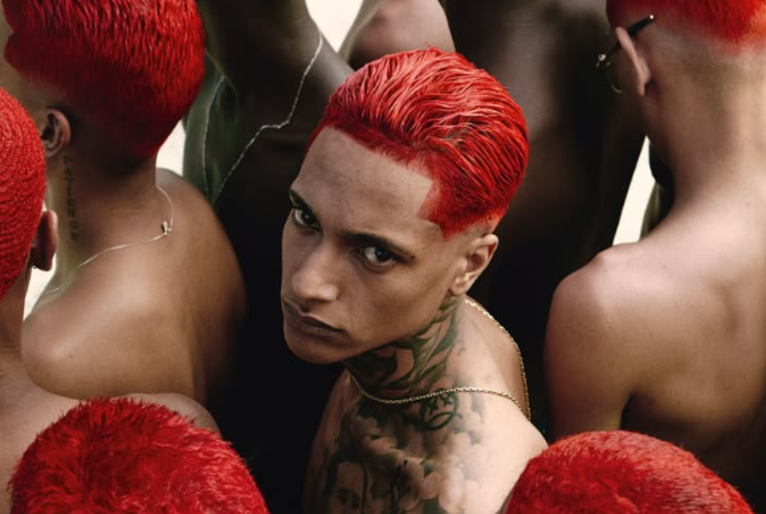
 brazil hiphop