 brazil hiphop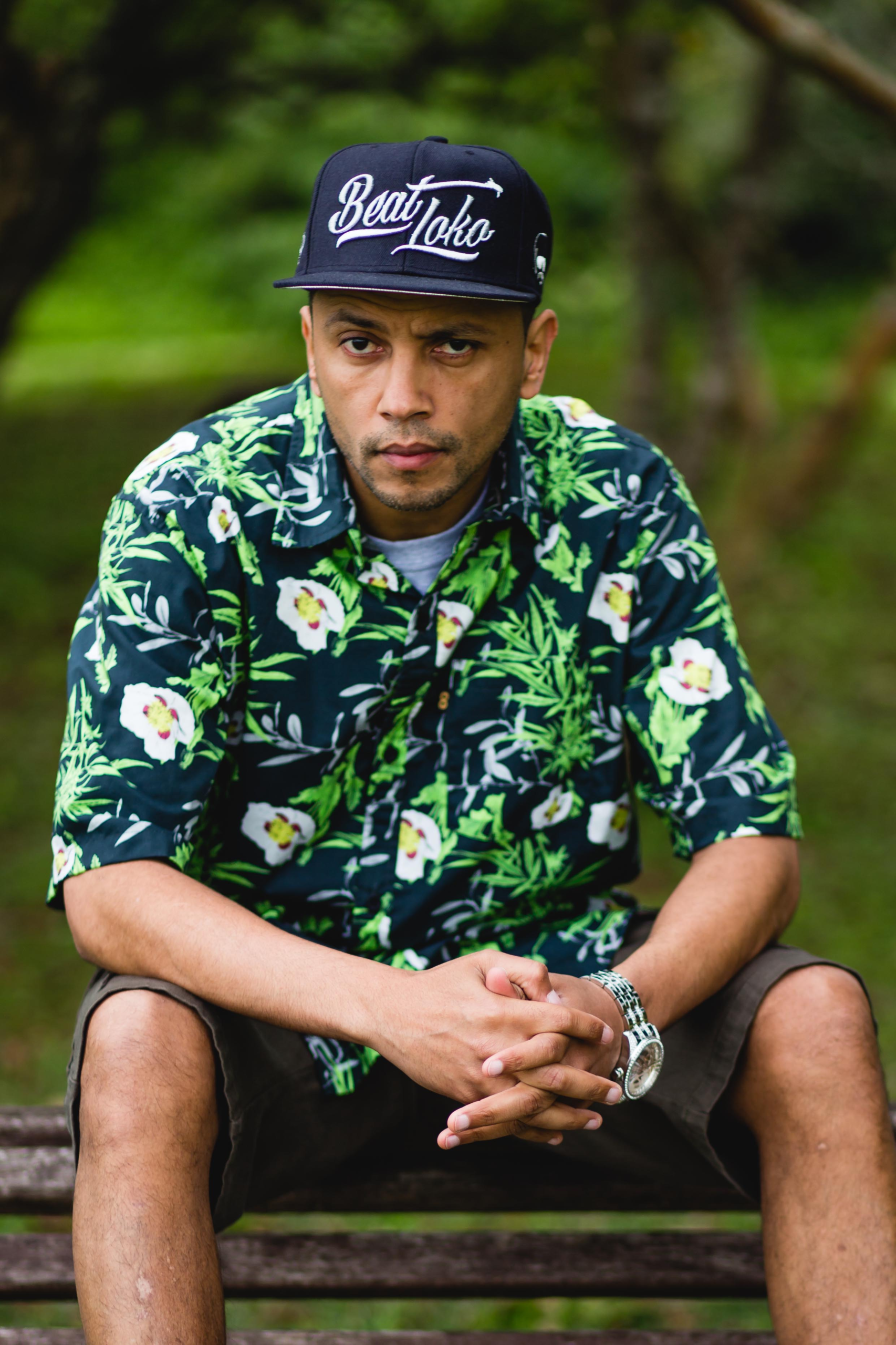
Brazilian Hip-Hop in Late January 2026: Underground Energy, New Voices, and Global Momentum
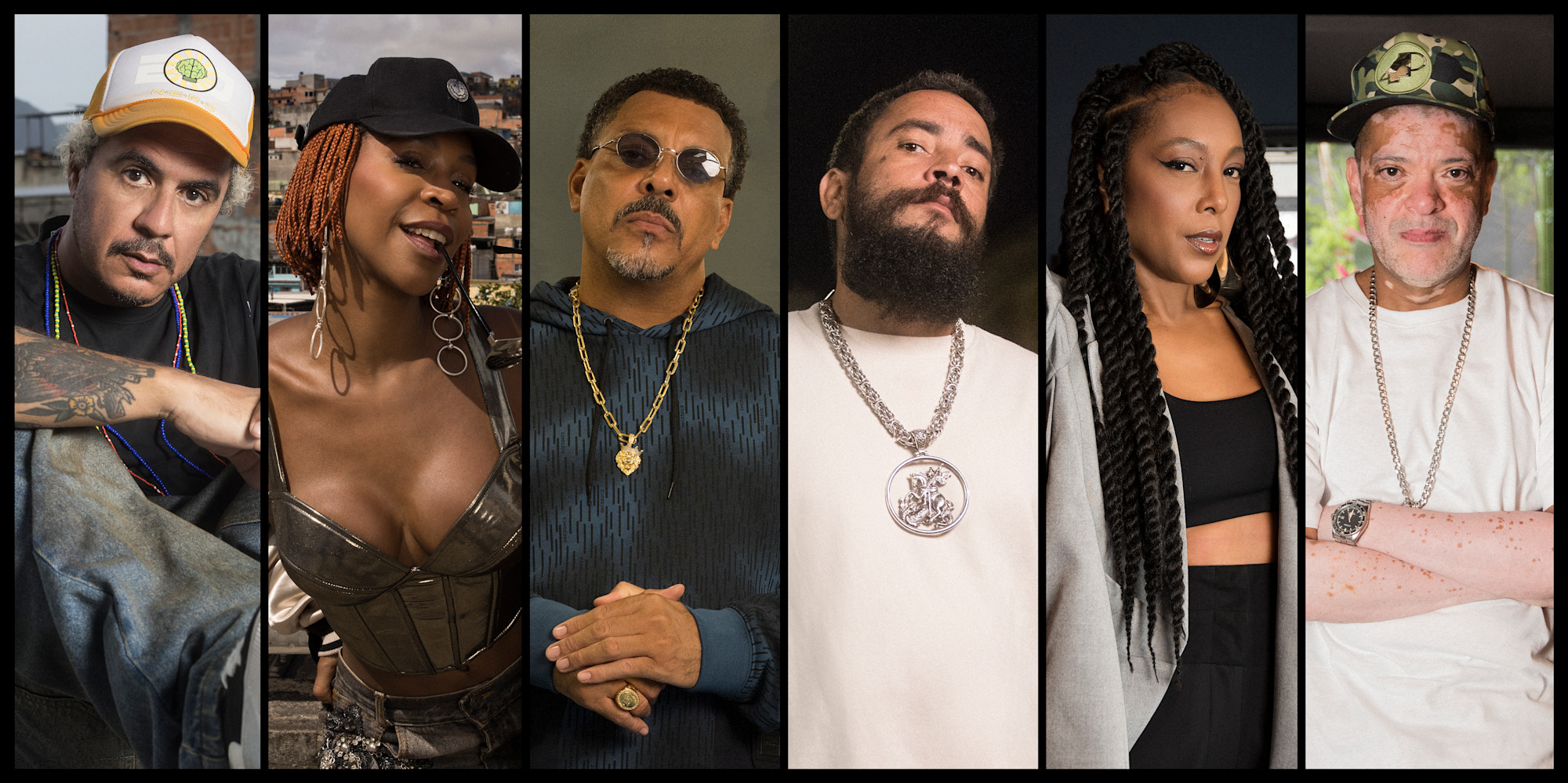
Brazilian hip-hop closed out the second half of January 2026 with undeniable momentum. From São Paulo to Rio de Janeiro, from underground cyphers to global festival stages, the culture continued to evolve—balancing raw street energy with growing international visibility. While policy conversations elevated hip-hop into national education debates, the streets and studios remained just as active, pushing sound, style, and identity forward.
This period showed one clear truth: Brazilian hip-hop is no longer asking for space—it’s taking it.
The Streets Still Lead the Sound
Despite increased institutional recognition, Brazil’s hip-hop foundation remains firmly rooted in the streets. Freestyle battles, community cyphers, and independent showcases continued to dominate urban spaces in late January, especially in São Paulo’s outskirts and Rio’s favelas.
These gatherings are more than performances—they are cultural incubators. Young MCs sharpen their skills in real time, battling not just opponents but social realities. Themes of inequality, police violence, survival, ambition, and Black identity continue to dominate lyrics, keeping Brazilian hip-hop socially grounded and emotionally raw.
What stands out in 2026 is how polished the underground has become. Independent artists now arrive with strong branding, clean visuals, and production quality that rivals major labels—without losing authenticity.
New-Generation Artists Rising Fast
Late January saw increased attention around a new wave of Brazilian rappers blending classic hip-hop foundations with trap, drill, and regional influences.
This generation is:
- Sonically diverse
- Digitally native
- Independent-first
- Globally minded
Many artists are bypassing traditional label routes, choosing streaming platforms, short-form video, and direct fan engagement. Social media clips from freestyle sessions, studio snippets, and live shows gained traction during this period, pushing unknown names into national conversations almost overnight.
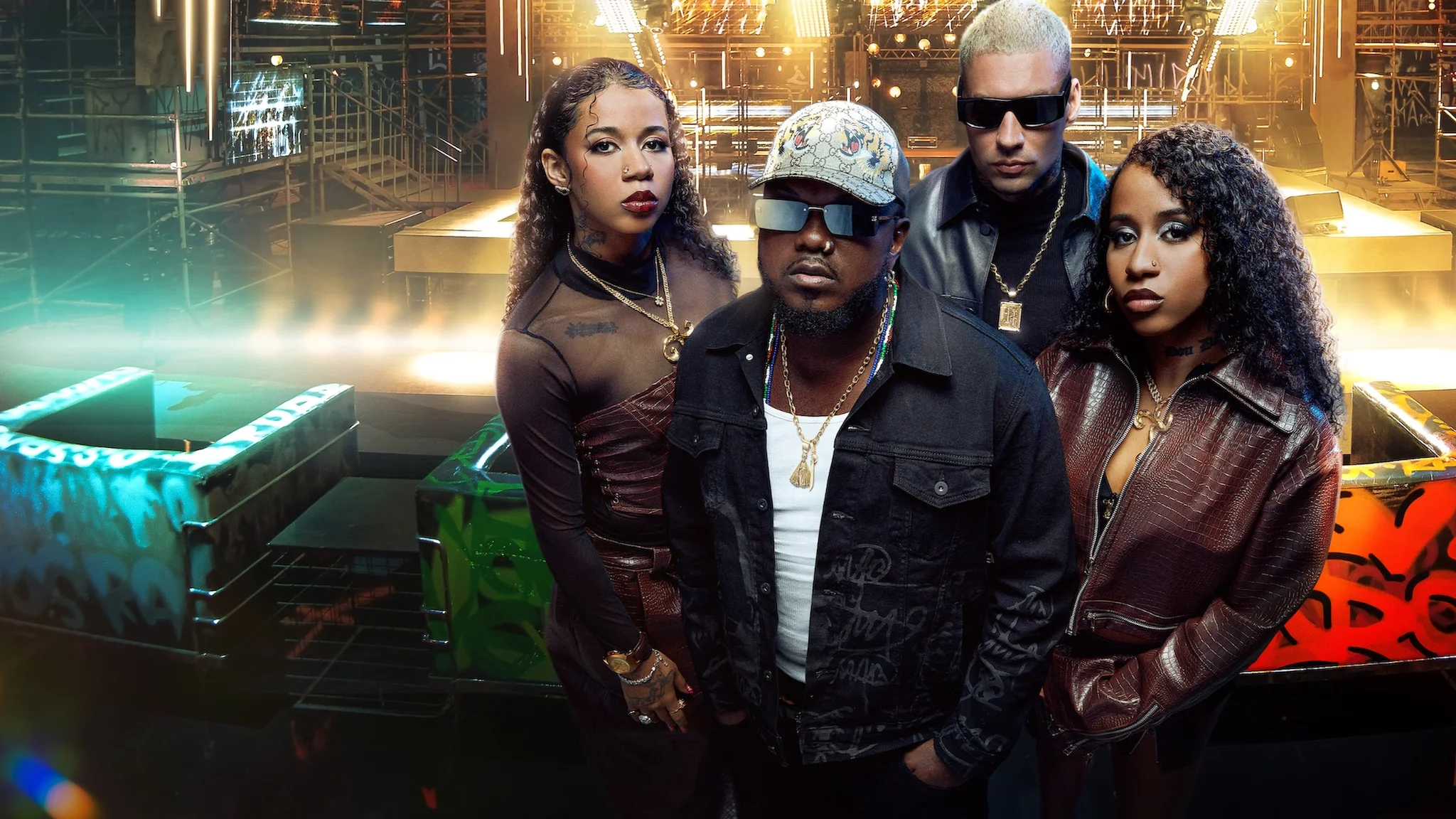
Female MCs also continued to gain visibility, challenging male-dominated spaces with sharp lyricism, political clarity, and bold aesthetics. Their presence signals a scene that’s expanding—not fragmenting.
Brazilian Hip-Hop and Global Culture
One of the biggest shifts in late January 2026 was Brazil’s growing cultural export power. Brazilian hip-hop is no longer confined to Portuguese-speaking audiences.
International listeners are increasingly drawn to:
- Brazilian rhythm patterns
- Afro-diasporic storytelling
- Unique slang and flow structures
- Genre-blending production
Brazilian DJs and producers are also playing a major role, merging hip-hop with funk, electronic textures, and experimental bass. This fusion sound is being picked up at global festivals and club scenes, positioning Brazil as a trend-setter rather than a follower.
The global interest doesn’t dilute the culture—it amplifies it.
Live Shows and Community Events
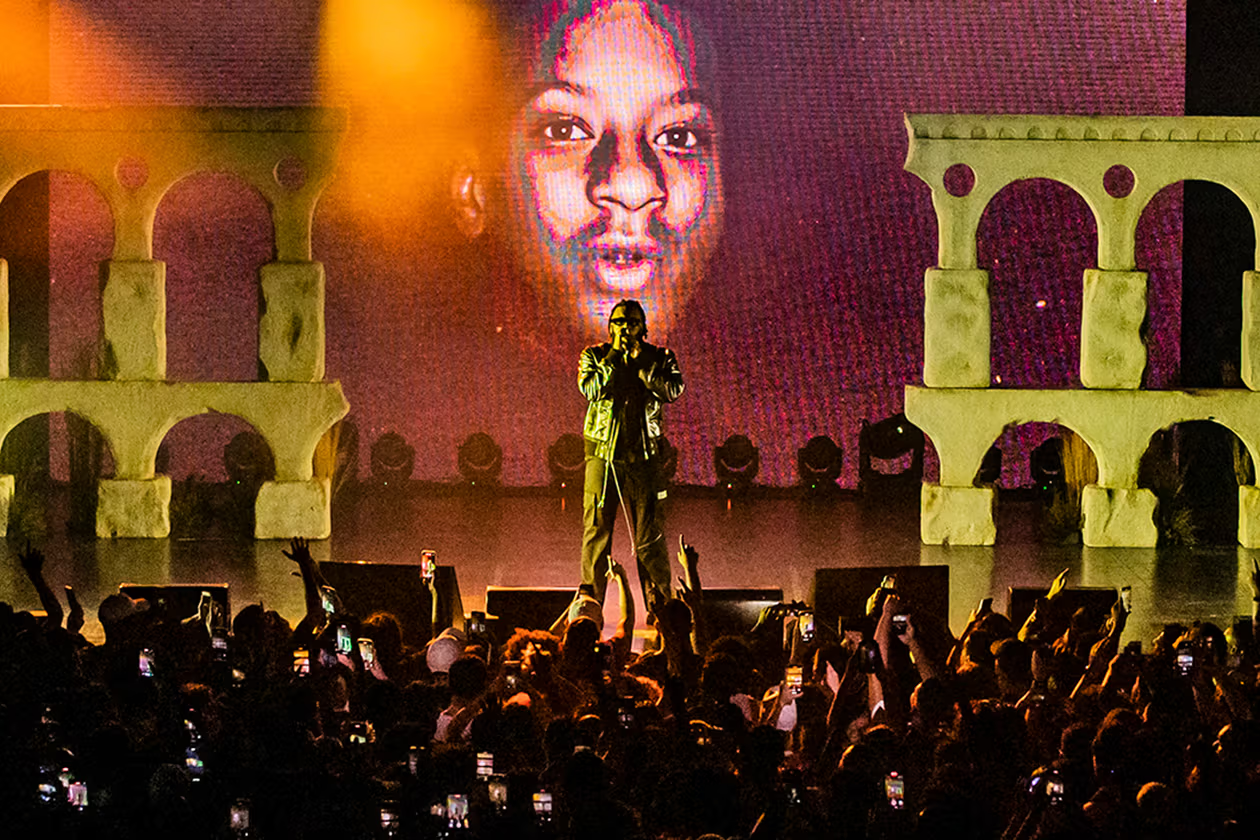
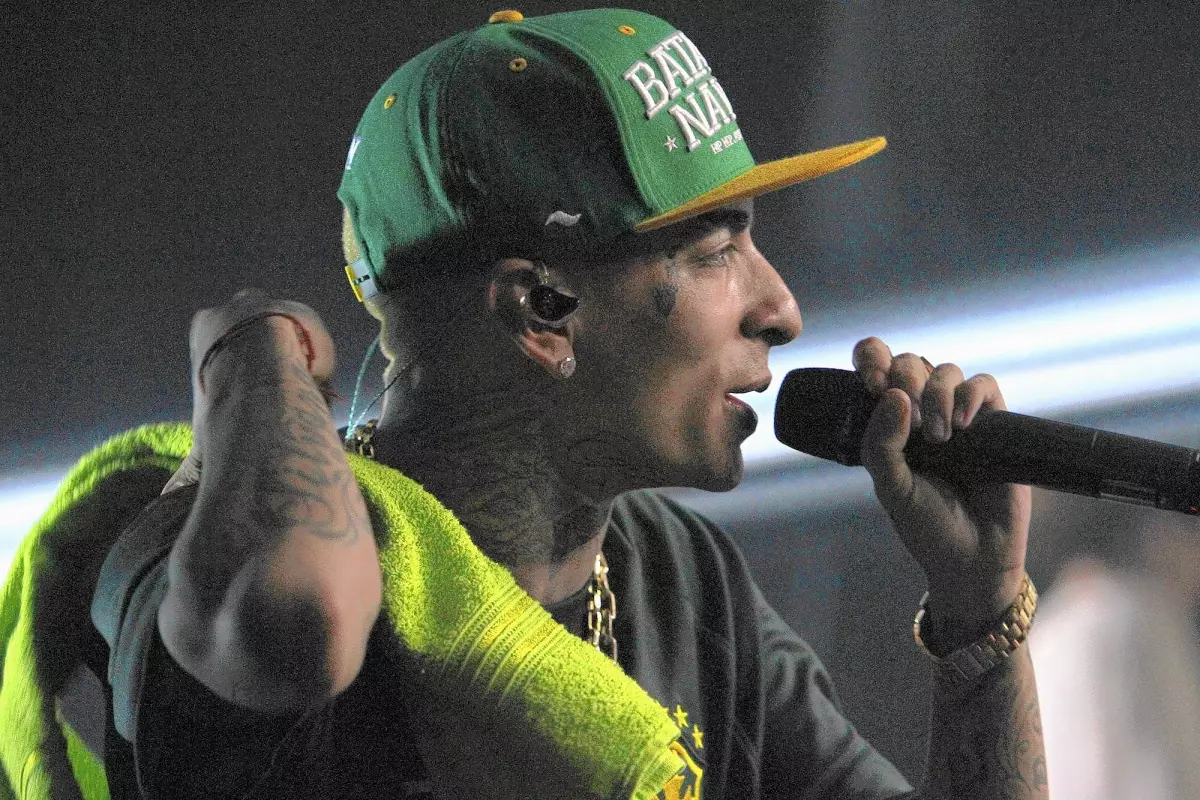
From January 15 onward, live hip-hop events continued to surface across major cities. Small venues, cultural centers, and street-level stages hosted rap showcases, album listening sessions, and cypher-based performances.
These events serve three purposes:
- Artist development – sharpening stage presence and crowd control
- Community building – connecting fans, activists, and creatives
- Cultural preservation – keeping hip-hop rooted in collective experience
Unlike commercial concerts, these shows prioritize energy over polish and connection over clout. That balance remains one of Brazil hip-hop’s strongest assets.
Fashion, Graffiti, and Visual Identity
Hip-hop in Brazil is not just about music—it’s a full cultural ecosystem. Late January saw continued influence from street fashion and graffiti culture, especially among younger creatives.
Oversized fits, regional symbolism, Afro-Brazilian references, and DIY customization dominated visual identity. Graffiti artists continued to use walls as political canvases, responding to social issues in real time while reinforcing hip-hop’s role as a public voice.
Visual storytelling is becoming just as important as lyrics.
Streaming Era Without Compromise
Brazilian hip-hop’s relationship with streaming platforms continues to evolve. While playlists and algorithms offer visibility, many artists remain cautious about sacrificing message for numbers.
The current wave balances:
- Catchy hooks with conscious bars
- Viral clips with full-length projects
- Global appeal with local truth
This strategy is paying off. Artists are growing audiences steadily rather than burning out fast—an approach that favors longevity over momentary hype.
Cultural Identity at the Center
A defining theme of late January 2026 is identity reclamation. Brazilian hip-hop remains deeply tied to Black history, African roots, and peripheral experiences.
Lyrics increasingly explore:
- Ancestry
- Spirituality
- Mental health
- Systemic inequality
- Cultural pride
This introspective shift doesn’t weaken the music—it strengthens it. The audience is listening more closely, and artists are responding with depth.
What This Moment Means for Brazilian Hip-Hop
The second half of January shows Brazilian hip-hop standing at a powerful intersection:
- Underground authenticity
- Policy-level recognition
- Global cultural influence
Few scenes manage to hold all three at once. Brazil is doing it without losing its core.
This period may not be defined by one viral hit or superstar moment, but by collective growth—a scene expanding in multiple directions while staying rooted in its origins.
Looking Ahead
As 2026 continues, expect:
- Bigger international collaborations
- Stronger independent collectives
- More women leading conversations
- Deeper political and cultural narratives
- Continued fusion of hip-hop with Brazilian rhythms
Brazilian hip-hop is not chasing trends—it’s shaping them.
Conclusion: Brazil’s Voice Is Getting Louder
From street cyphers to global stages, Brazilian hip-hop in late January 2026 proves one thing: the culture is alive, organized, and evolving on its own terms. It speaks the language of the streets while commanding international attention—and it shows no signs of slowing down.
Hip-hop in Brazil isn’t emerging anymore.
It has arrived—and it’s building something lasting.

 kofit36