 brazil hiphop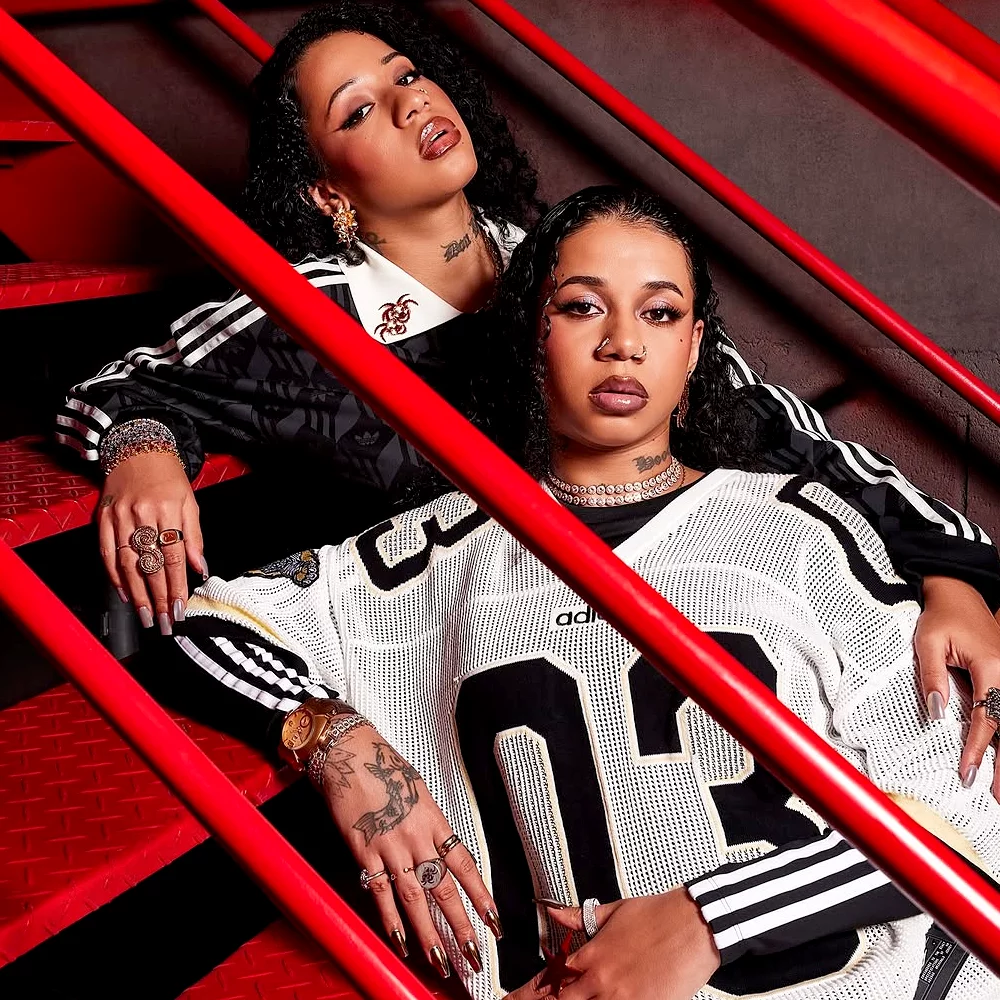
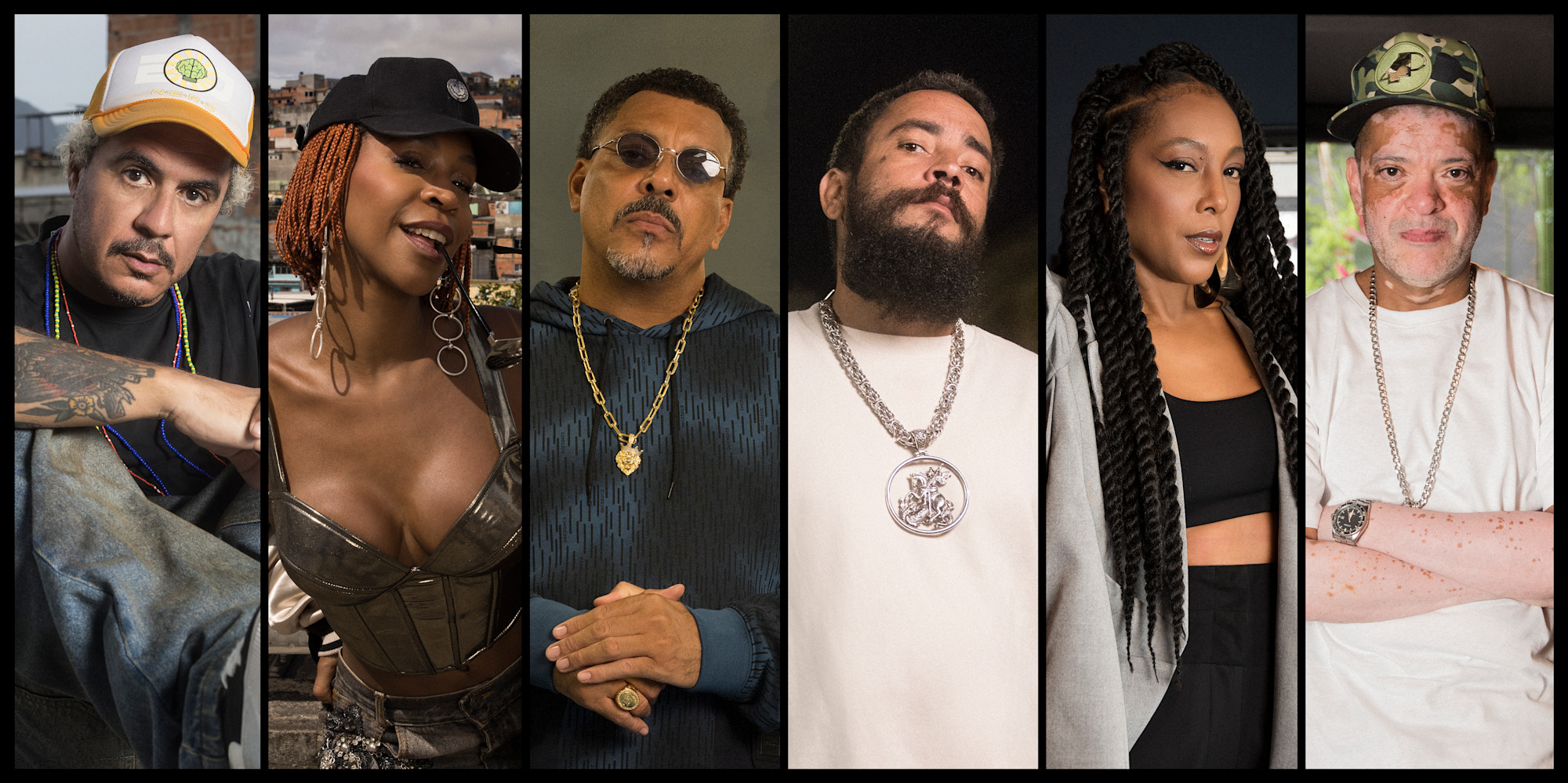
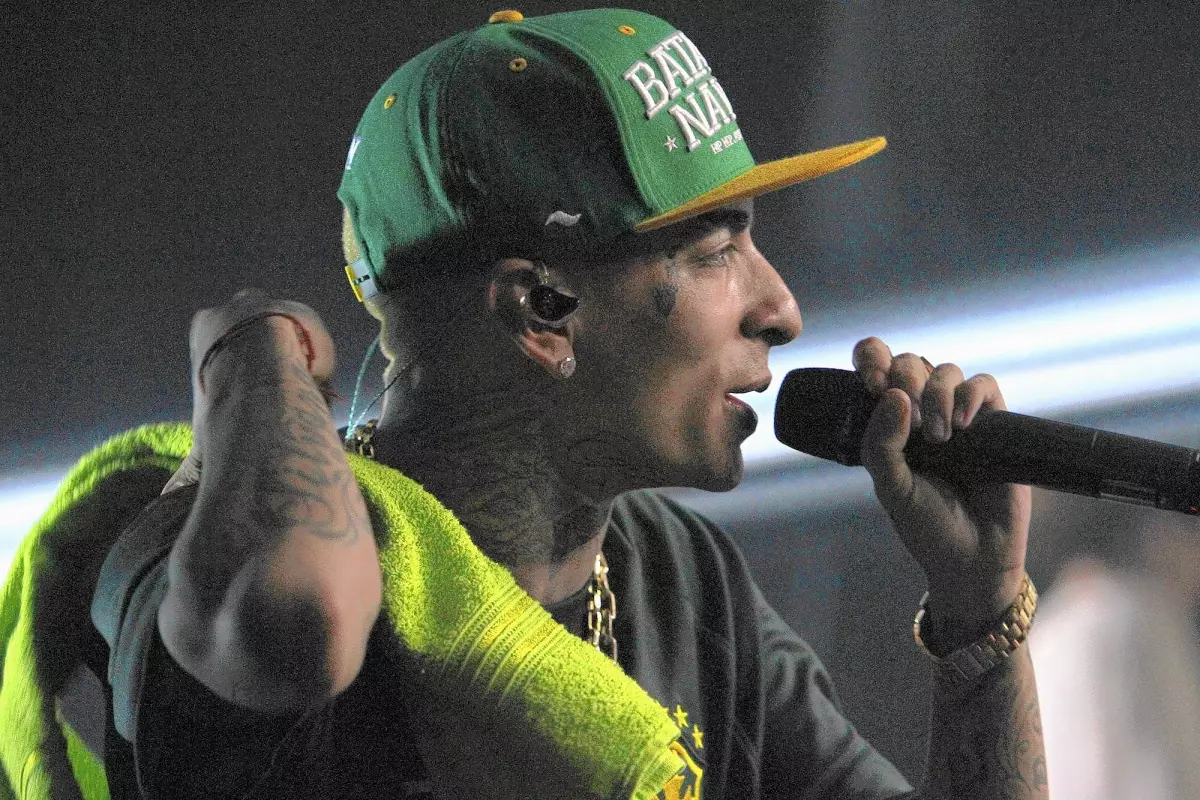
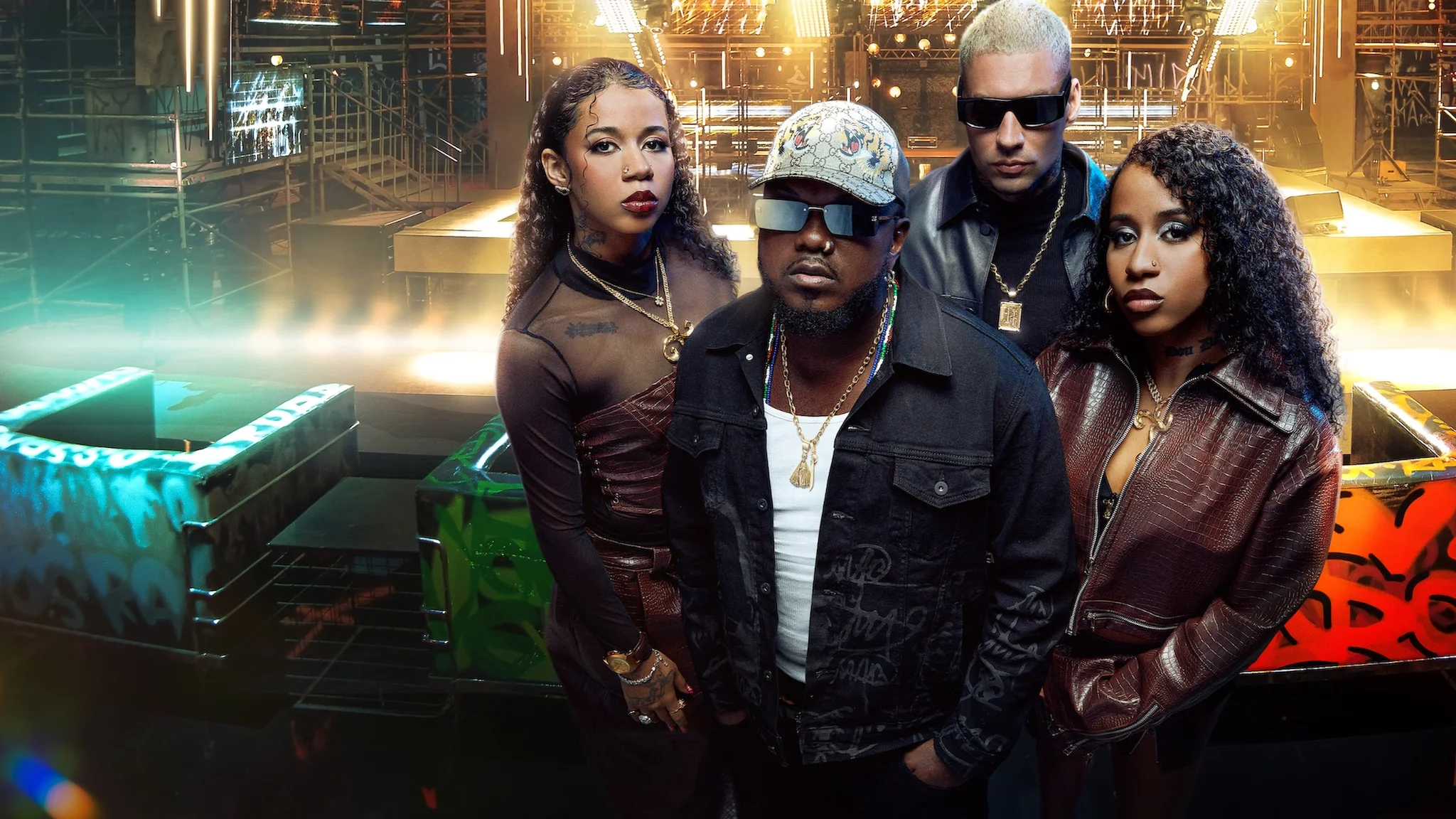
Brazilian hip-hop is experiencing a powerful shift. While trap stars continue to dominate playlists and charts, a growing underground movement is quietly reshaping the culture from the inside out. Independent rappers, battle MCs, and experimental producers are gaining serious attention, proving that Brazil’s rap scene is deeper than just viral hits.
This moment feels like a turning point—where lyricism, identity, and independence are colliding with mainstream visibility.
Freestyle Battles Keep Brazil’s Rap Roots Alive
Freestyle battles remain the backbone of Brazilian hip-hop culture. Across cities like São Paulo, Brasília, and Belo Horizonte, weekly rap battles continue to draw crowds and online viewers.
These battles are more than entertainment. They serve as training grounds for lyricism, confidence, and storytelling. Many of today’s respected rappers sharpened their skills in these spaces before stepping into studios or streaming success.
What makes Brazil’s battle scene special is its community energy. Rappers aren’t just competing—they’re representing neighborhoods, experiences, and social realities that resonate deeply with audiences.
Independent Artists Thrive Without Major Labels
One of the strongest trends in Brazilian hip-hop right now is independence. More artists are choosing to release music without major labels, using platforms like YouTube, Spotify, and social media to build their own fanbases.
This freedom allows artists to stay authentic. Instead of chasing radio-friendly formulas, many focus on honest storytelling, regional slang, and experimental sounds. Fans are responding positively, showing strong support for artists who keep it real.
The success of independent rappers is also inspiring younger artists to believe they can succeed on their own terms.
Regional Sounds Shape a Diverse Hip-Hop Identity
Brazilian hip-hop doesn’t sound the same everywhere—and that’s its strength. Each region brings something different to the culture.
São Paulo leans toward gritty trap and street realism. Rio de Janeiro blends rap with funk and nightlife energy. Brasília’s scene is known for sharp lyricism and political awareness. Meanwhile, artists from the North and Northeast are introducing regional rhythms and accents that expand the genre’s sound palette.
This diversity ensures Brazilian hip-hop never feels repetitive. It’s constantly evolving, reflecting the country’s cultural richness.
Visuals Play a Bigger Role Than Ever
Music videos and visuals have become essential tools for Brazilian rappers. Strong visuals help artists stand out in a crowded digital space, especially on platforms like YouTube, Instagram, and TikTok.
Many underground artists are using creative storytelling, fashion, and street imagery to elevate their brand. Even low-budget videos often feel powerful because they capture real environments and real emotions.
This focus on visuals is helping Brazilian hip-hop compete globally, where image and storytelling matter as much as sound.
Hip-Hop as Social Commentary
Social commentary remains a defining element of Brazilian rap. Many artists use their music to talk about inequality, police violence, poverty, and survival in marginalized communities.
Rather than preaching, they tell personal stories—making social issues feel human and relatable. This honesty is a major reason fans stay loyal to Brazilian hip-hop, even as trends change.
In a country with deep social contrasts, hip-hop continues to be one of the most honest mirrors of reality.
Growing International Interest
Brazil’s underground hip-hop is starting to attract international listeners. Global audiences are drawn to the language, emotion, and unique production styles coming out of Brazil.
As playlists, reaction videos, and social media clips spread worldwide, Brazilian rappers are slowly breaking language barriers. The music’s energy and authenticity speak louder than translation.
This global curiosity suggests Brazilian hip-hop’s next chapter may extend far beyond national borders.
The Road Ahead
Brazilian hip-hop is at a powerful crossroads. The underground is no longer hidden, and the mainstream is becoming more open to new voices and sounds.
As independent artists continue to rise and regional styles gain recognition, the culture grows stronger—not diluted. Brazil isn’t just following global hip-hop trends; it’s shaping its own future.
For listeners paying attention, this era will be remembered as the moment Brazilian hip-hop truly expanded its identity.