 brazil hiphop
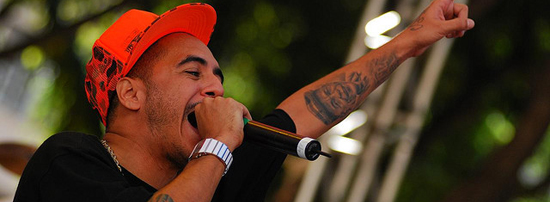
Brazilian trap has fully cemented itself as the driving force behind the country’s hip-hop evolution. What started as an underground movement has grown into a dominant sound shaping charts, fashion, and youth culture across Brazil. Today, trap isn’t just a subgenre—it’s the heartbeat of modern Brazilian rap.
From heavy 808s to melodic hooks and raw street narratives, Brazilian trap reflects a new generation that blends ambition, struggle, and digital influence.
Trap’s Rise From the Streets to the Charts
The success of Brazilian trap didn’t happen overnight. Early artists laid the foundation by adapting Atlanta-inspired production to Portuguese lyricism and local realities. Over time, the sound evolved, becoming more polished while staying rooted in street culture.
Now, trap tracks regularly dominate streaming platforms in Brazil. These songs connect deeply with listeners because they speak honestly about hustle, survival, and success in environments many fans recognize.
This chart dominance shows how Brazilian hip-hop has shifted toward a sound that feels both global and deeply local.
Fashion and Lifestyle Influence
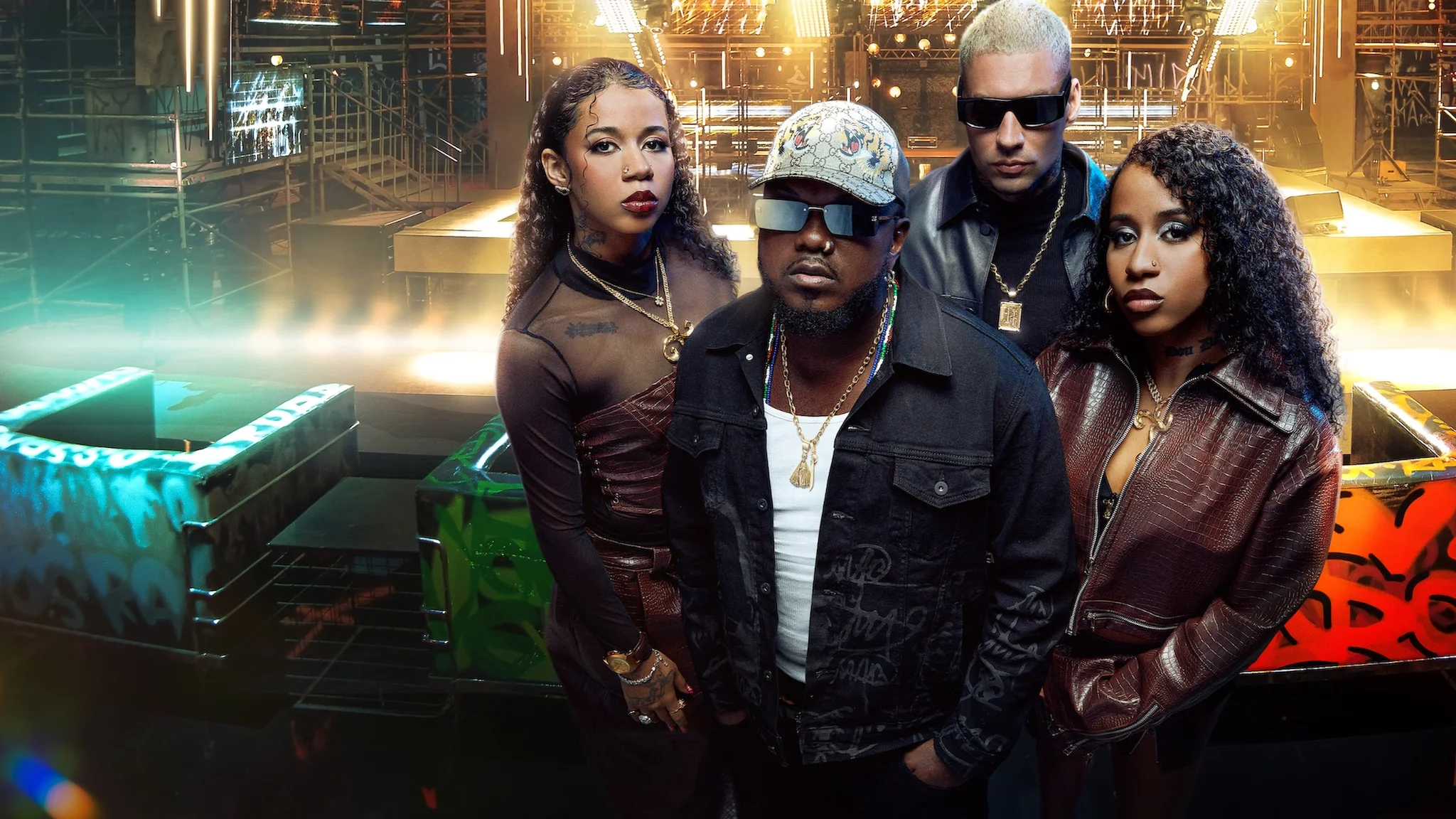
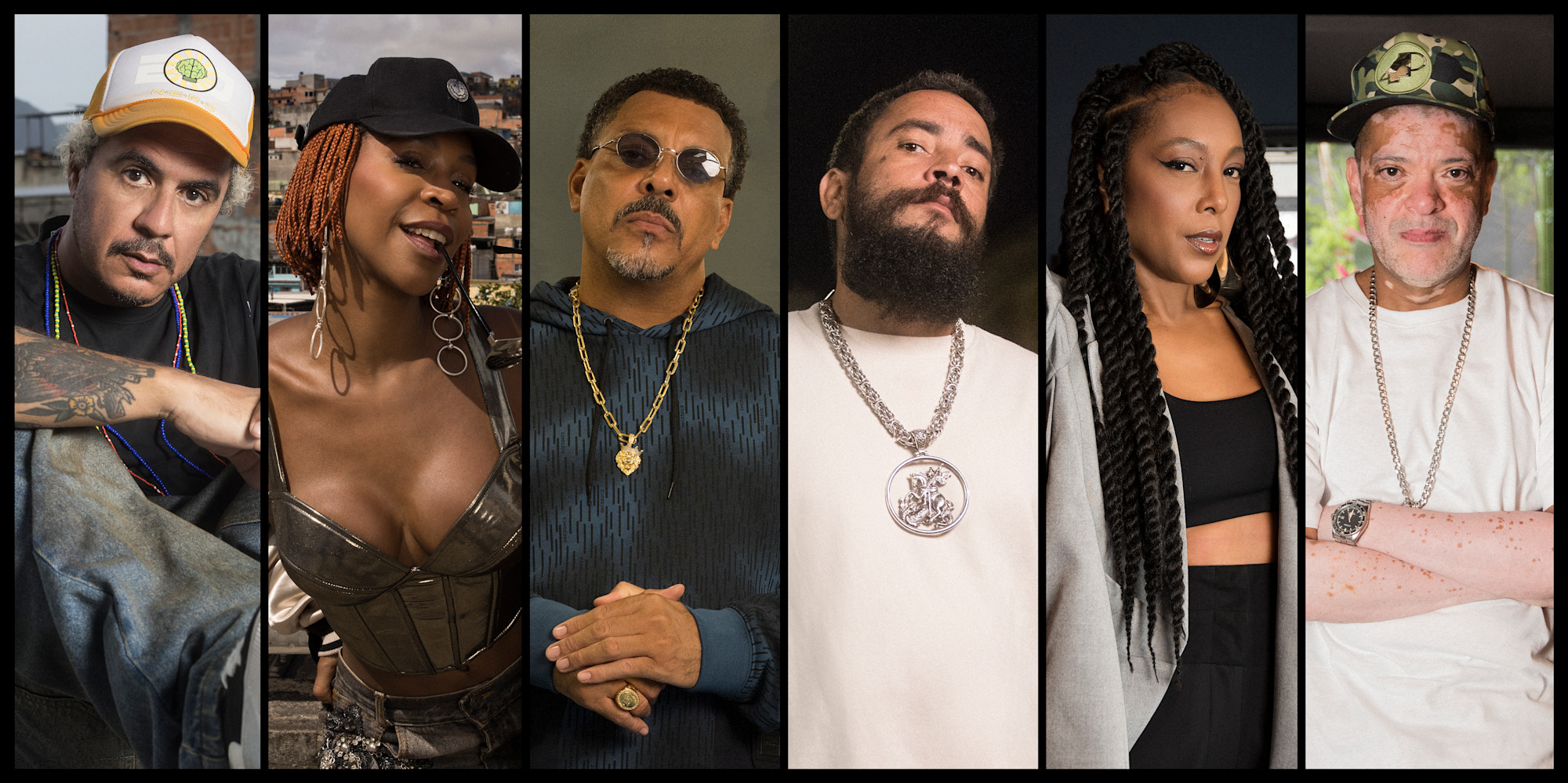
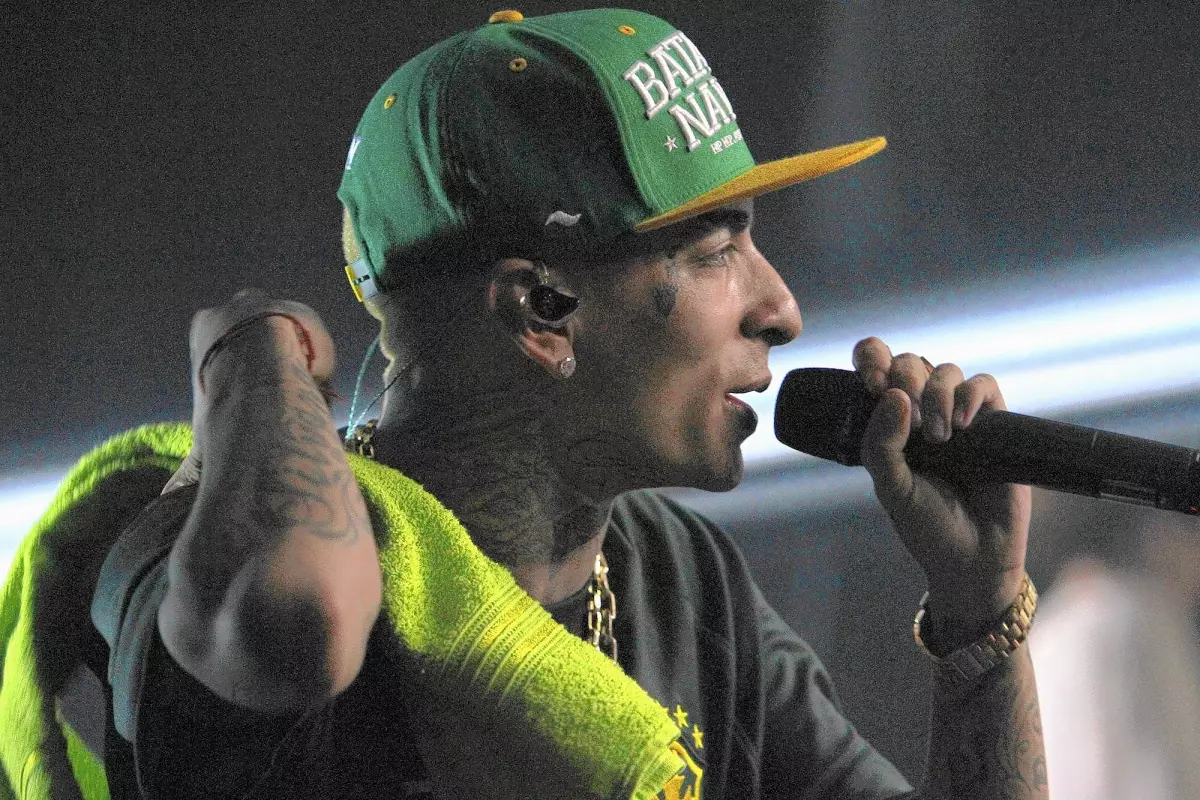
Brazilian trap culture goes beyond music. Fashion plays a major role in how artists express identity and status. Designer brands, streetwear, bold jewelry, and distinct hairstyles have become visual trademarks of the scene.
Music videos often double as fashion statements, influencing how fans dress and present themselves. Social media has amplified this effect, allowing trap artists to shape trends instantly across cities and regions.
This lifestyle element is one reason trap resonates so strongly with young audiences—it represents aspiration as much as sound.
Lyrics Reflect a New Generation
While earlier eras of Brazilian hip-hop focused heavily on protest and social critique, trap introduces a different perspective. Many artists focus on personal success, ambition, loyalty, and the consequences of street life.
That doesn’t mean social reality is ignored. Instead, it’s woven subtly into stories of growth and escape. This balance allows trap artists to speak honestly without sounding preachy, making their music more accessible to wider audiences.
Producers Drive the Movement
Producers play a crucial role in Brazil’s trap dominance. Innovative beats, experimental melodies, and high-quality mixing have helped Brazilian trap compete internationally.
Many producers are now recognized as artists in their own right, collaborating across regions and influencing the sound’s direction. Their creativity ensures Brazilian trap never feels stagnant.
Criticism and Cultural Debate
As trap grows, it also faces criticism. Some fans argue it overshadows lyrical rap and conscious hip-hop. Others feel the genre glamorizes excess.
Despite these debates, trap’s popularity continues to rise. Rather than replacing traditional hip-hop, it’s expanding the culture—bringing new listeners into the scene who later explore deeper layers of Brazilian rap.
International Recognition Grows
Brazilian trap is increasingly catching global attention. International listeners are drawn to the language, energy, and unique rhythms that separate Brazil from other hip-hop markets.
Collaborations, playlist placements, and viral moments are slowly pushing Brazilian trap beyond borders, hinting at even bigger opportunities ahead.
The Future of Brazilian Trap
Brazilian trap shows no signs of slowing down. As artists experiment with new sounds and producers push boundaries, the genre continues to evolve.
More importantly, trap has opened doors. It’s given Brazilian hip-hop a modern, global-facing identity while keeping its cultural roots intact.
This era will likely be remembered as the moment Brazilian hip-hop fully embraced the future.