 kofit36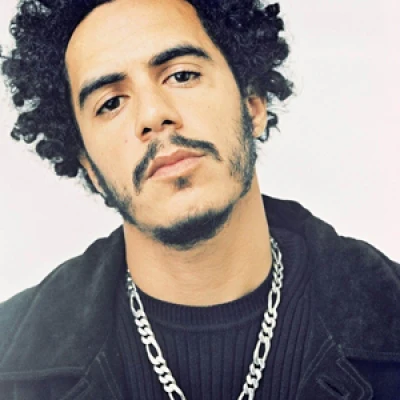
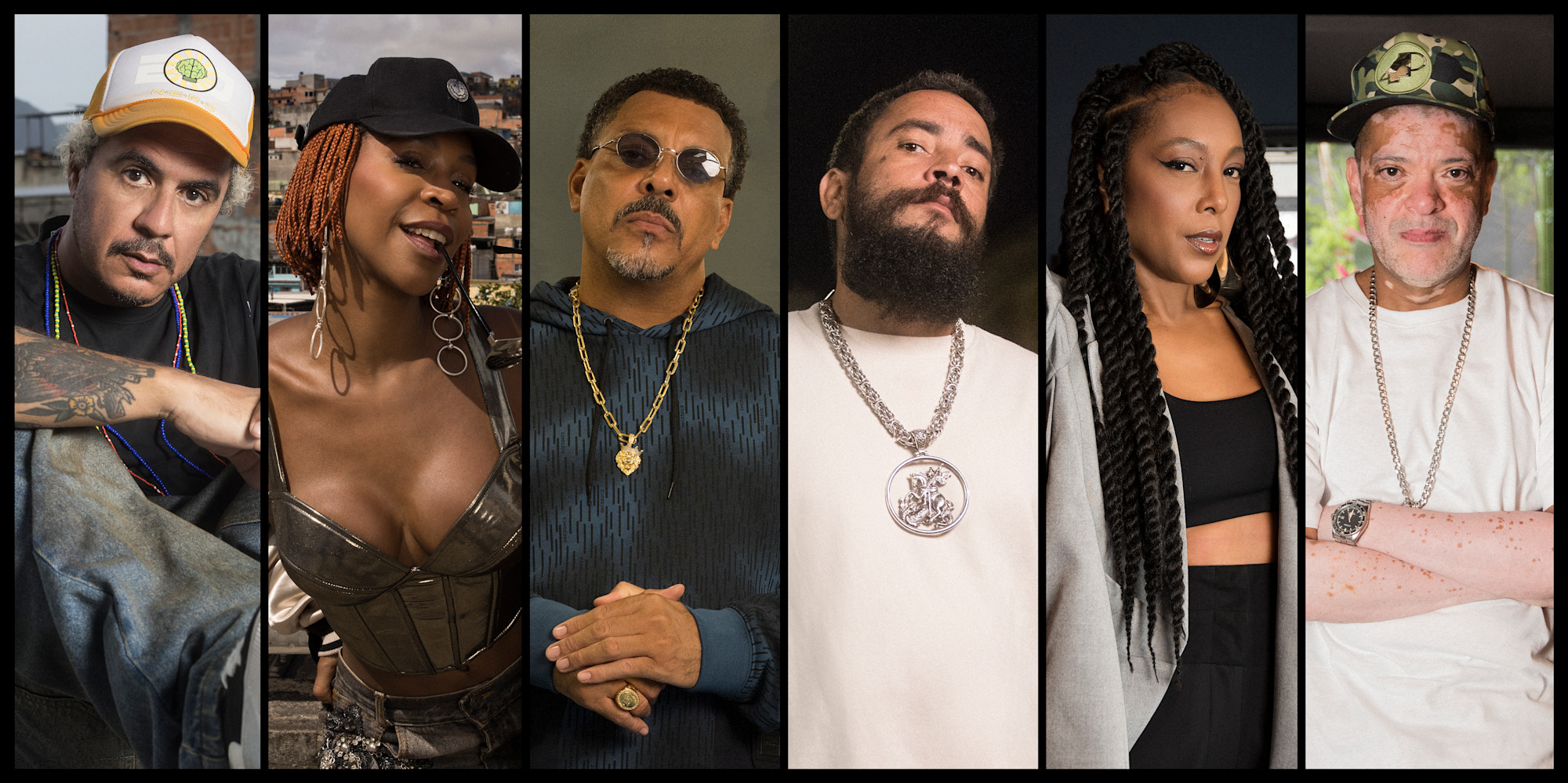
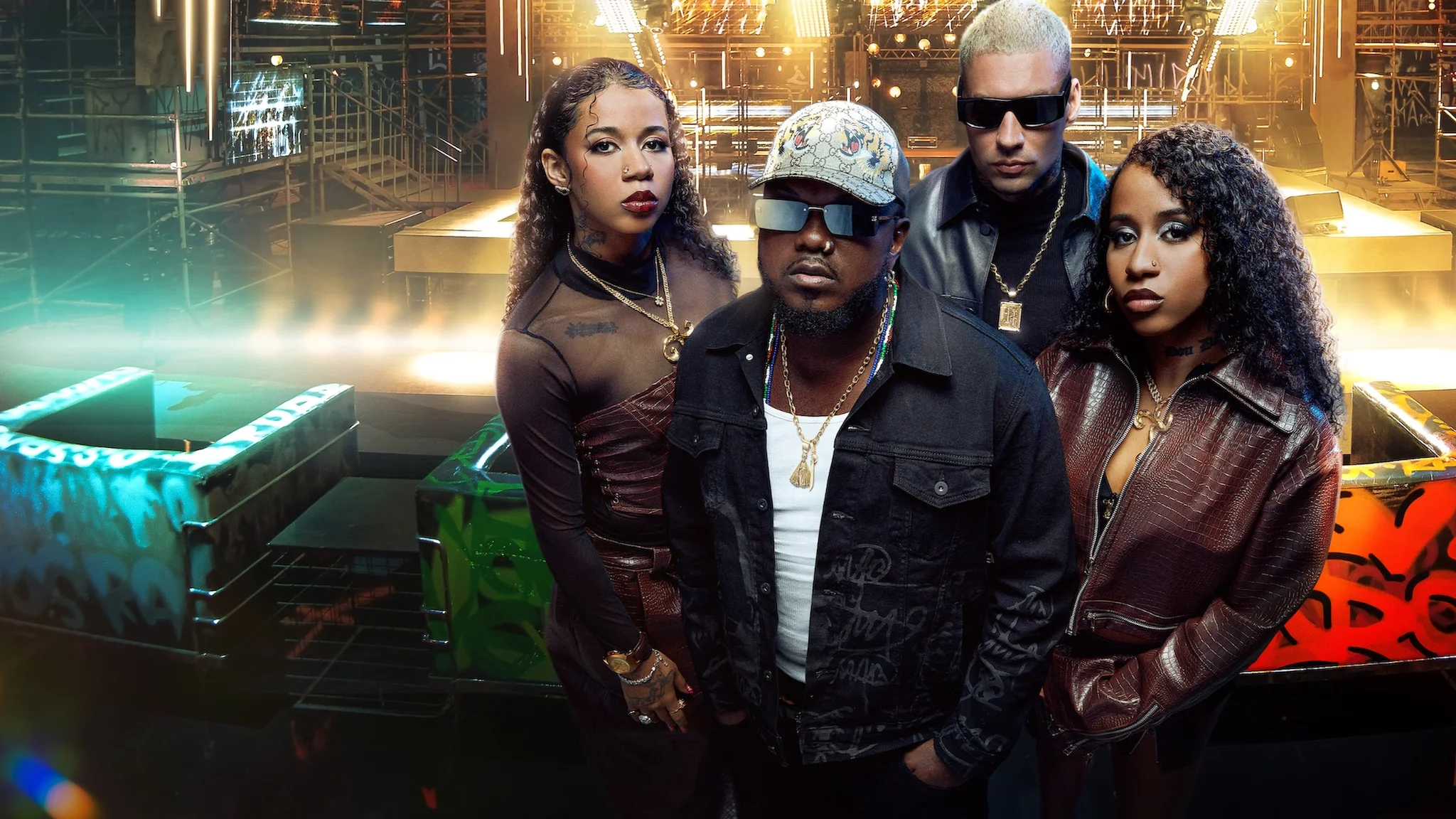
Brazilian hip-hop is no longer underground — it’s on the airwaves, in playlists, and topping streaming charts. August 2025 marked another step in rap’s takeover of the country’s soundscape, with Connect Brazil reporting a surge in hip-hop and urban tracks on mainstream charts. The message is clear: Brazilian rap isn’t just a genre — it’s a movement that’s shaping the nation’s cultural pulse.

Charting the Revolution
Connect Brazil’s August updates revealed what fans already knew — rap and trap are leading the conversation. Tracks once limited to independent playlists are now rivaling pop and sertanejo hits in daily streams. Listeners are gravitating toward artists who mix gritty lyricism with emotional depth — sounds that capture both the rhythm of the favelas and the realities of modern Brazil.
The rise of hip-hop in the charts isn’t an accident. It reflects a generation’s hunger for authenticity. Young listeners want music that speaks their truth — stories of struggle, survival, and success told in their language, over beats that move the body and challenge the system.
From the Booth to the Billboard
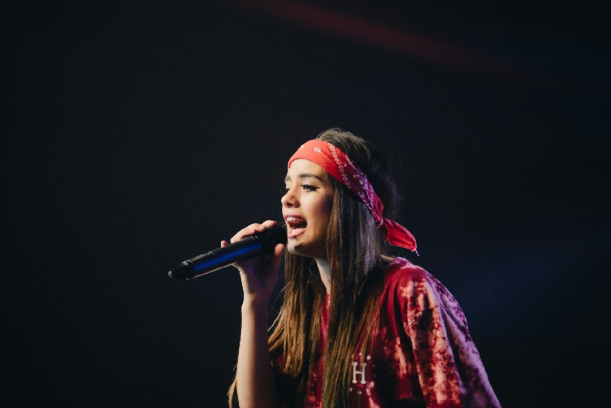
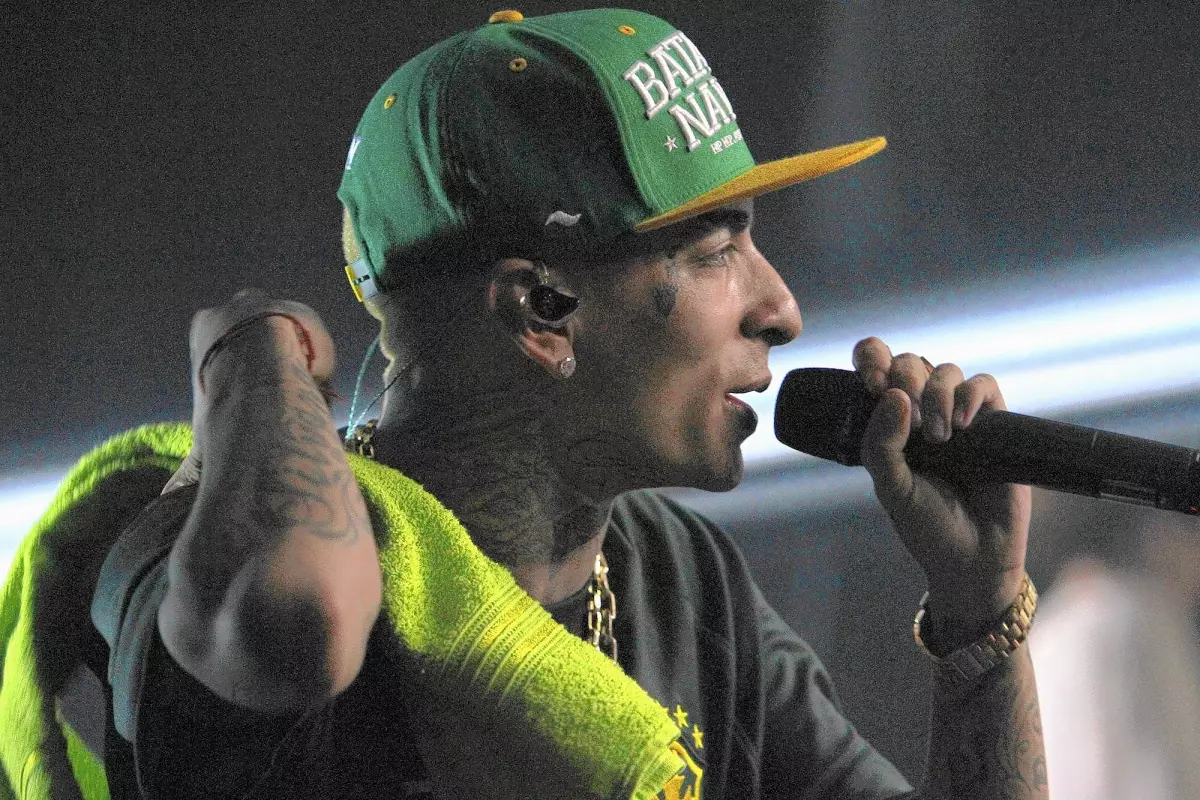
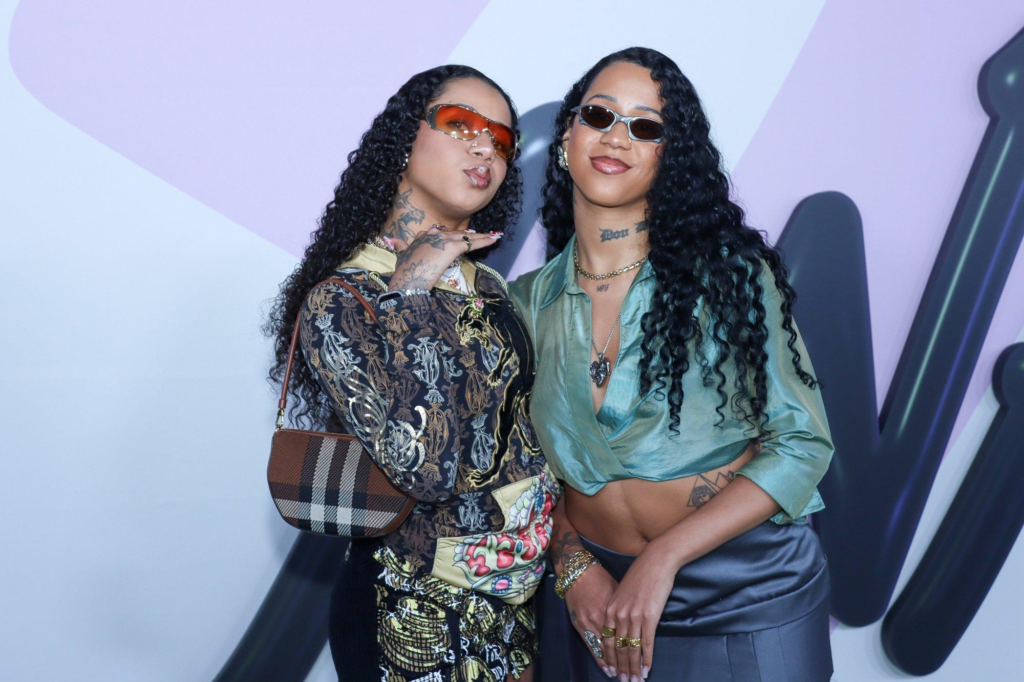
Behind every viral verse lies a story of hustle. Whether it’s MCs freestyling in the outskirts of São Paulo or producers uploading beats from Recife, the ecosystem of Brazilian hip-hop is built on independence and innovation. Artists like Teuz7, MorGx, and Grag Queen are pushing the sound forward, blending local rhythms with global aesthetics.
Their success on streaming platforms has blurred the line between underground and mainstream. When tracks from local artists trend alongside global icons like Travis Scott or Kendrick Lamar — both set to perform in Brazil later this year — it signals a new era: Brazilian hip-hop is now a global conversation.
Rap Notícias: The Pulse of the Culture
On social media, Rap Notícias has become the heartbeat of this growing scene. The outlet’s constant updates, interviews, and event coverage have turned its Instagram feed into a virtual newsroom for hip-hop lovers across Brazil and the Lusophone world.
In August, Rap Notícias highlighted rap events from Angola, Portugal, and Mozambique, proving that the Lusophone rap network is thriving. The shared language has become a bridge connecting voices across continents — a kind of sonic alliance rooted in rhythm and resistance.
For fans, Rap Notícias isn’t just reporting — it’s documenting history in real time. Each post adds to the digital memory of a culture once ignored by mainstream media but now impossible to overlook.
Urban Energy, Global Reach
The Brazilian music charts don’t just measure popularity — they map influence. Rising rap tracks often come from regions long excluded from the country’s pop narrative. Cities like Salvador, Brasília, and Belo Horizonte are producing talent whose sound rivals Rio and São Paulo.
Playlists like “Novo Rap Nacional Brasileiro” and “Latest Brazilian Rap Music 2025” on YouTube and Spotify are amplifying this diversity. Each update reveals how deep and rich the scene has become — melodic trap, drill-inspired verses, experimental beats — all stitched together by the Brazilian spirit.
This digital infrastructure has also made discovery easier. Algorithms are now introducing local rappers to international audiences, creating an export market for Brazil’s hip-hop unlike anything seen before.
From Margins to Mainstream
The story of hip-hop in Brazil is one of reclamation. Once dismissed as foreign or dangerous, it’s now a mirror for national identity. Each chart climb is a statement of resilience — proof that stories from the margins belong in the center of cultural dialogue.
And it’s not just the artists who are winning. Independent labels, YouTube curators, podcast hosts, and festival organizers are all part of the machine driving this revolution forward. The Town 2025 in São Paulo, for example, has already positioned itself as one of the biggest genre-mixing festivals in Latin America — with hip-hop right at its heart.
The Beat Goes Global
The Brazilian hip-hop wave isn’t slowing down. With international artists eyeing collaborations and tours across the country, and local rappers crossing borders through Lusophone partnerships, the genre’s next phase looks unstoppable.
The energy that began in the streets has taken over the screens, the speakers, and the stage. Every new track is a reminder that Brazilian rap is more than music — it’s a declaration of presence, pride, and power.
As August fades, the charts tell their own story: Brazil’s hip-hop generation isn’t asking for a seat at the table. They’ve built their own — and the world is finally listening.

 brazil hiphop