 kofit36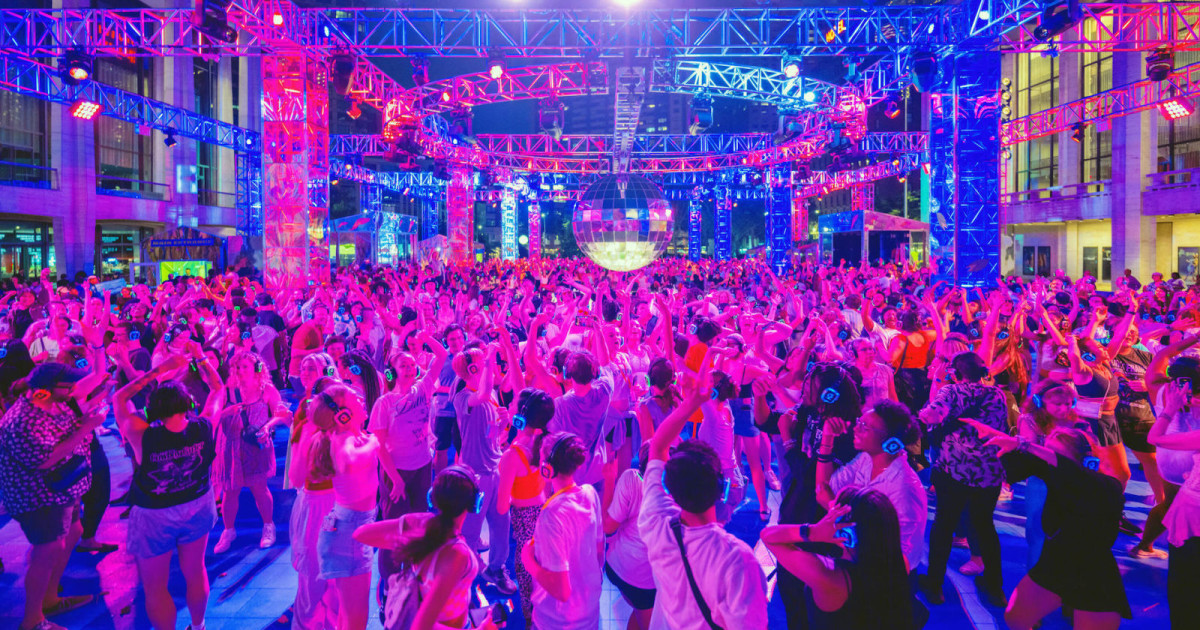
By Eli Jesse
🌍 A Historic Moment for Brazilian Hip-Hop
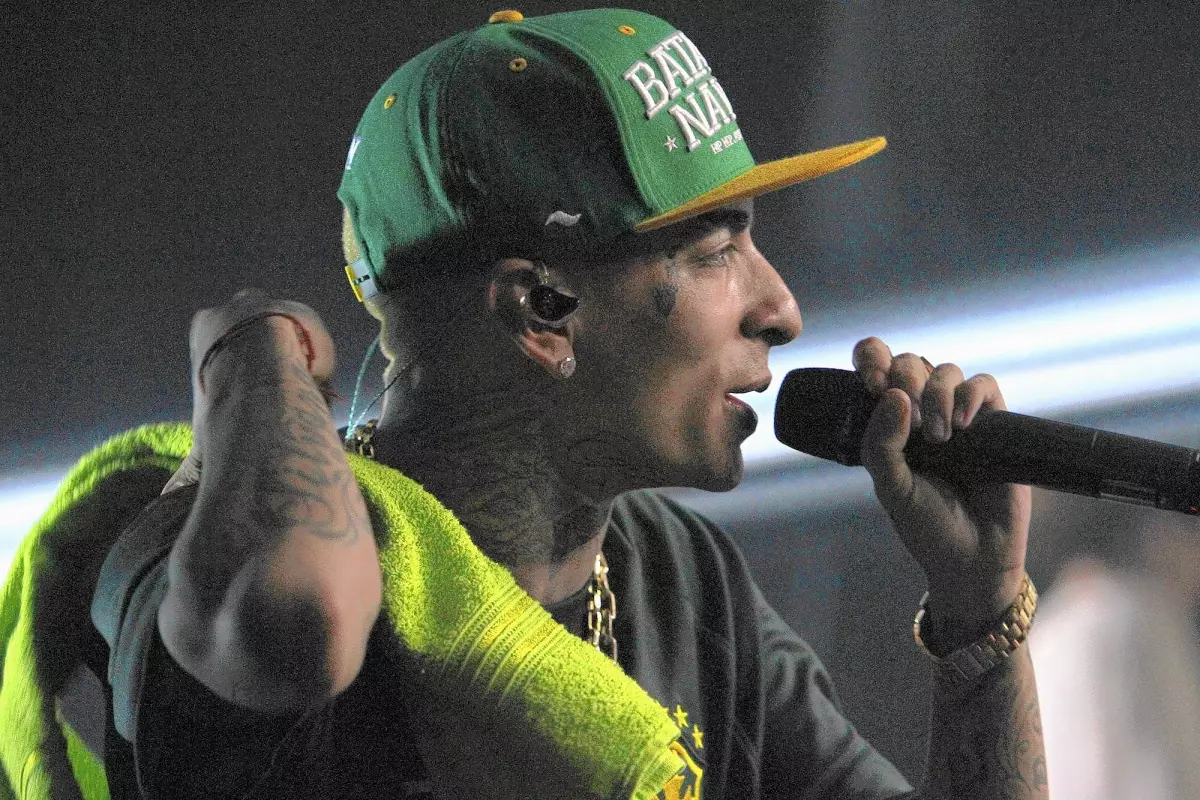
In mid-July 2025, something powerful happened at Lincoln Center in New York City. Under the warm lights of Brazil Week – Summer for the City, Brazilian rapper Rashid brought his project “Portal” to life for an international audience. For many fans, this wasn’t just another performance — it was a milestone.
Rashid didn’t just perform songs. He carried the spirit of São Paulo’s rap culture across borders, blending local storytelling with global energy. His stage presence, lyrical depth, and fusion of Brazilian rhythms with universal hip-hop beats proved why Brazil’s rap movement is no longer confined to its homeland — it’s thriving worldwide.
🎤 The “Portal” Project: Bridging Two Worlds
At its core, “Portal” represents Rashid’s artistic philosophy — music as a gateway between realities. In the performance, the rapper built an atmosphere that mixed visual projections, live instrumentation, and conscious lyricism.
Each track acted like a door — opening into different stories about identity, struggle, and resilience. The sound fused boom-bap, trap, and Brazilian soul influences, while visuals mirrored the themes of movement and evolution.
Fans and critics in attendance described “Portal” as more than a concert — a cinematic experience. It invited the audience to reflect on how Brazilian hip-hop expresses global truths: inequality, ambition, and pride in one’s roots.
🇧🇷 From São Paulo Streets to Lincoln Center
Rashid’s path from the neighborhoods of São Paulo to one of the world’s most prestigious stages is the perfect symbol of Brazilian rap’s global rise. Emerging in the early 2010s, Rashid built his reputation through sharp lyricism and a socially aware message, aligning with legends like Racionais MC’s, Emicida, and Criolo — artists who turned Brazilian rap into a voice of consciousness.
Over the years, his releases such as A Coragem da Luz, Tão Real, and Movimento Rápido dos Olhos established him as a storyteller whose music bridges the street and the stage. By performing “Portal” in New York — the birthplace of hip-hop — Rashid made a powerful statement: Brazil’s hip-hop has earned its seat at the global table.
🎶 Why Rashid’s Performance Mattered
For the Brazilian community abroad, Rashid’s show felt deeply personal. It wasn’t just about music — it was about representation. Seeing a Brazilian MC headline Brazil Week in a space dominated by jazz, ballet, and classical performances felt revolutionary.
His lyrics touched on social issues — from economic struggle to racial identity — but with a message of hope, pride, and transformation. Through “Portal,” Rashid reminded both Brazilians and Americans that rap is a universal language, and Brazil speaks it fluently.
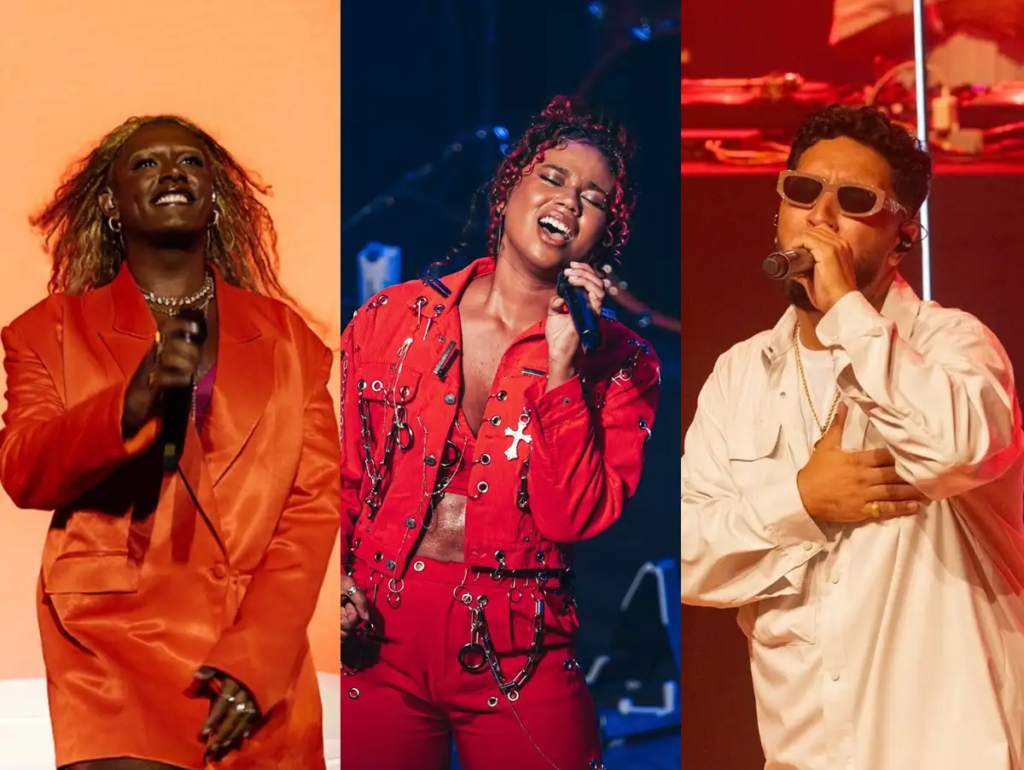
Social media reactions were electric. Fans posted clips of the performance with captions like:
“This isn’t just hip-hop — it’s history.”
“Rashid carried Brazil on his back tonight.”
Within hours, #RashidPortal trended among Brazilian audiences in the U.S.
💬 Beyond Borders: Rashid’s Global Vision
Rashid’s international push didn’t happen by accident. He’s part of a new generation of Brazilian artists who view hip-hop as a global cultural export — not just a local genre.
In interviews, Rashid often says his goal is to “make Brazilian rap speak to the world.” That’s why he collaborates with producers from multiple continents and keeps his music bilingual where it fits the theme.
The “Portal” performance in New York reflected that ambition. It seamlessly integrated Portuguese lyrics with English phrases, Afro-Brazilian percussion with modern trap drums, and São Paulo street poetry with world-class stage design.
It wasn’t just a show — it was Brazilian identity in motion.
🌆 The Event: Brazil Week – Summer for the City
Brazil Week at Lincoln Center (July 16–20) was part of the Summer for the City festival — a celebration of Brazil’s music, art, and culture. The event brought together samba, bossa nova, funk, and of course, hip-hop.
Rashid’s slot stood out because it introduced the audience to a different side of Brazilian music — urban, conscious, and forward-thinking.
Critics from American and Brazilian outlets described the performance as:
“A sonic bridge between São Paulo’s heartbeat and New York’s skyline.”
Rashid’s charisma and connection with the audience broke through language barriers. His words — even when untranslated — carried emotion and rhythm strong enough to move everyone in the hall.
💥 Brazil Is on the Global Map
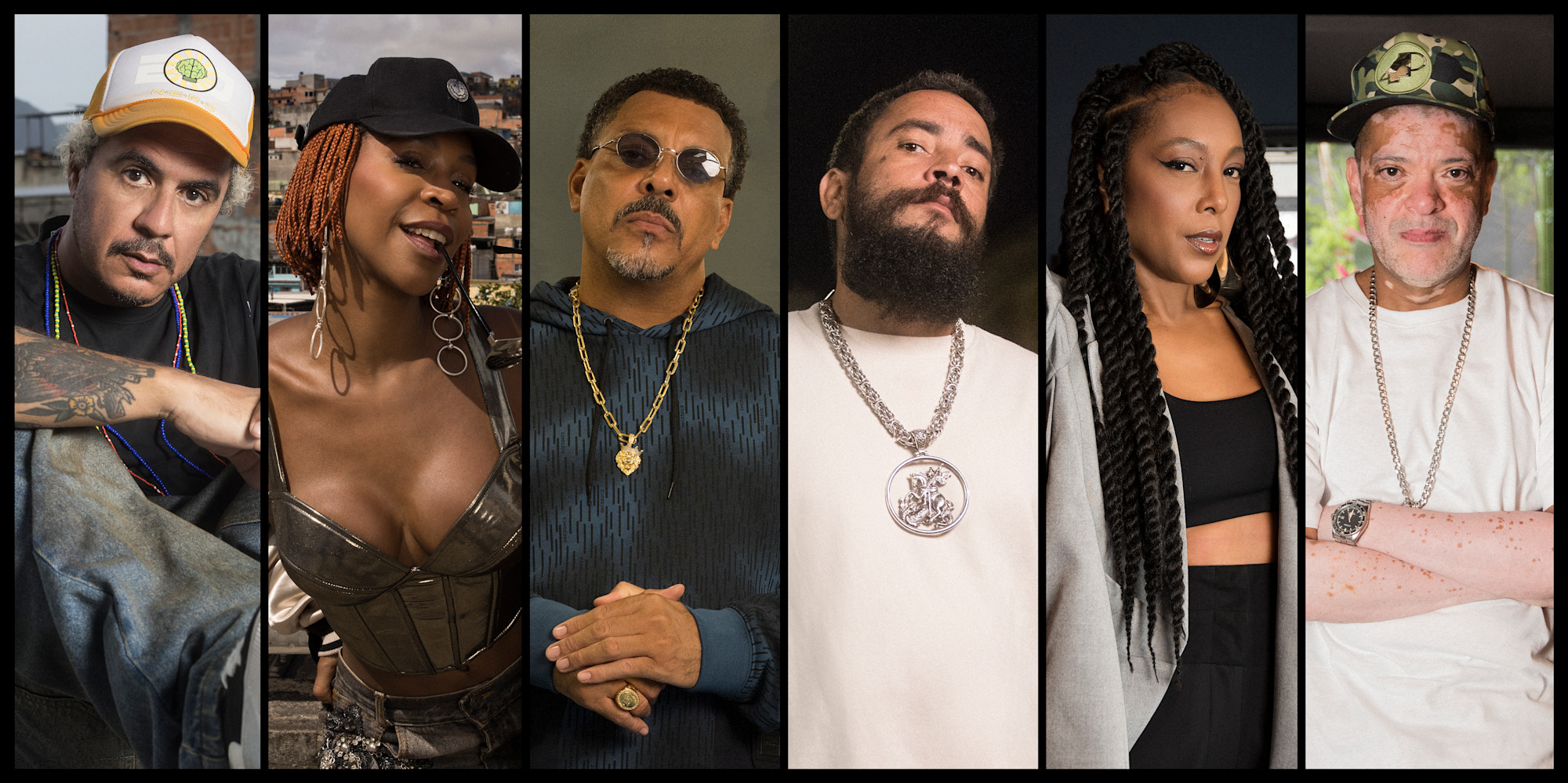
2025 has been a landmark year for Brazilian hip-hop. Artists like Baco Exu do Blues, Djonga, Tasha & Tracie, and BK’ have all gained international recognition, with streaming numbers soaring across Europe and North America.
Rashid’s appearance in New York solidified a larger narrative: Brazilian hip-hop is no longer underground — it’s global culture.
With the success of “Portal,” fans now anticipate a potential international tour and new collaborations with global artists.
🧠 The Message Behind the Music
At the end of his set, Rashid addressed the crowd with words that summed up the spirit of the night:
“The portal isn’t just mine — it’s ours. Every artist, every listener, everyone who believes hip-hop can change something.”
That message resonates with Brazil’s youth, who view music as both escape and empowerment. Rashid’s ability to blend artistry and activism has turned him into more than just a rapper — he’s a cultural ambassador.
📸 Suggested Images
- Rashid performing live at Lincoln Center, NYC (press photo)
- Wide shot of the Brazil Week stage setup
- Crowd reactions during the “Portal” set
- Rashid with the Brazilian flag backstage
- Graphic collage: “Rashid – Portal | New York 2025”
🎥 Suggested Video Embed
- Rashid – Portal (Live Performance Recap, 2025)
- Behind-the-scenes short from Brazil Week by Lincoln Center
🧭 Final Thoughts
Rashid’s “Portal” performance wasn’t just a concert — it was a movement through sound, time, and identity. It reminded the world that hip-hop’s origins might be New York, but its soul now beats just as hard in São Paulo, Salvador, and Rio.
By stepping onto that Lincoln Center stage, Rashid didn’t walk alone — he carried the voice of millions of Brazilians who see rap not just as music, but as freedom.
If Brazil Week was a bridge between cultures, Rashid was its architect — a poet proving that no matter the language, truth always rhymes.

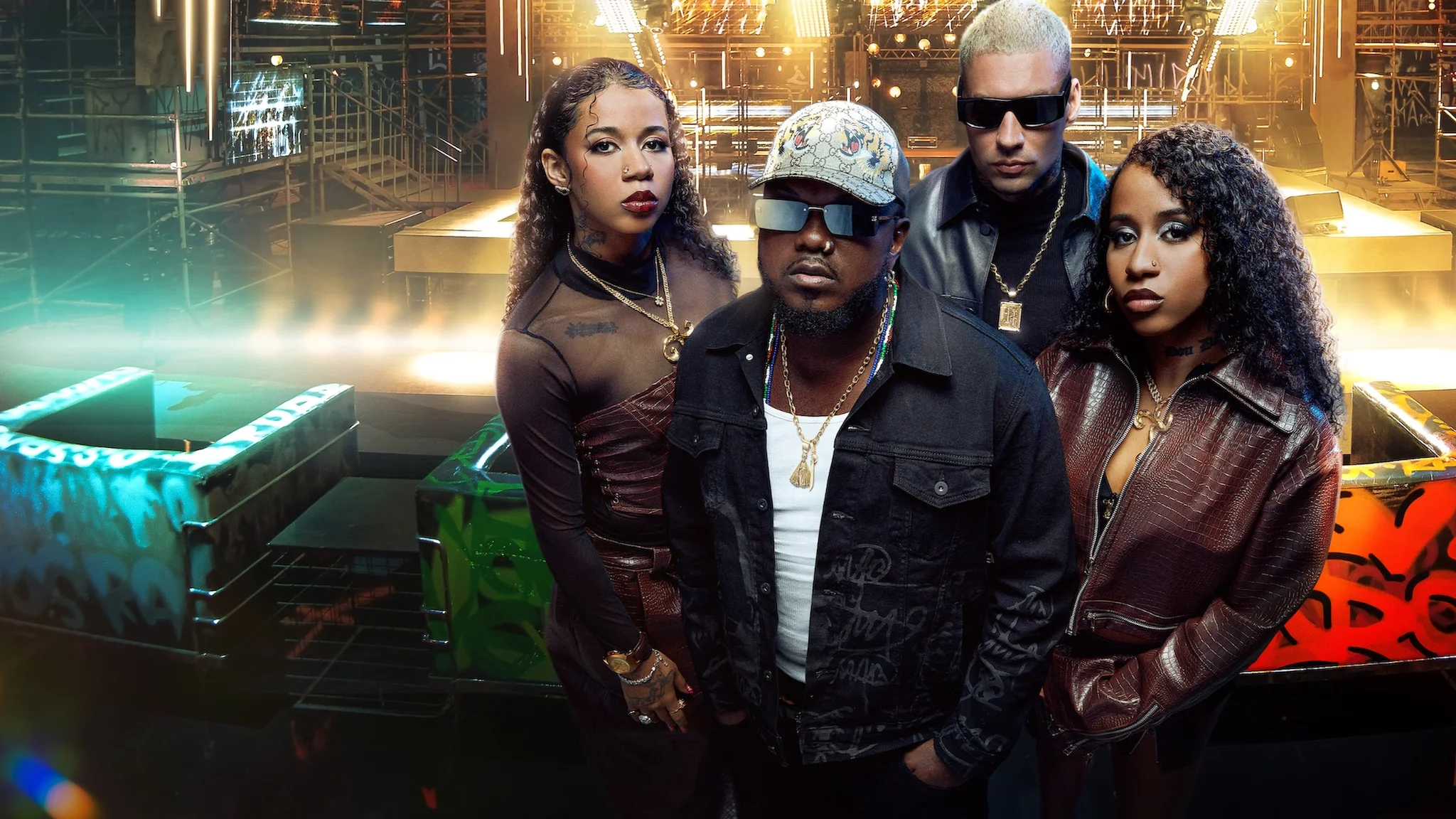
 brazil hiphop