 brazil hiphop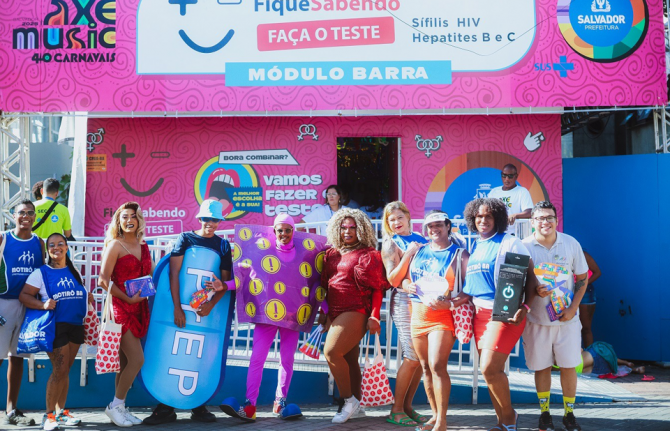
By Eli Jesse
Brazil’s urban music culture has long been a powerful voice for young people, shaping everything from fashion and dance to language and social identity. Now, that influence is being recognized in a new way.
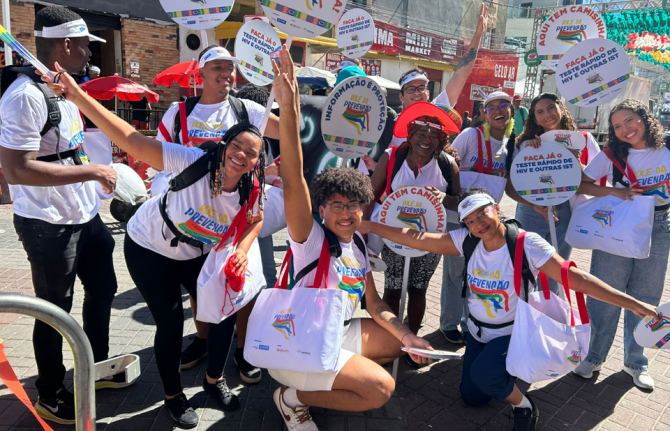
UNAIDS Brazil has launched a youth-focused awareness campaign that embraces the popularity of Brazilian funk culture to promote HIV prevention, using music and digital engagement to reach younger audiences with life-saving public health information.
The initiative highlights how Brazil’s urban music scene is evolving beyond entertainment and becoming an important platform for education, advocacy, and community engagement.

A New Approach to Public Health
Traditional public awareness campaigns often struggle to connect with younger audiences. Recognizing this challenge, UNAIDS Brazil chose to work with cultural movements that already have deep roots among Brazilian youth.
Rather than relying solely on conventional messaging, the campaign incorporates elements of Brazil’s vibrant funk culture, using language, visuals, and digital platforms that resonate with younger generations.
The goal is simple: make conversations about HIV prevention more accessible, relatable, and engaging.
By meeting young people where they already spend their time—through music, social media, and online communities—the campaign hopes to encourage greater awareness and reduce stigma surrounding HIV testing and prevention.
Why Funk Culture Matters
Brazilian funk, particularly the sounds that emerged from Rio de Janeiro’s favelas, has become one of the country’s most influential cultural exports.
The genre reaches millions of listeners every day through streaming services, YouTube, TikTok, Instagram, and live events.
Its influence extends beyond music into:
- Fashion
- Dance
- Youth identity
- Social media trends
- Street culture
Because of this widespread appeal, funk provides a powerful platform for communicating messages that matter to young audiences.
Public health organizations increasingly recognize that cultural movements can be effective partners when addressing important social issues.
Music as a Tool for Positive Change
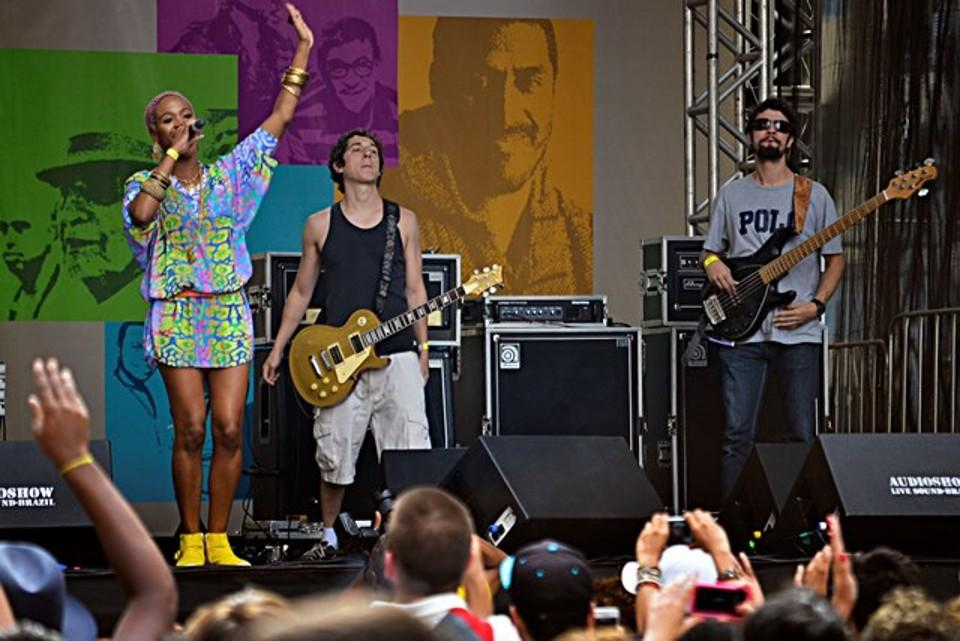
Hip-hop and funk have historically served as platforms for discussing social realities.
Artists have used music to speak about poverty, inequality, discrimination, education, violence, and community resilience. Today’s public health campaign builds on that tradition by demonstrating how music can also help spread awareness about HIV prevention.
Instead of separating entertainment from education, the initiative combines the two, encouraging young people to engage with important health information in familiar cultural spaces.
The campaign reflects a growing understanding that music can inspire conversations that traditional communication methods sometimes cannot.
Reaching Brazil’s Digital Generation
One of the campaign’s biggest strengths is its focus on digital engagement.
Young Brazilians increasingly discover music, trends, and information through platforms such as TikTok, Instagram, and YouTube. By incorporating funk-inspired content into these spaces, UNAIDS Brazil aims to reach audiences that might otherwise overlook traditional health campaigns.
This strategy recognizes that social media creators, musicians, and cultural influencers now play an important role in shaping public conversations.
As Brazil’s urban music scene continues to grow online, its ability to support educational initiatives is becoming increasingly valuable.
The Cultural Influence of Urban Music
The campaign also demonstrates how far Brazilian urban music has come.
Once viewed primarily as underground movements, both funk and hip-hop now influence national conversations across entertainment, business, education, and public policy.
Their growing visibility has created opportunities for artists and organizations to collaborate on issues affecting communities throughout the country.
As these genres continue expanding internationally, they are also showing that music can create positive social impact alongside commercial success.
Looking Ahead
The partnership between UNAIDS Brazil and youth-focused cultural movements represents a modern approach to public awareness.
By embracing the popularity of funk and hip-hop rather than viewing them simply as entertainment, the campaign highlights the important role music can play in promoting education and healthier communities.
As Brazilian urban music continues reaching audiences around the world, initiatives like this demonstrate that its influence extends far beyond streaming numbers and festival stages.
For many young Brazilians, music is more than a soundtrack—it is a trusted source of identity, communication, and community. Campaigns that recognize this connection have the potential to create lasting impact while reinforcing the positive role that hip-hop and funk can play in society.