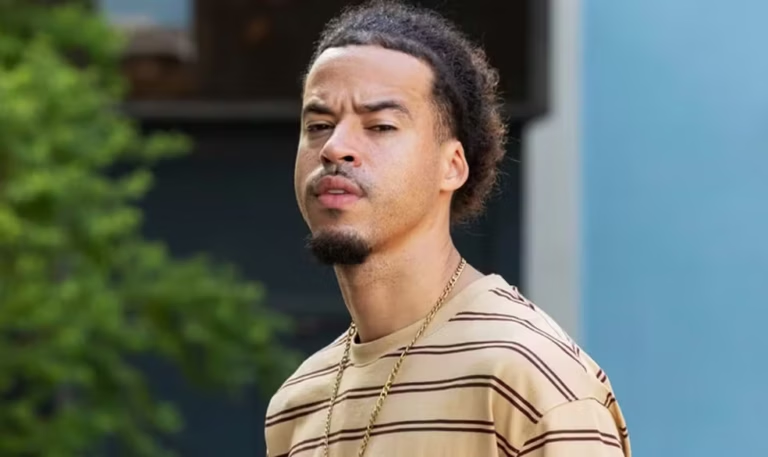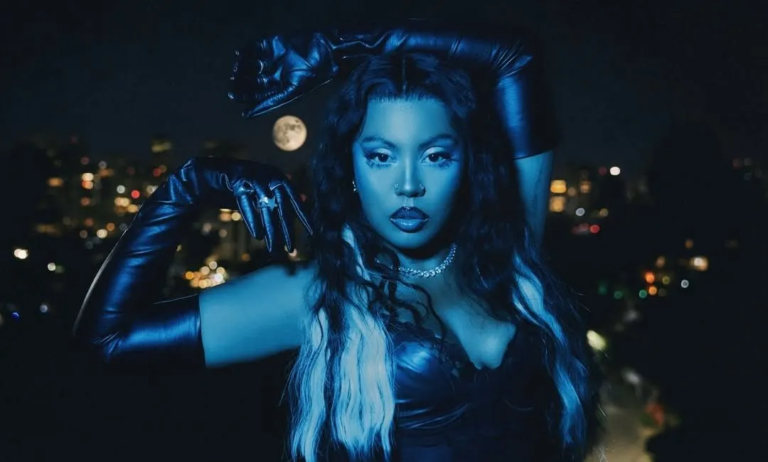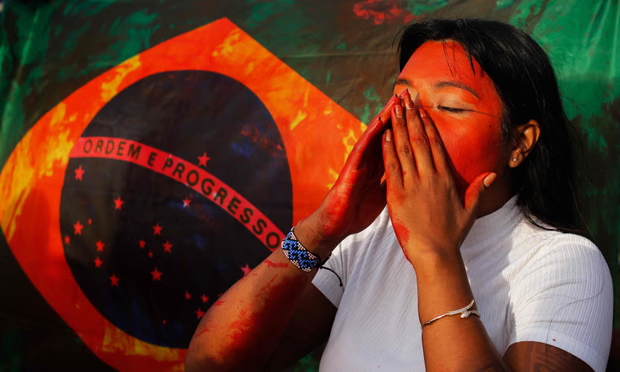
While São Paulo dominated official drops, Rio de Janeiro owned the streets. The first week of December saw Rio’s underground hip-hop scene come alive through cyphers, street sessions, and raw lyrical showcases that reminded everyone where Brazilian rap spirit was born. No big budgets, no industry polish—just bars, beats, and hunger.
Rio’s cypher culture has always been sacred. From street corners to basketball courts and beachside meetups, MCs gather to test skill, presence, and authenticity. Early December felt like a reset. As the year approached its end, rappers stepped into circles with something to prove, unloading verses shaped by survival, inequality, and everyday life in the favelas.
Unlike polished studio releases, these cyphers thrived on imperfection. Freestyles cracked with emotion, flows switched mid-verse, and crowd reactions guided energy in real time. The power wasn’t just in lyricism—it was in connection. Listeners weren’t passive; they were participants, hyping bars, calling out weak lines, and pushing MCs to elevate.
Lyrically, Rio rappers leaned heavily into social realism. Topics ranged from police pressure and systemic neglect to brotherhood, resilience, and street pride. There was no glamorizing struggle—just truth. Many verses sounded like spoken diaries, exposing fear, anger, hope, and faith with zero filter. That honesty is what separates Rio’s underground scene from mainstream narratives.
Boom-bap beats dominated these cyphers, paying homage to hip-hop’s roots. Dusty drums, looping samples, and stripped-down production allowed lyrics to breathe. However, trap and grime-influenced rhythms also crept in, showing how younger MCs are blending tradition with modern sounds. The result was a scene that respects the past without being stuck in it.
Another standout element was diversity. Early December cyphers featured voices from different neighborhoods, backgrounds, and age groups. Veteran lyricists stood next to teenage rappers, each bringing a unique perspective. That generational mix created balance—experience met hunger, wisdom met urgency.
Social media played a quiet but powerful role. Clips from these cyphers circulated online, spreading far beyond Rio. Raw phone-shot videos went viral not because of aesthetics, but because of energy. Viewers across Brazil resonated with the authenticity, sharing verses that spoke to shared struggles in different cities.
Rio’s underground movement also reinforced hip-hop’s role as community therapy. These sessions weren’t just about rap—they were safe spaces. Spaces to vent, reflect, laugh, and dream. In a city where opportunities are uneven, cyphers remain one of the few platforms where talent alone can earn respect.
Culturally, these moments mattered. While labels push polished artists, Rio’s streets continue to shape the genre’s soul. Early December proved that Brazilian hip-hop doesn’t rely solely on charts or playlists. It survives in circles, voices, and shared experiences.
As December continues, these underground cyphers will likely influence studio releases, collaborations, and emerging artists. Rio may not always lead in numbers, but it consistently leads in spirit. The first week of December was proof that Brazil’s hip-hop heartbeat still echoes loudest in the streets of Rio de Janeiro.
About the Author