Brazil’s hip-hop scene closed out March 2026 with a strong run of live performances, reinforcing the country’s reputation as one of the most energetic and culturally rich hip-hop markets in the world. From global festival stages to underground favela parties, the final week of March highlighted how performance culture remains at the heart of Brazilian hip-hop.
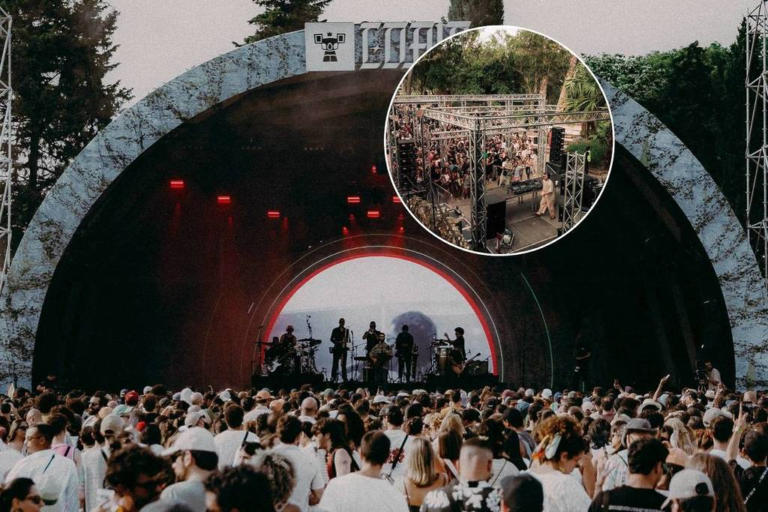
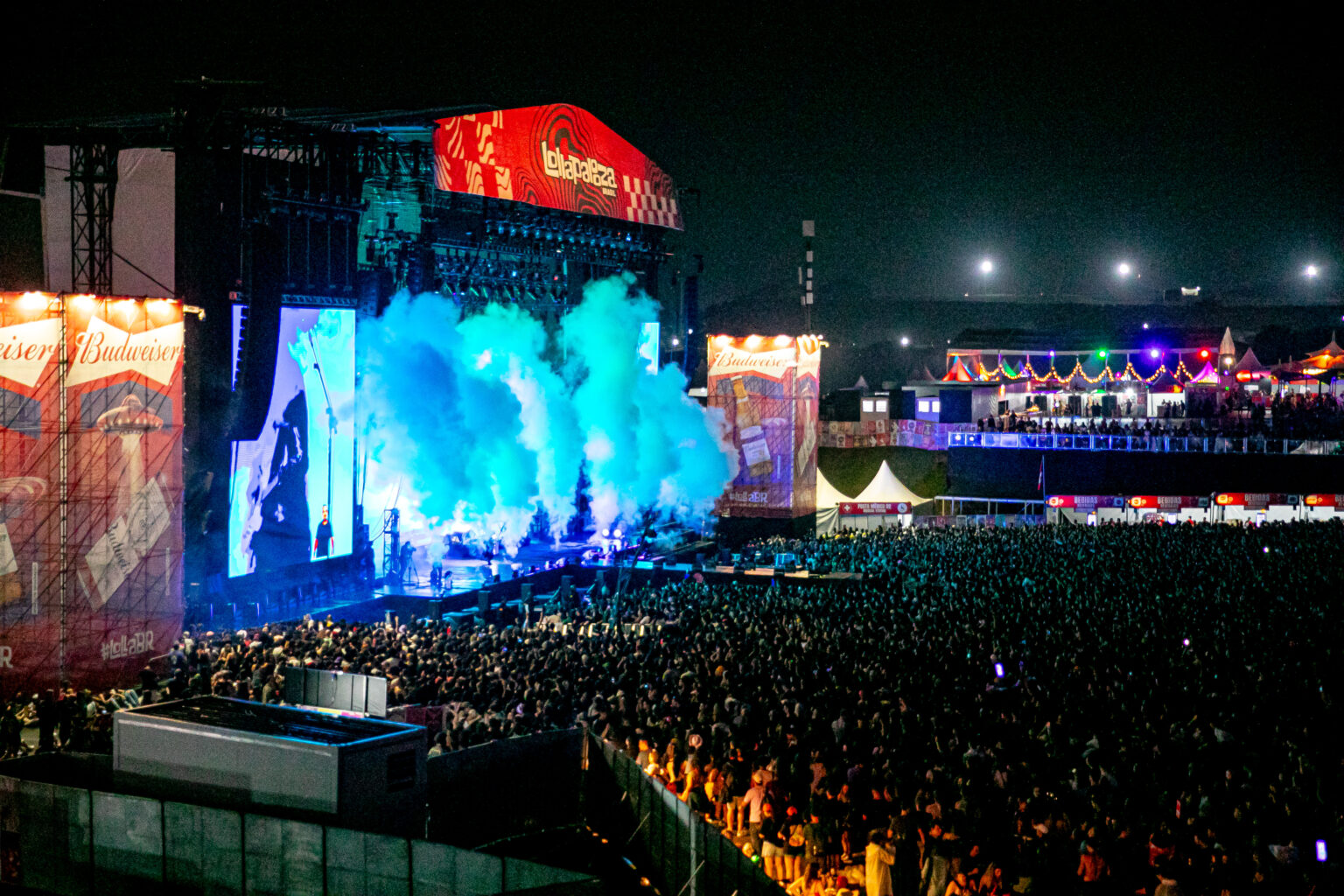
Lollapalooza Brazil 2026 Delivers a Global Hip-Hop Experience
The biggest live event of the week was , held in .
The festival featured a diverse lineup, but hip-hop stood out as a major force.
- delivered one of the most talked-about performances
- Brazilian crowds showed strong engagement with international hip-hop acts
- Local DJs and performers blended funk, trap, and rap into high-energy sets
The importance of this moment goes beyond one performance. It shows that Brazil is now a major stop on the global hip-hop touring circuit, capable of hosting both legacy acts and emerging stars.
São Paulo Nightlife Keeps the Energy Alive
Outside of major festivals, São Paulo’s club scene remained active throughout the week.
- Hip-hop and funk parties filled venues across the city
- DJs mixed American trap with Brazilian funk, creating a hybrid club sound
- Independent artists used these shows to test new music and build local followings
The nightlife scene plays a key role in Brazil’s hip-hop ecosystem. It acts as a bridge between mainstream exposure and underground authenticity.
Rio de Janeiro’s Baile Funk Scene Continues to Thrive
In , baile funk events remained central to the culture.
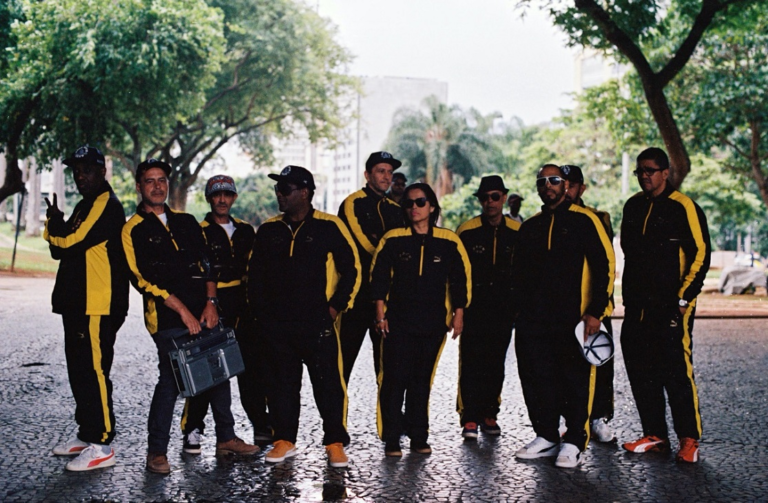
- Community-driven parties in the favelas attracted large crowds
- Sound systems and DJs pushed new rhythms and experimental beats
- Performances often blurred the line between concert and street celebration
Despite increasing restrictions, these events continue to shape the identity of Brazilian hip-hop. They are not just entertainment spaces but cultural hubs where trends are born.
Underground Shows and Street Cyphers Gain Momentum
Beyond major cities, smaller-scale performances and street cyphers continued to grow.
In places like :
- Rap battles drew crowds of young fans and aspiring artists
- Cyphers became spaces for raw lyrical expression
- Artists focused on storytelling rooted in everyday struggles
These grassroots events are essential to maintaining the authenticity of the culture. While mainstream platforms provide visibility, the underground preserves the core message of hip-hop.
Emerging Artists Take the Stage
Late March also gave space to a new generation of performers stepping into the spotlight.
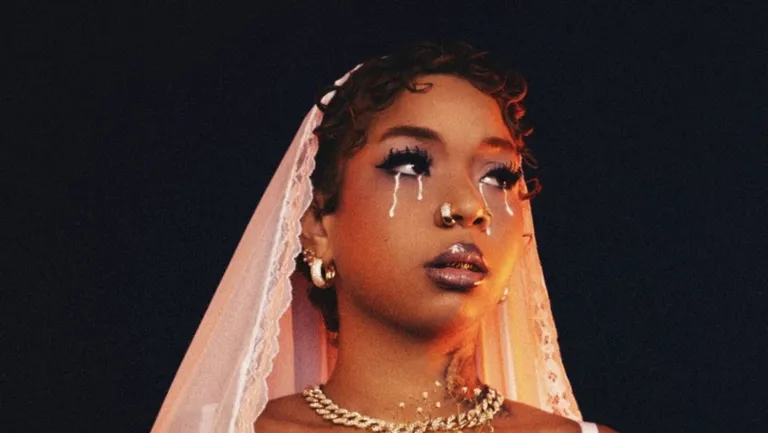
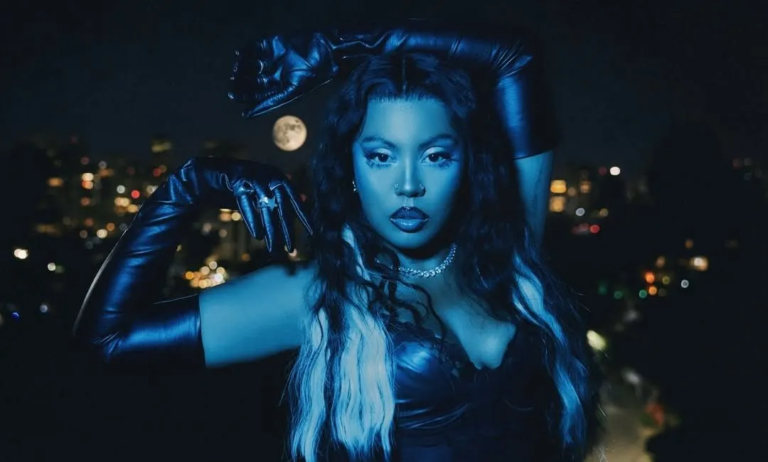
- continued to influence live audiences with melodic trap sounds
- attracted younger fans with energetic performances
- represented the experimental side of Brazil’s new wave
These artists are redefining what a hip-hop performance looks like in Brazil, blending visuals, crowd interaction, and genre fusion.
The Role of DJs and Producers in Live Shows
One of the defining elements of Brazil’s live hip-hop scene is the role of DJs.
- DJs act as performers, not just background support
- Sets often include transitions between funk, trap, and electronic music
- Producers test unreleased tracks directly with live audiences
This approach creates a dynamic experience where the crowd becomes part of the creative process.
Challenges Facing Live Hip-Hop Events
Despite the growth, the live scene faces several challenges:
- Increased regulation of street parties and favela events
- Limited infrastructure for independent shows
- Safety concerns in certain areas
These issues highlight the ongoing tension between cultural expression and external control. Even as the scene grows, access to performance spaces remains uneven.
A Culture Built on Performance
Live shows remain the backbone of Brazilian hip-hop.
They provide:
- Direct connection between artists and fans
- A platform for new music discovery
- A space for cultural expression and identity
From large festivals to small street gatherings, performance culture continues to drive the scene forward.
Final Take
The final week of March 2026 showed that Brazil’s hip-hop scene is thriving on stage.
Whether it is a global festival like or a late-night baile funk party in , the energy remains unmatched.
Brazil is not just producing music — it is delivering experiences that shape the global hip-hop movement.
About the Author