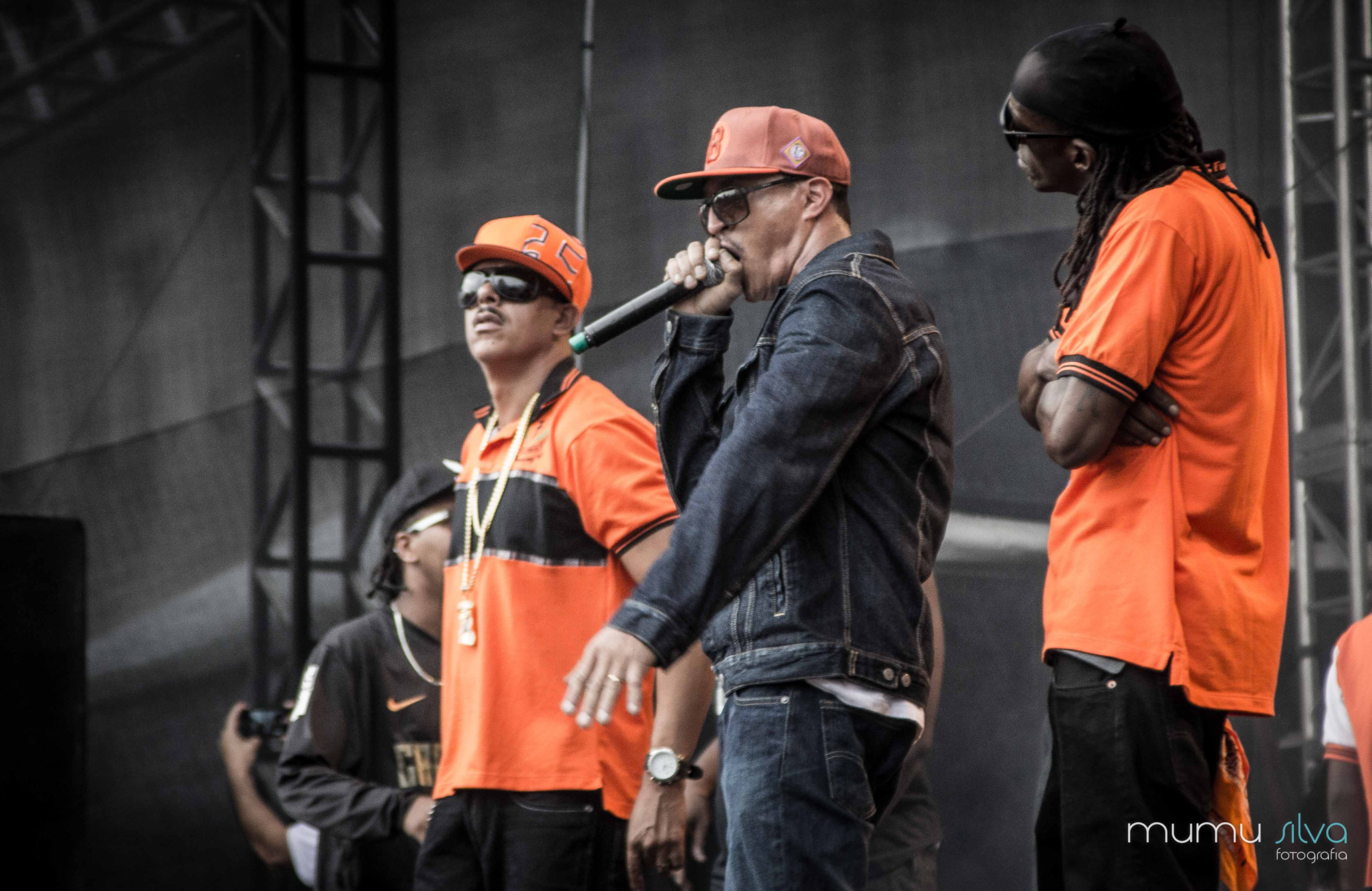
Racionais MC's na Virada Cultural
Brazil’s hip-hop culture stepped into April with strong momentum, blending street-rooted authenticity with global crossover appeal. From rising underground voices to major international collaborations, the first week of the month showed how Brazil continues to shape the global rap conversation.
New Music & Underground Wave
Early April didn’t bring one single dominating mainstream drop, but instead highlighted something more important — the strength of Brazil’s underground scene. Artists from São Paulo, Rio de Janeiro, and Brasília continue to push trap, drill, and boom bap hybrids, creating a sound that feels both local and international.
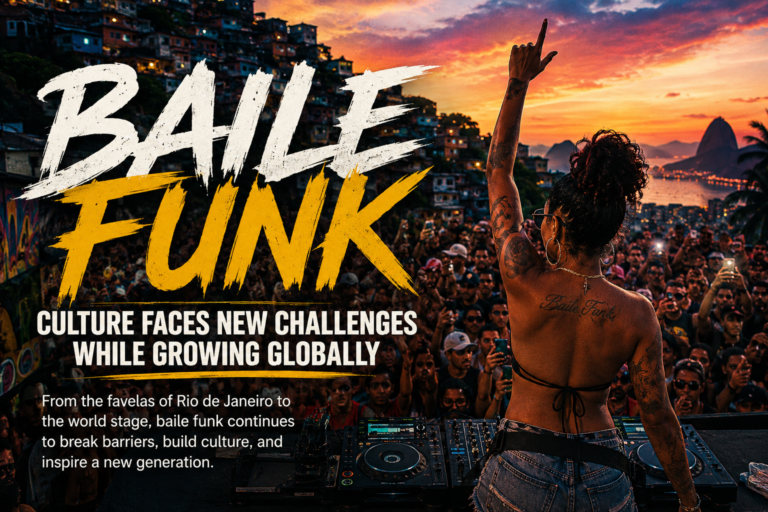
Brazilian hip-hop has always been deeply tied to community storytelling, especially from favela culture, and that remains evident in 2026. Brazilian hip-hop continues to evolve by blending traditional Brazilian rhythms with modern rap influences, keeping it fresh and globally relevant.
Independent artists are dominating platforms like YouTube and TikTok, dropping freestyle sessions, cyphers, and DIY visuals — a strategy that’s helping them bypass traditional industry barriers.
Global Influence & International Attention
Brazil’s rap scene is gaining more international visibility, especially as global platforms and collaborations grow. While major U.S. releases dropped around the same time, Brazil’s artists are increasingly positioning themselves within that same global conversation.
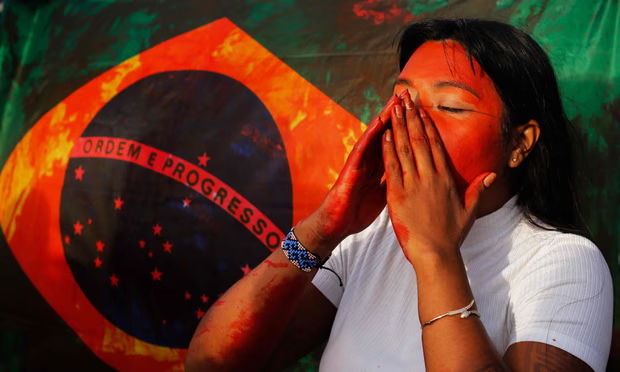
There’s also a noticeable rise in Afro-Brazilian identity in hip-hop, with artists embracing cultural roots while experimenting with modern production styles. This fusion is attracting listeners far beyond South America.
Live Scene & Upcoming Events
Even though the first week of April was relatively quiet for major hip-hop festivals, the live scene is building up momentum for later in the month.
- Rio de Janeiro is preparing for multiple hip-hop and urban shows throughout April, showing consistent demand for live rap performances.
- São Paulo remains the central hub for major music events, with large-scale festivals scheduled later in April, reinforcing Brazil’s importance in the global music circuit.
These events are expected to feature a mix of local rappers, trap artists, and international acts — further connecting Brazil to the global hip-hop ecosystem.
Culture, Streets & Digital Growth
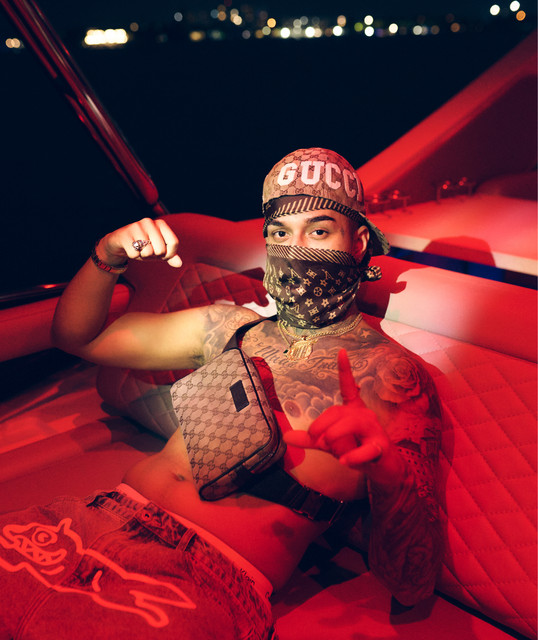
Brazilian hip-hop is no longer just about music — it’s a full cultural movement. Fashion, dance, graffiti, and social media all play a role in pushing the scene forward.
Short-form content is especially driving the culture right now. Freestyle clips, street cyphers, and viral dance trends are helping new artists gain traction fast, often without label backing.
This digital-first approach is making Brazil one of the most exciting hip-hop markets to watch in 2026.
Final Take
The first week of April didn’t rely on blockbuster drops — instead, it showed something deeper:
- The underground is thriving
- The culture is expanding globally
- And the next wave of Brazilian rappers is rising fast
Brazil isn’t just following hip-hop trends anymore — it’s actively shaping them.
About the Author