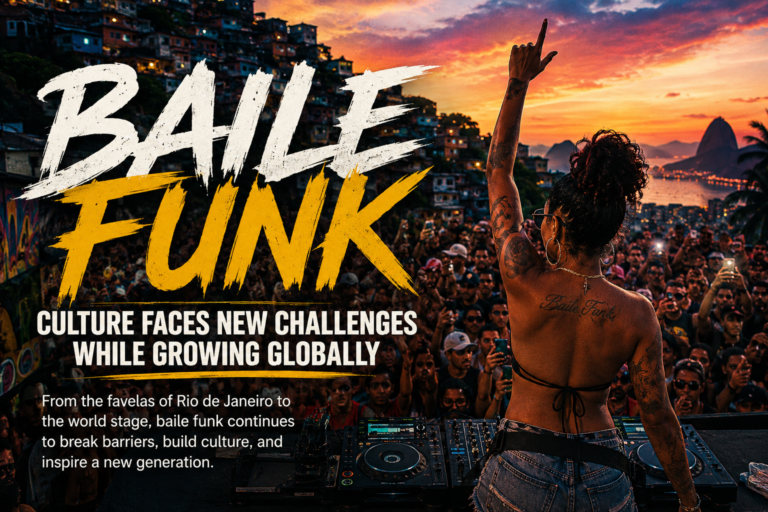
The first week of December in Brazil wasn’t just about music releases. Hip-hop lived outside the studio, taking over stages, streets, and open spaces across the country. From packed venues in São Paulo to spontaneous street gatherings in Rio and beyond, the culture showed its full presence—raw, loud, and deeply connected to the people.
Live shows played a major role in setting December’s tone. Artists approached performances with extra intensity, aware that year-end crowds expect energy. Small and mid-size venues became pressure cookers. Rappers delivered aggressive sets, crowd-chant hooks, and unreleased snippets, testing what would stick. The feedback was immediate—cheers, mosh pits, and phones in the air.
São Paulo remained the epicenter for organized shows. Trap and melodic rap dominated lineups, with artists blending hype tracks and reflective cuts to keep balance. DJs played a crucial role, stitching together Brazilian rap with funk, drill, and global hip-hop influences. These nights felt less like concerts and more like cultural meetups.
In Rio de Janeiro, street culture stole the spotlight. Instead of ticketed shows, hip-hop unfolded in public spaces—cyphers, freestyle battles, and informal performances. These moments weren’t announced with flyers. They spread through word of mouth and social media stories. That spontaneity is part of Rio’s hip-hop DNA.
Freestyle sessions drew mixed crowds—rappers, dancers, beatmakers, and everyday listeners. The energy stayed competitive but respectful. Bars were judged instantly, and weak verses didn’t survive long. These street moments reminded everyone that Brazilian hip-hop still values skill over status.
Dance culture also played a role in the first week of December. Breakdancers and street dancers showed up at events, turning sidewalks and venue entrances into performance spaces. Hip-hop felt multidimensional again—not just sound, but movement and presence. This fusion kept the culture inclusive and alive.
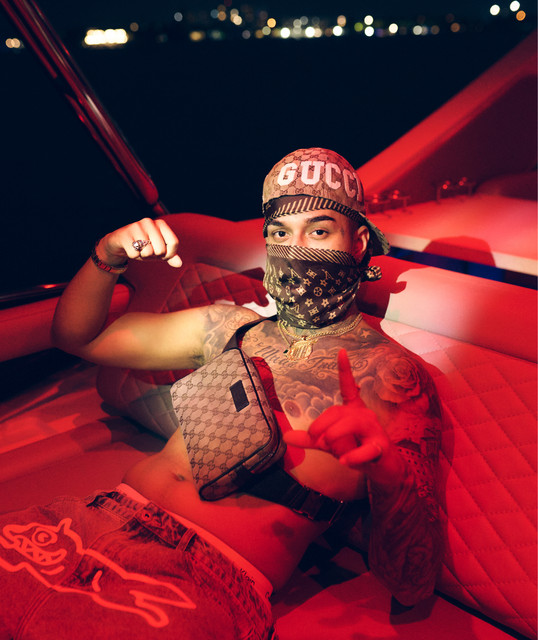
Fashion added another layer. Artists and fans alike leaned into bold streetwear—oversized fits, local brands, custom pieces, and expressive accessories. Style wasn’t about luxury labels only; it was about identity. Clothes became statements of origin, mindset, and belonging.
Social media amplified these moments instantly. Short clips from shows, cyphers, and street gatherings spread fast, especially raw footage filmed on phones. No filters, no edits—just energy. These clips gave fans in other cities a front-row seat, reinforcing hip-hop’s community-driven nature.
Culturally, the first week of December showed balance. While the industry side of hip-hop continues to grow, the streets still hold power. Shows bring structure, while street culture brings soul. One can’t exist fully without the other.
As Brazil moves deeper into December, more events and releases are expected. But the foundation has already been set. The first week proved that hip-hop in Brazil isn’t seasonal hype—it’s daily life. On stages or sidewalks, through speakers or circles, the culture stayed active, expressive, and unapologetically real.
About the Author