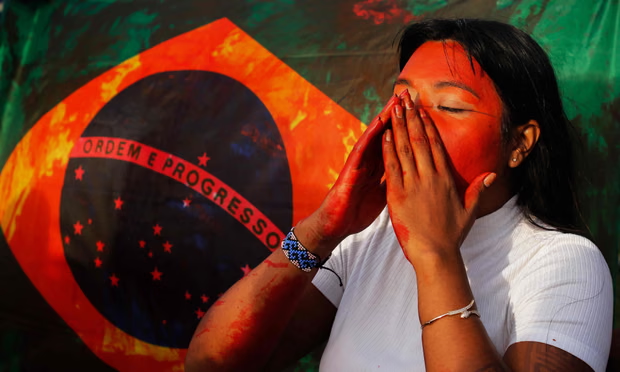
Brazil’s hip-hop scene closed out January 2026 on a strong note. Rap culture across São Paulo, Rio de Janeiro, and Brazil’s regional hubs showed why the country remains one of the most influential hip-hop ecosystems outside the United States. From international tours to grassroots battles and national rap releases, the culture stayed loud, political, and creative.
This month wasn’t defined by just one artist or city. Instead, it reflected the layered nature of Brazilian hip-hop—where mainstream visibility and underground authenticity coexist.
Global eyes were on Brazil as major international artists included the country on their tours, reinforcing its importance as a stop for world-class acts. São Paulo in particular proved it is one of the strongest live-music markets globally, with hip-hop audiences known for their energy and cultural awareness.
This international presence also feeds back into local rap. Brazilian artists consistently draw inspiration from global movements while keeping their sound grounded in Portuguese lyricism, Afro-Brazilian rhythms, and local street narratives. That cultural exchange was visible throughout the month.
Brazilian rap didn’t take a backseat to international acts. Veteran voices and newer artists alike kept Rap Nacional alive with releases, live performances, and social media buzz. Artists associated with conscious rap, trap, and boom-bap continued pushing music into playlists and YouTube rotations. Singles and visual content dominated the timeline, with many rappers focusing on storytelling—covering loyalty, survival, inequality, and identity.
Streaming platforms reflected this activity, with updated Rap Brasil and Trap BR playlists highlighting both established names and rising talent. This shows how Brazilian rap thrives consistently, not just during major release seasons.
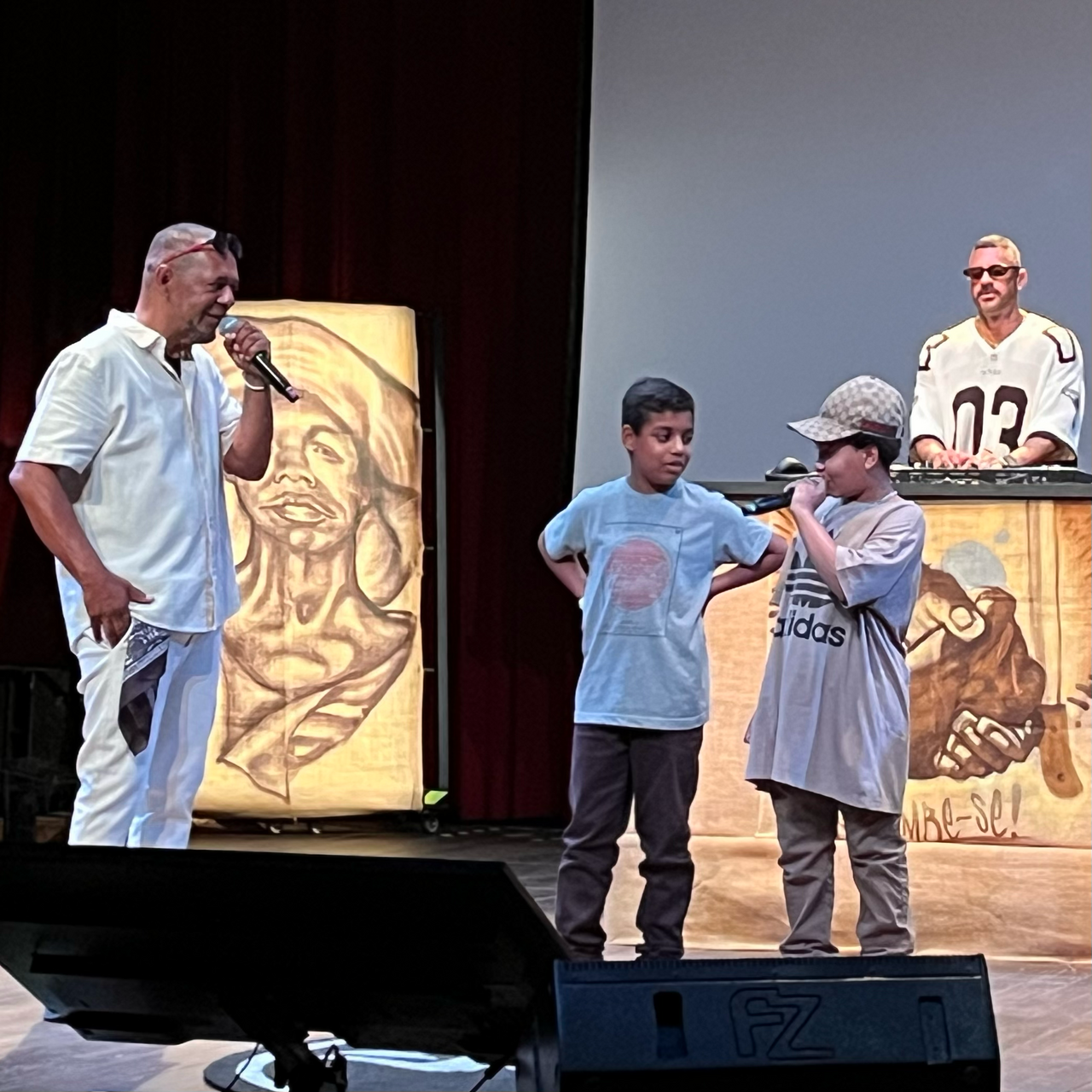
Festivals and live culture were also active, with events like Planeta Atlântida spotlighting rap alongside pop and electronic music, helping normalize hip-hop as a dominant cultural force. Smaller venues and open-air events across São Paulo, Rio, and other regions hosted rap showcases where new artists build loyal fan bases before mainstream recognition.
Street battles continued to shape the culture. Community-driven rap battles and hip-hop events in public spaces reinforced the movement’s grassroots foundation. These battles are platforms for political commentary, social critique, and youth expression. Many of today’s biggest Brazilian rappers sharpened their skills in these circles, keeping the culture vibrant and evolving.
While São Paulo and Rio often dominate headlines, activity across other regions also flourished. Local rap scenes organized events, released music, and built independent networks. This decentralization is one of Brazilian hip-hop’s greatest strengths, allowing regional sounds to travel nationally and internationally, maintaining one of the most diverse rap landscapes in the world.
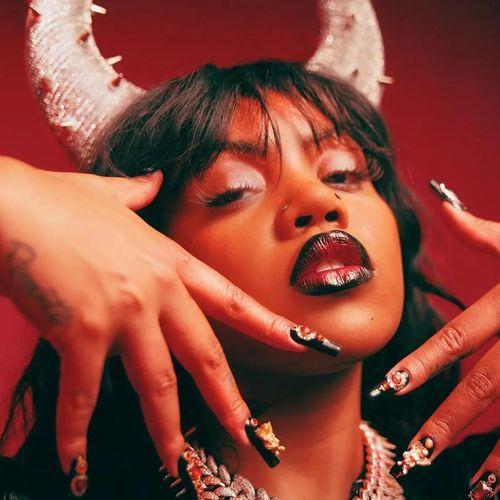
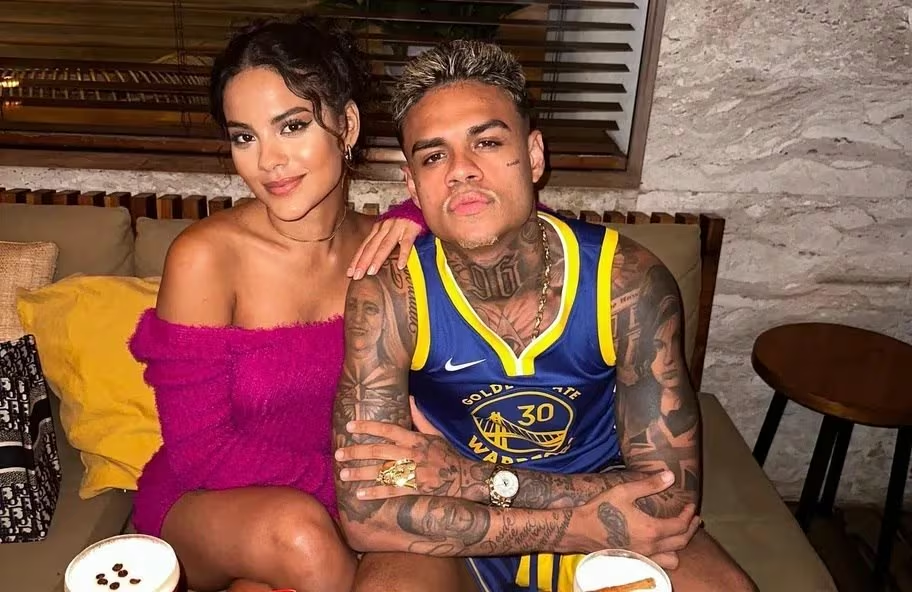
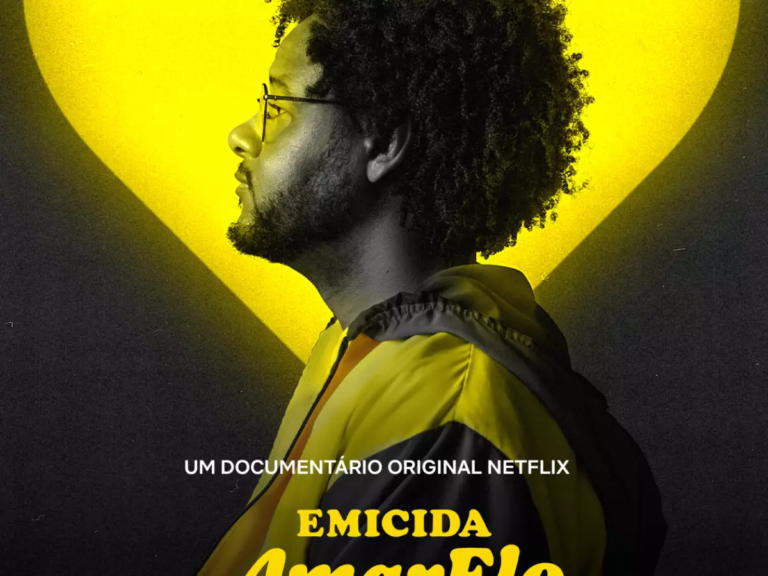
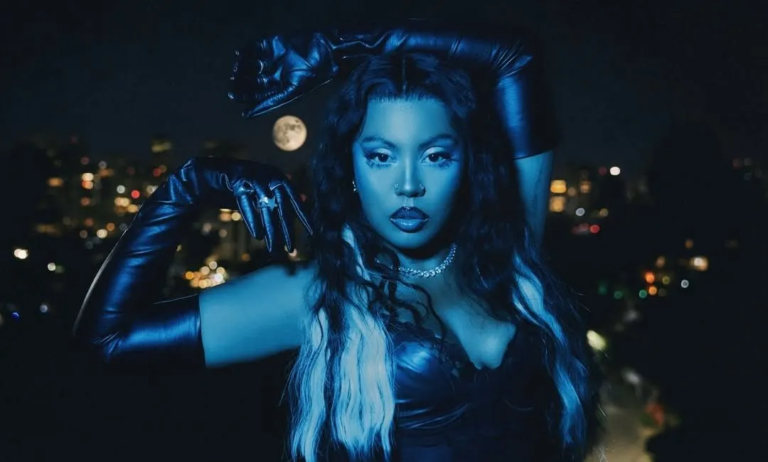
Hip-hop fashion and visuals also played a big role. Music videos, cover art, and social media aesthetics reflected a blend of streetwear, Afro-Brazilian pride, and modern trap influence. Artists leaned into strong visuals to complement their music, knowing that image plays a major role in today’s rap economy.
The month didn’t bring one single headline-dominating album, but it showed consistency. Brazilian hip-hop kept moving, evolving, and expanding its reach. As February approached, the scene felt primed for bigger drops, major tours, and rising artists stepping into wi
About the Author