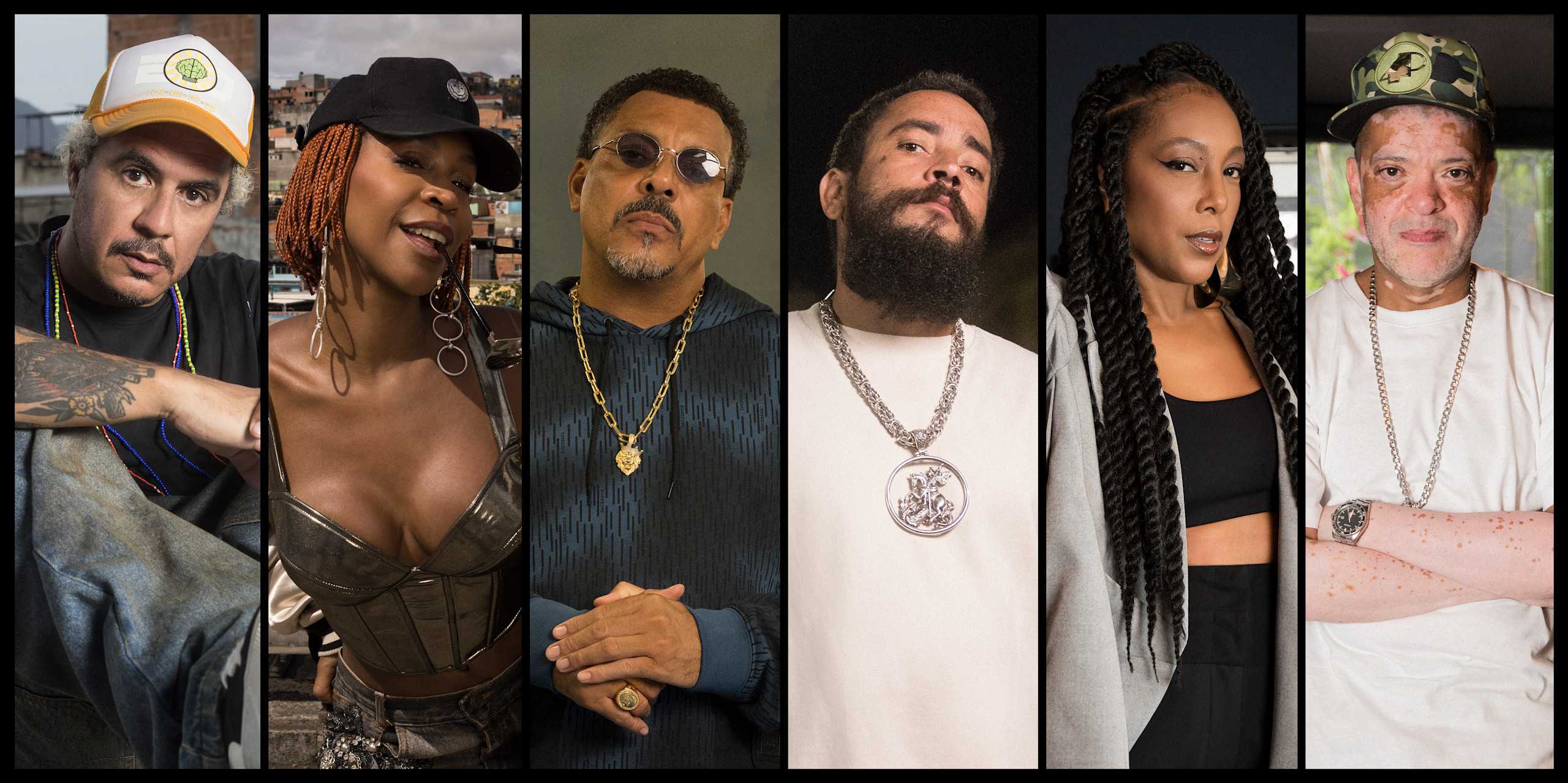
Brazilian hip-hop continues to prove why it’s one of the most dynamic movements in global rap culture. From the streets of São Paulo to the creative hubs of Rio de Janeiro and Belo Horizonte, the scene is evolving fast—blending raw lyricism, trap energy, and funk influence into a sound that feels uniquely Brazilian yet globally relevant.
During this stretch of the year, Brazil’s hip-hop ecosystem saw a powerful mix of chart dominance, underground momentum, and cultural influence that highlights how far the genre has grown.
Brazilian Trap Dominates Streaming Platforms
Trap remains the most dominant force in Brazilian hip-hop, especially on streaming platforms. Artists associated with São Paulo’s gritty street sound continue to rack up millions of plays, proving that the genre’s appeal goes far beyond niche audiences.
Tracks blending aggressive flows, street storytelling, and heavy basslines consistently sit at the top of Brazil’s digital charts. The popularity of these songs reflects a larger trend: Brazilian listeners are deeply connected to music that mirrors real-life struggles, ambition, and survival.
What makes Brazil’s trap wave special is its authenticity. Many artists come directly from the environments they rap about, giving their music emotional weight and cultural credibility that resonates with fans across the country.
São Paulo Remains the Heart of Brazilian Hip-Hop
São Paulo continues to stand as the capital of Brazilian rap. The city’s influence is felt everywhere—from mainstream hits to underground cyphers and battle scenes. Independent artists are thriving thanks to social media, YouTube, and streaming platforms that allow music to spread without traditional industry backing.
Freestyle culture also remains strong. Rap battles across the city serve as launching pads for new talent, keeping lyricism alive even as trap production dominates the mainstream. This balance between bars and beats is a key reason Brazilian hip-hop continues to grow without losing its roots.
Rio de Janeiro Pushes Sound and Culture Forward
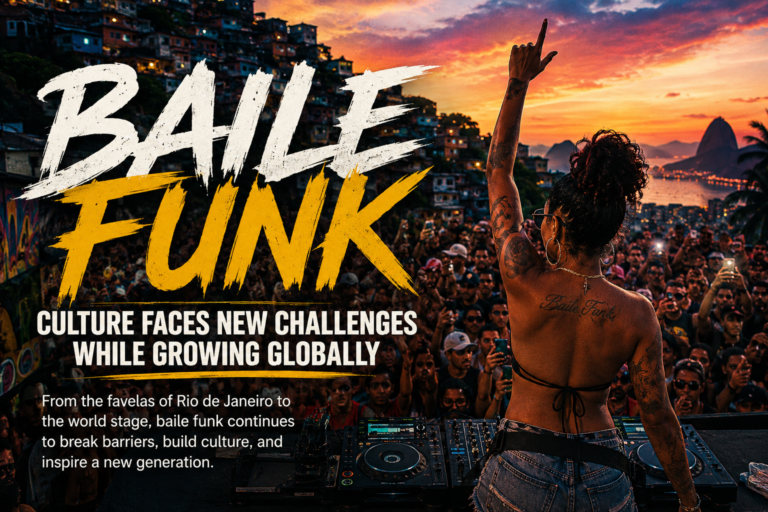
While São Paulo drives much of the rap industry, Rio de Janeiro keeps pushing creative boundaries. Hip-hop events, club nights, and cultural gatherings in Rio increasingly blend rap with funk, Afrobeat, and electronic influences.
This fusion reflects Brazil’s broader musical identity—where hip-hop isn’t boxed into one sound. DJs, producers, and rappers are experimenting freely, creating hybrid styles that appeal to younger audiences while still respecting hip-hop’s foundations.
Rio’s scene also emphasizes performance and vibe. Live shows, DJ-driven events, and collaborative sessions are helping artists build strong local fanbases before breaking out nationally.
Underground Artists Gain Momentum
One of the most exciting aspects of Brazilian hip-hop right now is the rise of underground and independent artists. Many are building careers without major labels, relying instead on digital platforms, visuals, and loyal fan support.
These artists often focus on storytelling, social commentary, and regional identity. Whether addressing inequality, street life, or personal struggles, their music reflects real Brazilian experiences—making it relatable and powerful.
As listeners become more open to discovering new voices, the line between underground and mainstream continues to blur.
Hip-Hop as a Cultural Movement in Brazil
Hip-hop in Brazil has always been more than music. It’s a cultural movement tied to fashion, dance, graffiti, and activism. That spirit remains strong today.
Rap continues to serve as a voice for marginalized communities, especially youth from the favelas and outskirts of major cities. Through lyrics, visuals, and performances, Brazilian hip-hop artists tell stories that often go unheard in mainstream media.
This cultural relevance is a major reason the genre continues to grow. Fans aren’t just consuming music—they’re connecting with messages, identities, and shared realities.
Global Attention on Brazilian Hip-Hop
International interest in Brazilian hip-hop is steadily increasing. As streaming platforms make music more accessible worldwide, global audiences are discovering Brazil’s unique rap sound.
The mix of Portuguese lyricism, trap production, and regional influences sets Brazilian artists apart from their American and European counterparts. This originality is helping Brazil carve its own lane in global hip-hop culture.
Collaborations, playlists, and viral moments are slowly pushing Brazilian rap beyond national borders, signaling even bigger opportunities ahead.
What’s Next for Brazil Hip-Hop?
The future of Brazilian hip-hop looks bright. With trap continuing to dominate, underground artists gaining exposure, and cultural influence remaining strong, the scene shows no signs of slowing down.
As artists keep experimenting and audiences stay hungry for authentic voices, Brazil’s hip-hop movement will likely expand even further—both locally and internationally.
One thing is clear: Brazilian hip-hop is no longer just a regional force. It’s a global sound in the making.
About the Author