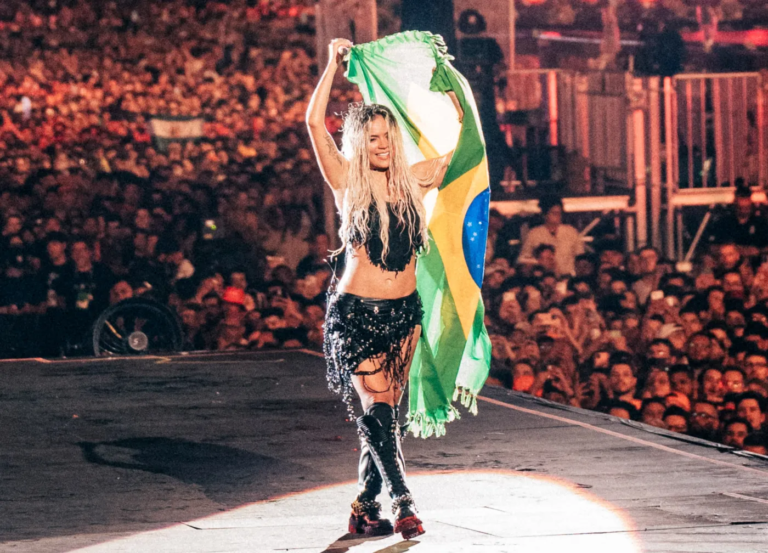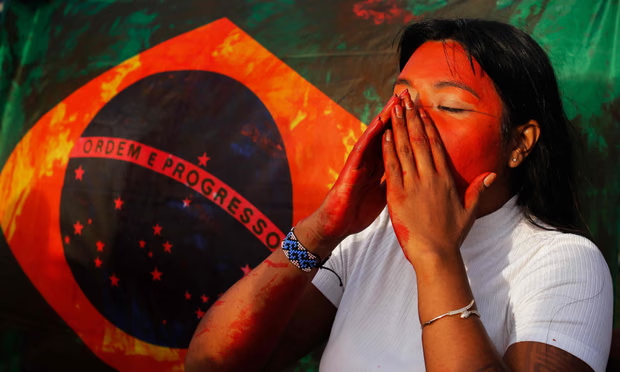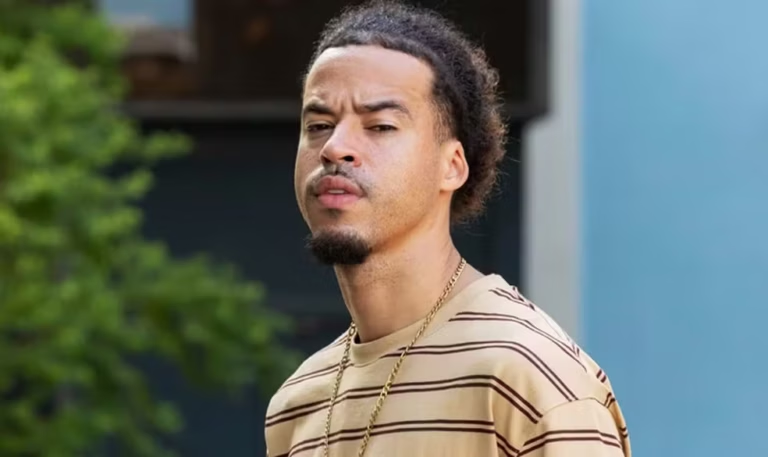
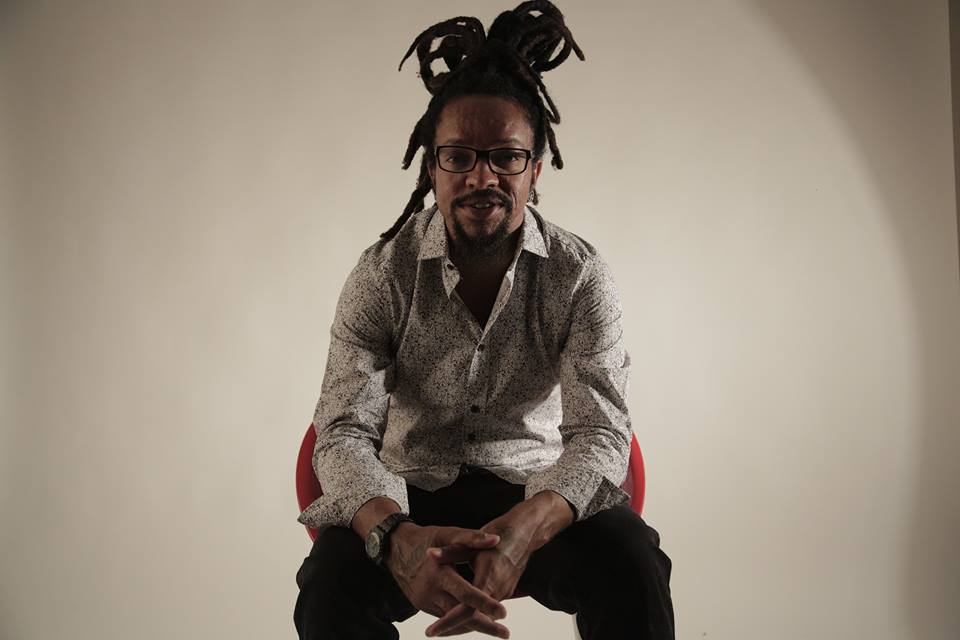
As February closes, Brazil’s hip-hop scene is showing that the future isn’t just about established names—it’s about new voices, collaborations, and experimentation. Emerging artists are making their mark, blending lyrical rap, trap, and Afro-Brazilian influences to create a fresh sound that resonates both locally and internationally.
New Voices Gain Traction
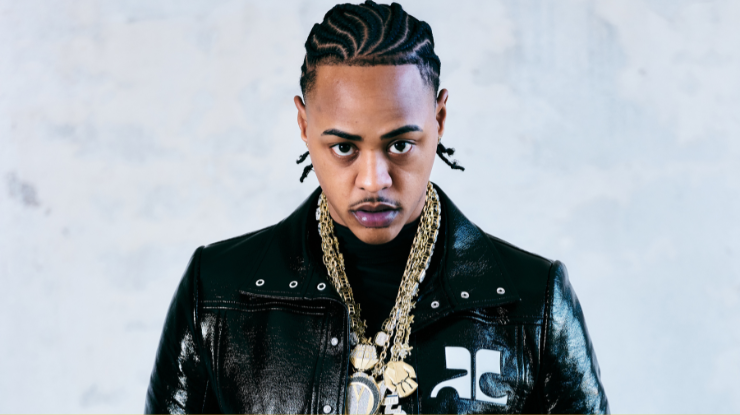
Younger rappers are carving out space online and offline. Platforms like Spotify, YouTube, and TikTok allow these artists to connect with fans directly. Rappers such as Rashid and Dona Onete have been praised for their authentic storytelling and unique rhythms. Their music blends tradition with innovation, reflecting Brazil’s diverse cultural landscape.
Collaboration Culture Expands
Collaborations continue to define the scene. Producers and artists across cities and styles are connecting, blending genres like trap, funk, and conscious rap. These partnerships not only increase reach but also enrich Brazil’s musical identity. Collaborations between established names like Djonga and emerging talent are generating excitement and anticipation for future projects.
The Digital Stage Remains Key
Streaming and social media remain essential for growth. Short-form video platforms help trap and street rap tracks go viral quickly, while long-form playlists build loyal audiences. Artists who can balance viral moments with sustained storytelling are the ones gaining lasting recognition.
Lyrical Rap and Trap Coexist
This week highlighted the healthy balance between lyrical rap and trap. While trap continues to dominate digital platforms, conscious rap maintains a loyal and engaged audience. The coexistence of these sub-genres reflects the maturity of Brazil’s hip-hop ecosystem and its ability to support multiple artistic directions simultaneously.
Cultural Influence Beyond Music
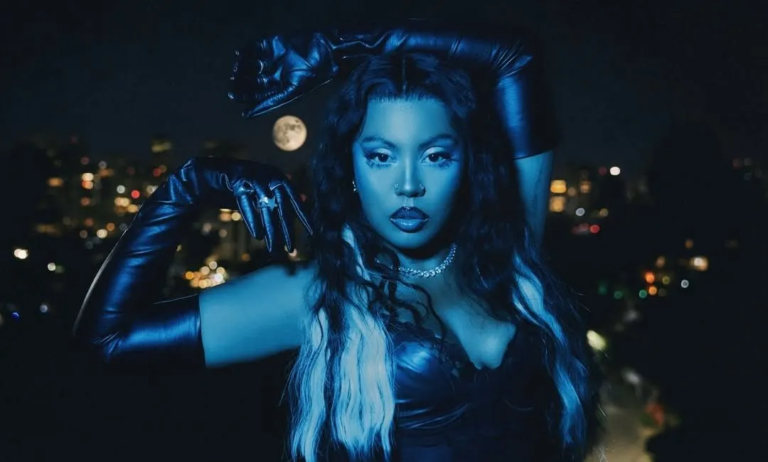
Artists are also using fashion, social media, and visual storytelling to extend their cultural influence. Groups like Tasha & Tracie exemplify how hip-hop in Brazil is evolving into a holistic cultural movement—one that combines music, identity, and style in a way that resonates with the next generation.
Final Word
As February ends, it’s clear that Brazil’s hip-hop future belongs to both new talent and established voices working together. Strategic collaborations, strong independent growth, and creative experimentation ensure the scene remains dynamic and culturally relevant. The next wave of releases promises innovation, influence, and a continuation of Brazil’s hip-hop dominance.
About the Author