Brazil’s hip-hop scene in the final week of March wasn’t just active — it was global, political, and evolving fast. From massive festival stages to chart-topping funk records and underground tension in the favelas, the culture is expanding while still fighting for its roots.
Lollapalooza Brazil Brings Hip-Hop to the Spotlight
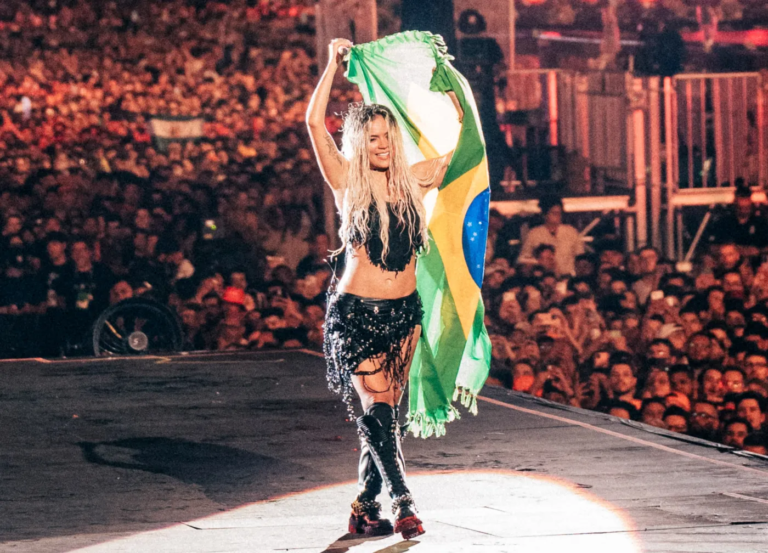
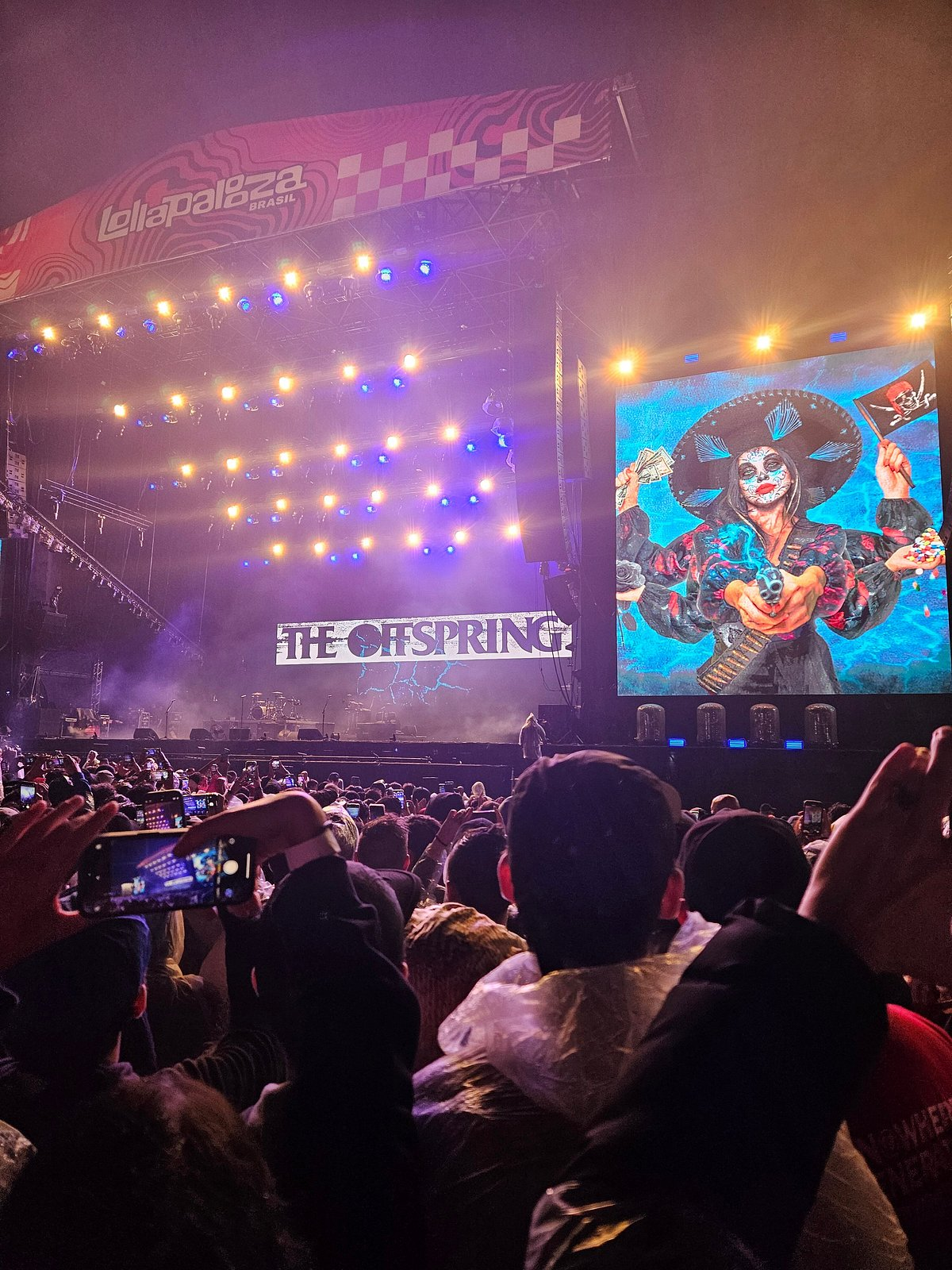
One of the biggest cultural moments came from .
- performed live on March 21
- The festival blended international rap energy with Brazilian sounds
- Thousands attended, showing how hip-hop continues to dominate major stages
This moment reflects something bigger: Brazil is no longer just exporting hip-hop — it is hosting global hip-hop culture at scale.
Baile Funk Still Running the Streets — But Under Pressure
Baile funk continues to dominate Brazil’s hip-hop ecosystem, especially in cities like and .
- The sound is now global, influencing clubs, DJs, and digital culture worldwide
- New-generation artists are experimenting with phonk, trap-funk, and hybrid styles
- Authorities are increasingly cracking down on favela parties and sound systems
This contradiction defines Brazil right now: the culture is winning internationally while facing restrictions at home.
Charts: Funk and Rap Still Dominating Brazil
Late March charts show how strong the scene is:
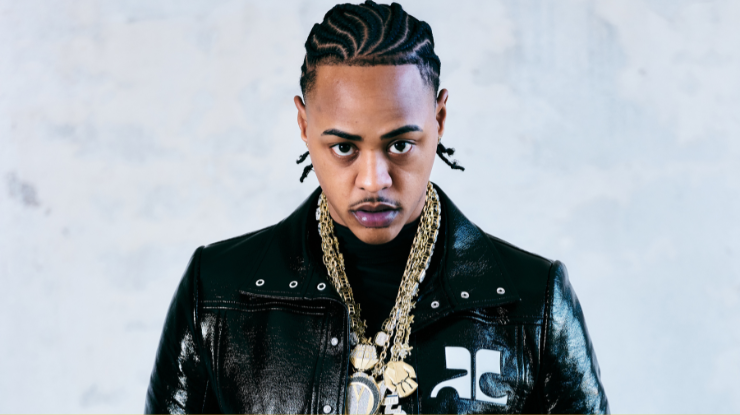
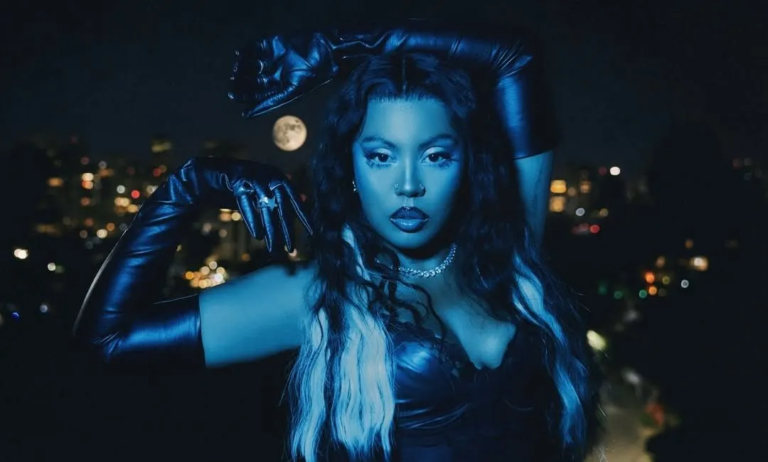
- “Jetski” – , and
- “Eu Te Seguro” – (reached number one around March 28)
These records reflect a fusion of rap, funk, and pop dominating Brazilian airwaves.
The key takeaway is clear: Brazilian hip-hop is no longer confined to traditional rap — it has evolved into a hybrid mainstream sound.
New Wave Artists and Underground Movement
Outside the mainstream charts, the underground remains highly active.
These artists continue to push new releases and shape the next phase of the culture.
Key trends emerging in late March include:
- Drill-influenced Brazilian rap
- Phonk and funk crossovers
- Raw storytelling rooted in favela life
The new generation is driven less by labels and more by internet virality and independence.
Culture Shift: Hip-Hop as a Voice of the Youth
Brazilian hip-hop continues to function as more than entertainment.
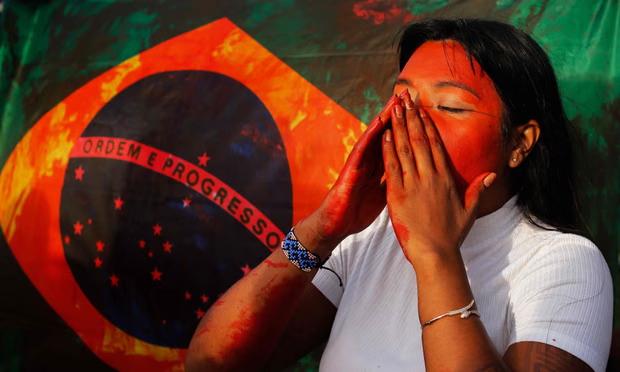
- It addresses inequality, policing, and life in the favelas
- Rap battles and cyphers remain active in cities like
- Young artists use hip-hop as a tool for expression, resistance, and identity
The culture maintains its core purpose: reflecting real-life experiences and social realities.
Global Influence Is Peaking
Brazil is currently one of the most influential hip-hop ecosystems globally.
- Baile funk is shaping international club music
- Brazilian producers are influencing Afro, trap, and electronic scenes
- The “Brazilcore” aesthetic continues to trend worldwide
From local neighborhoods to international platforms, the sound is spreading rapidly.
The Reality of Late March
The final week of March presents two parallel realities:
Growth:
- Major festival exposure
- Strong chart performance
- Expanding global influence
Struggle:
- Increased government pressure on street culture
- Ongoing challenges for grassroots communities
This tension is central to understanding Brazil’s current hip-hop landscape.
Final Take
Brazilian hip-hop is not just rising — it is redefining global sound and culture.
At the same time, the communities that built the movement continue to face challenges in preserving their space and voice.
That balance between growth and resistance is what will shape the next phase of Brazil’s hip-hop scene.
About the Author