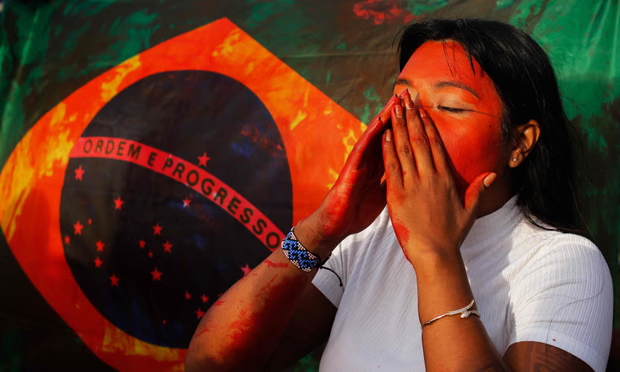
Brazil’s hip-hop scene has evolved into one of the most powerful movements in global rap culture. What started as underground expression in São Paulo’s streets and Rio de Janeiro’s favelas has now turned into a massive industry blending trap, drill, conscious rap, and funk-driven flows. In 2026, Brazil is no longer following trends — it’s exporting them.
The Trap Wave Dominating Brazil
The biggest force shaping modern Brazilian hip-hop is trap music. Heavy 808s, melodic hooks, and street storytelling dominate the charts and streaming platforms. Artists like Matuê have been central in pushing the genre into mainstream success. His melodic trap style and psychedelic production have influenced a whole generation of new rappers.
Alongside him, Teto and Veigh represent the new-school wave. They focus on emotional storytelling, youth struggles, luxury dreams, and street survival, often blending singing and rap in a way that appeals to both hardcore fans and mainstream listeners.
Another major voice in trap is L7nnon, who bridges funk, trap, and pop influence. His versatility has made him one of the most streamed artists in Brazil, especially among younger audiences.
Conscious Rap Still Holds Ground
While trap dominates the charts, Brazil’s conscious rap scene remains deeply respected. Artists like Emicida continue to represent lyrical depth, social commentary, and cultural identity.
Emicida’s work often explores racial inequality, history, and the lived experience of Black Brazilians. His influence extends beyond music into education and cultural activism.
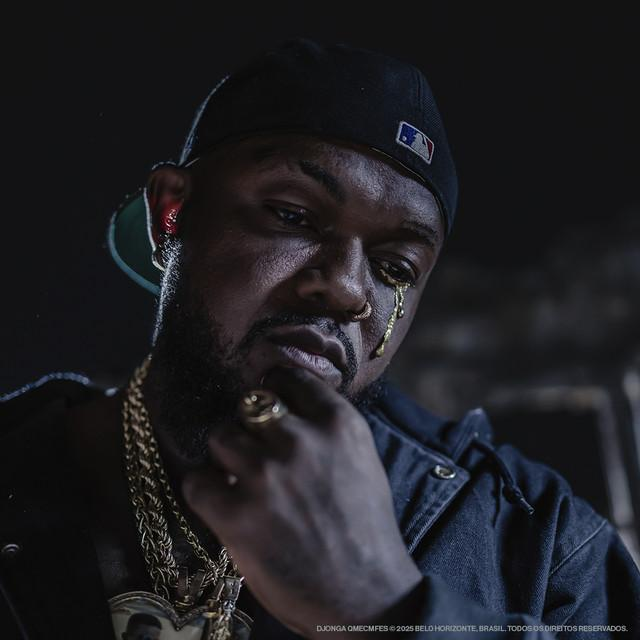
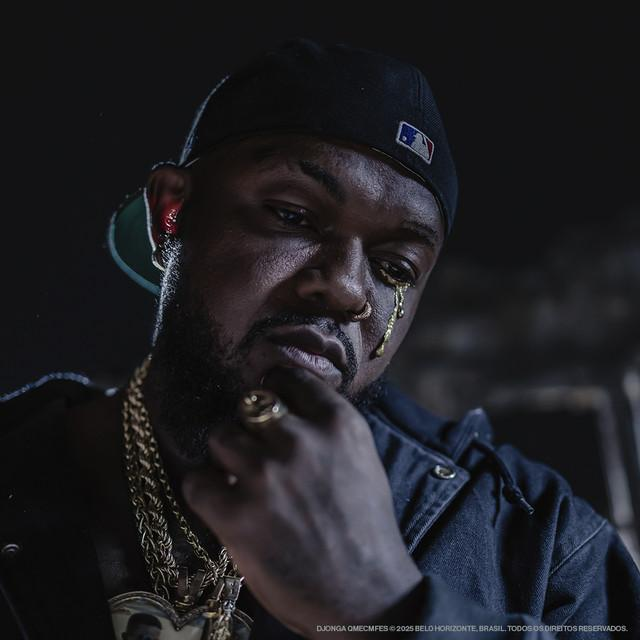
Similarly, Djonga has become one of the most powerful voices in modern Brazilian rap. Known for sharp lyricism and emotional intensity, Djonga blends personal struggle with political awareness, making his music resonate across generations.
Another important figure is BK’, whose poetic writing style and reflective storytelling have earned him a loyal fanbase. His music often explores identity, spirituality, and life in urban Brazil.
Drill Influence and Street Energy
Brazil has also started absorbing drill influences from the UK and US scenes. While not as dominant as trap, drill-inspired beats and darker aesthetics are appearing in Rio and São Paulo underground circles.
Artists such as Orochi and MC Cabelinho have incorporated aggressive flows, street narratives, and cinematic visuals into their music, pushing a more intense sound that reflects favela realities.
These artists often blend drill energy with Brazilian funk elements, creating a hybrid sound that feels both global and local.
Cyphers and Freestyle Culture
Cyphers remain a core part of Brazilian hip-hop identity. Platforms like street battles, online freestyle sessions, and YouTube cypher videos have helped launch many careers.
Brazilian cyphers are known for their raw energy, technical skill, and emotional delivery. They are often the first space where underground rappers gain recognition before breaking into streaming success.
This freestyle culture continues to fuel competition and creativity, keeping the scene fresh and unpredictable.
The Role of Funk in Hip-Hop Evolution
One unique aspect of Brazilian hip-hop is its deep connection with funk carioca. Unlike many countries where hip-hop and local dance music remain separate, Brazil constantly blends the two.
This fusion has allowed rappers to experiment with rhythm, tempo, and vocal delivery, making the Brazilian sound instantly recognizable on the global stage.
Shows, Festivals, and Mainstream Growth
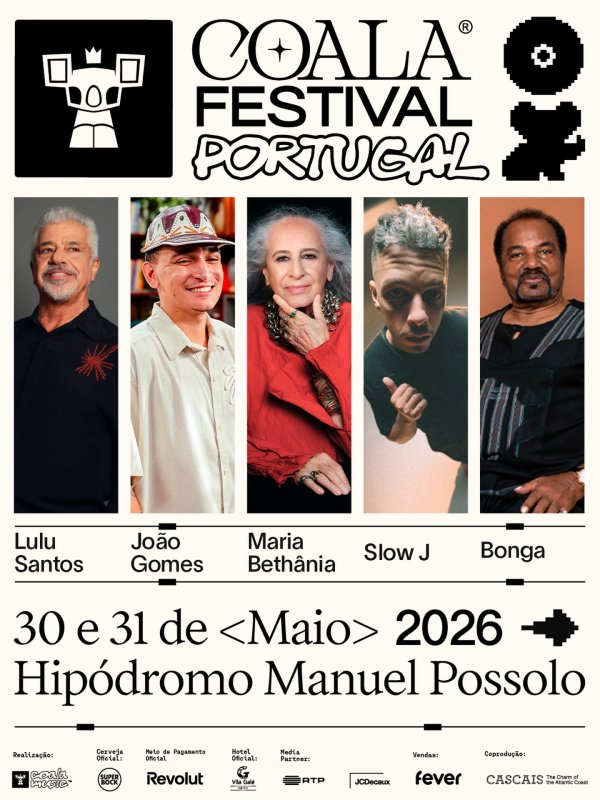
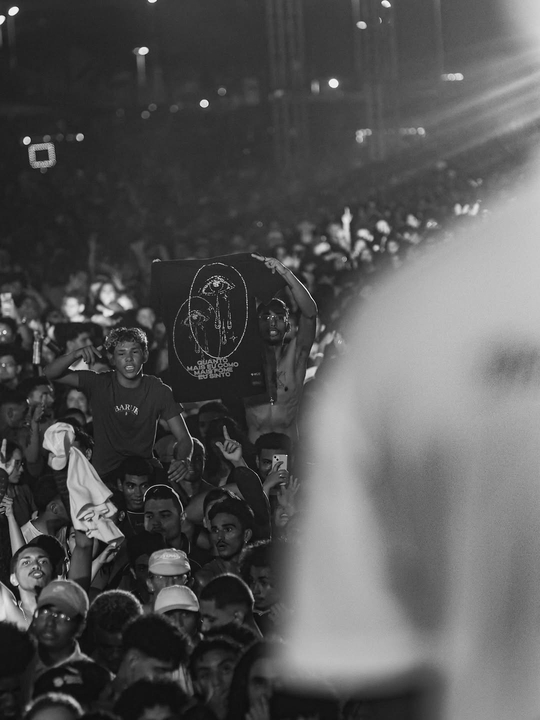
Live performances and festivals are now a major part of Brazil’s hip-hop expansion. Large-scale shows in São Paulo and Rio regularly sell out, featuring a mix of trap stars, funk artists, and lyrical rappers.
Streaming success has also helped Brazilian hip-hop cross borders, especially in Portugal and parts of Europe where Portuguese-speaking audiences are growing rapidly.
The New Generation Taking Over
A new wave of independent artists is also rising through TikTok, YouTube, and SoundCloud. These younger rappers are less tied to traditional labels and more focused on viral growth and digital presence.
They are experimenting with hyper-melodic trap, emotional storytelling, and even lo-fi rap, expanding the boundaries of what Brazilian hip-hop can be.
Final Outlook
Brazilian hip-hop in 2026 is a layered ecosystem. Trap dominates commercially, conscious rap preserves lyrical depth, and underground scenes keep innovation alive. With artists like Matuê, Djonga, and Veigh shaping different sides of the culture, Brazil is no longer just participating in global hip-hop — it is actively redefining it.
The next few years will likely see even more international collaborations, genre fusion, and digital-driven breakout stars emerging from Brazil’s rapidly evolving rap landscape.
About the Author