
Byline: Eli Jesse
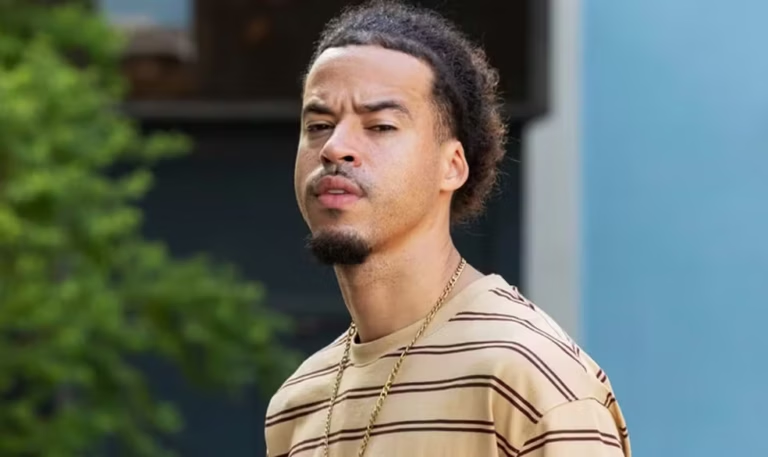
Brazilian hip-hop continues evolving at a fast pace, but one name still dominating conversations across the country is Veigh. The São Paulo rapper has remained one of the strongest voices in Brazil’s modern trap scene, with fans and artists continuing to rally around the energy created by his hit track “Ballena.”
From street playlists to TikTok edits and late-night car speakers, “Ballena” has become one of those records that represents the current sound of Brazilian youth culture. The track keeps pulling attention not only because of its production, but also because of Veigh’s melodic storytelling style that blends pain, ambition, street reality, and luxury rap aesthetics into one sound.
Veigh’s Influence Keeps Growing In São Paulo
Over the past year, Veigh has slowly transformed from a rising name into one of the faces of Brazil’s trap movement. His sound reflects the atmosphere of São Paulo streets while still feeling polished enough for mainstream audiences.
What separates Veigh from many newer rappers is his ability to move between emotional melodies and hard street talk without sounding forced. Fans connect heavily with that balance, especially younger listeners who see his music as both motivational and relatable.
Many upcoming Brazilian rappers are now adopting:
- melodic trap hooks
- emotional storytelling
- darker atmospheric beats
- luxury-inspired visuals
- introspective lyrics about survival and success
That influence can now be heard across Brazil’s underground trap scene.
“Ballena” Became Bigger Than Just A Song
The success of “Ballena” pushed Veigh even deeper into mainstream Brazilian hip-hop discussions. The track became a social media favorite thanks to:
- viral edits
- nightlife playlists
- car culture videos
- fashion content
- street dance clips
Its replay value helped it survive longer than many fast-moving trap releases.
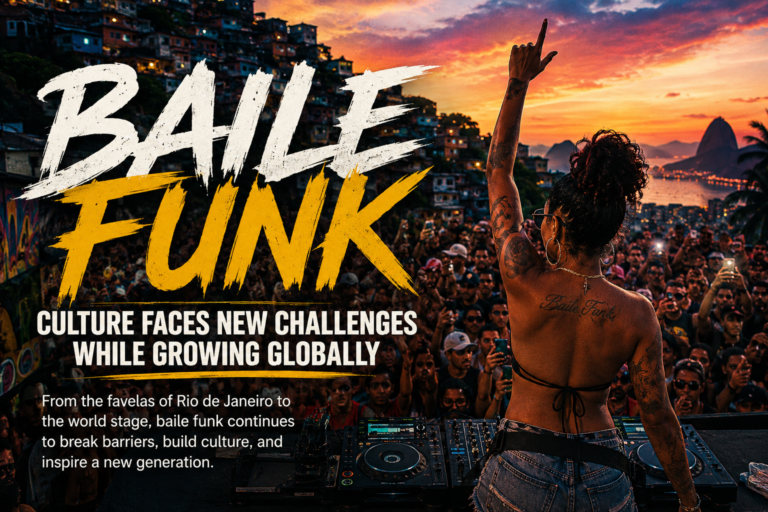
The production style also reflects where Brazilian rap is heading right now — heavy bass, melodic vocals, emotional atmosphere, and strong crossover appeal between trap and baile funk culture.
Brazilian Trap Is Becoming More Global
Brazil’s rap scene is no longer being ignored internationally. Artists like Veigh are helping introduce global audiences to the country’s unique blend of:
- trap
- drill
- funk carioca
- melodic rap
- street fashion culture
Streaming platforms and social media have helped Brazilian artists grow beyond local audiences faster than ever before. More international listeners are now discovering Brazilian rap through viral clips instead of traditional music industry promotion.
The rise of “Trapfunk” — a fusion of trap and baile funk — continues shaping the entire sound of the country’s hip-hop movement.
The New Generation Is Watching Veigh Closely
A huge reason Veigh’s name keeps appearing in hip-hop discussions is because younger artists see him as proof that Brazilian trap can become globally respected while still sounding local.
His visual style, flow patterns, and storytelling approach are now influencing:
- underground rappers
- fashion creators
- nightlife culture
- social media creators
That level of influence is difficult to maintain in today’s fast-moving music industry, especially in a scene as competitive as Brazil’s current rap movement.
Brazil’s Hip-Hop Future Looks Massive
As Brazilian hip-hop keeps expanding internationally, artists like Veigh are becoming central figures in the movement. His continued momentum with “Ballena” shows how powerful São Paulo’s trap scene has become in shaping modern Brazilian music culture.
With new artists entering the game every month and trapfunk continuing to explode online, Brazil’s rap scene may become one of the most influential global hip-hop markets of this generation.
About the Author