 brazil hiphop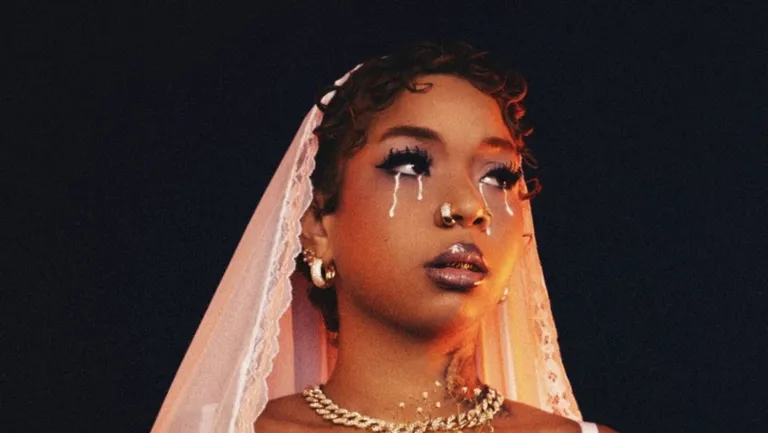
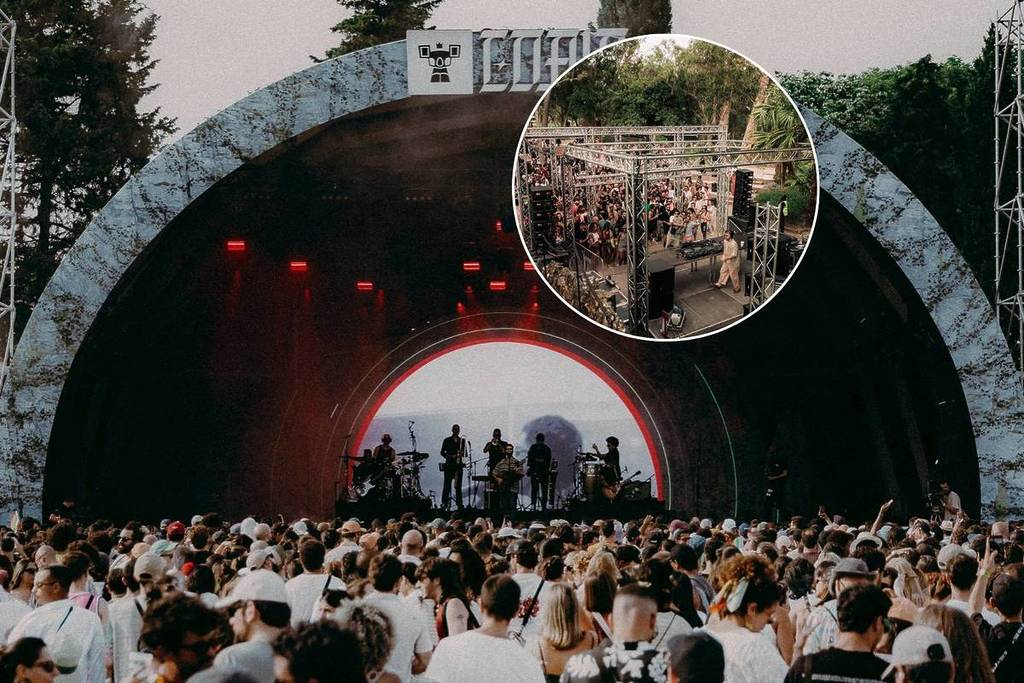
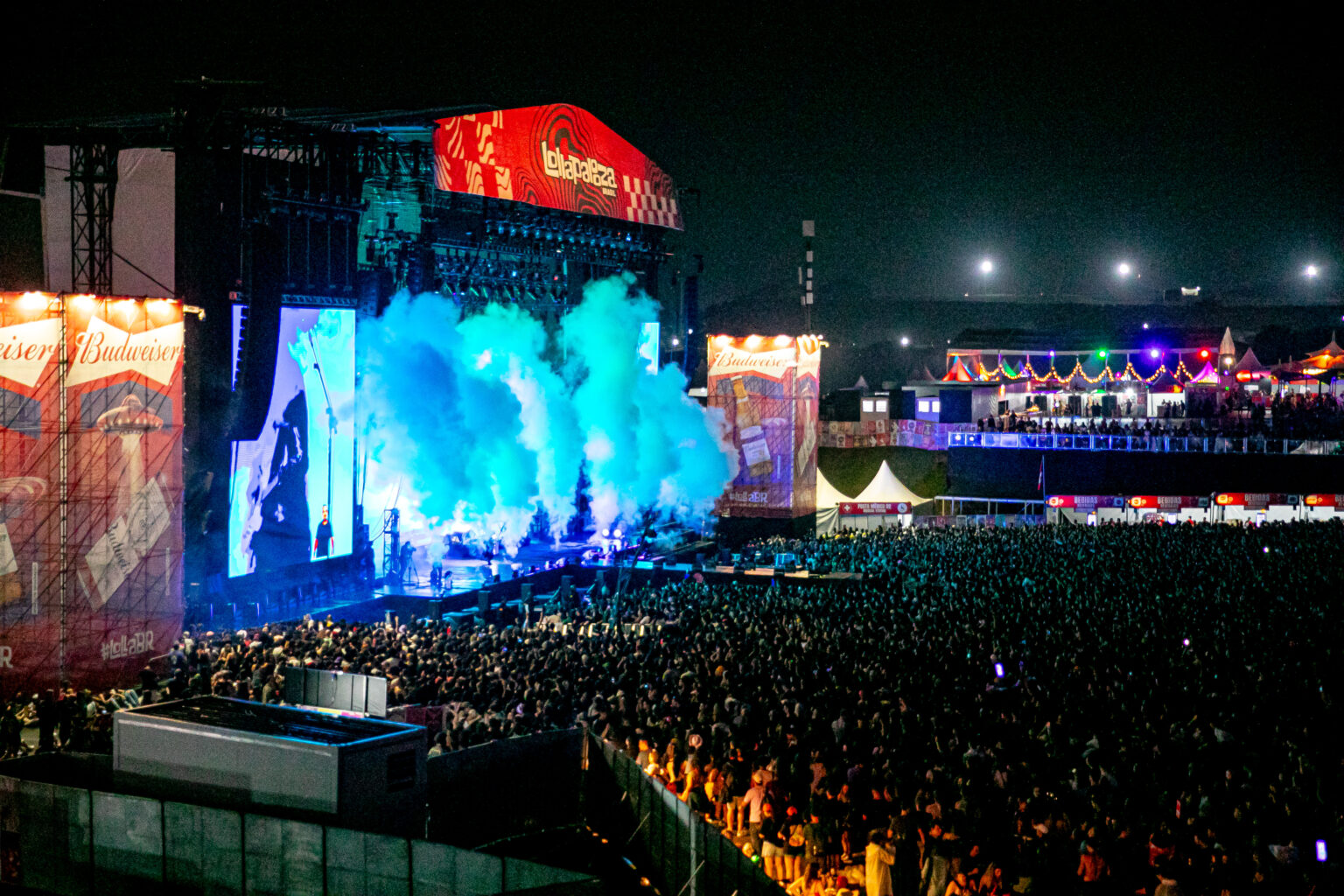
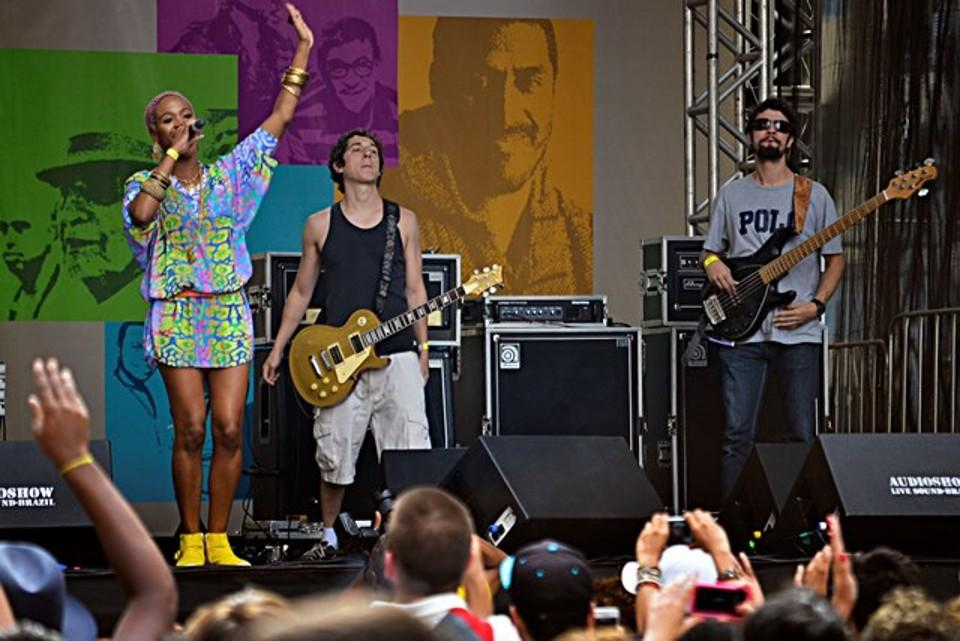
Brazil’s hip-hop and funk scene continues to evolve, and one of the most defining moments of WME 2026 came at its closing night, where rappers Stefanie and Nanda Tsunami took center stage.
Their performance marked not just the end of the program, but a symbolic statement about the rising presence of women in Brazil’s urban music landscape. The closing set was widely discussed as a highlight of the event, reflecting how female artists are increasingly shaping the direction of hip-hop and funk culture in the country.
A Closing Set That Carried Cultural Weight
WME 2026’s final night was not just another festival ending. It became a cultural moment that reflected the ongoing transformation within Brazilian hip-hop.
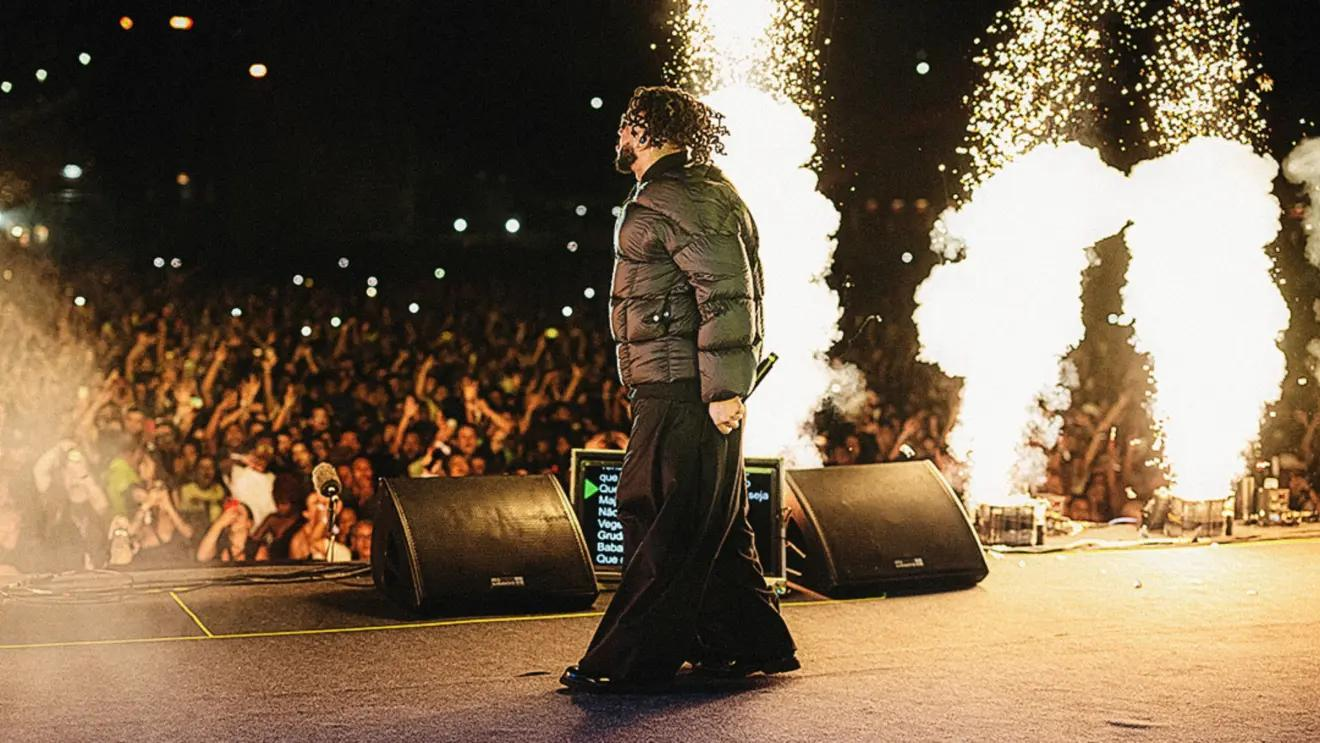
Stefanie and Nanda Tsunami delivered a performance that blended energy, lyricism, and stage presence. Their set was built on:
- hard-hitting trap-influenced beats
- funk carioca rhythmic intensity
- confident lyrical delivery
- strong audience engagement
Rather than simply performing individual tracks, the artists curated a closing experience that felt intentional and symbolic. It was a moment that highlighted both artistic skill and cultural identity.
The crowd response reflected the importance of the performance, with many describing it as one of the most memorable parts of the entire program.
Women Taking Space in Brazilian Hip-Hop and Funk
The appearance of Stefanie and Nanda Tsunami as closing performers represents a broader shift happening in Brazil’s music industry.
Historically, hip-hop and funk spaces in Brazil—like many global rap scenes—have been male-dominated. However, in recent years, more women have stepped into leading roles as:
- rappers
- vocalists
- producers
- cultural curators
Artists like Stefanie and Nanda Tsunami are part of a new wave that is reshaping expectations of who leads in hip-hop spaces.
Their presence at the closing of a major program like WME 2026 signals that female artists are no longer positioned at the margins—they are now central to the culture.
The Sound of a New Generation
Musically, the closing performance reflected the hybrid direction of modern Brazilian hip-hop.
The set moved between:
- aggressive rap verses
- funk-inspired rhythms
- trap-style production elements
- melodic hooks and chant-style delivery
This blend reflects the current evolution of Brazilian urban music, where genres are no longer separated but constantly merged.
Stefanie’s delivery brought sharp lyrical control, while Nanda Tsunami added rhythmic flow and intensity, creating a balance that felt both polished and street-rooted.
Together, they represented two sides of the same movement: lyrical strength and raw performance energy.
WME 2026 and Its Role in the Culture
WME 2026 has been positioned as more than just a music program. It functions as a platform that highlights emerging trends and cultural shifts in Brazil’s music industry.
This year’s edition placed a strong emphasis on representation, diversity, and the evolution of urban music genres. The closing performance by Stefanie and Nanda Tsunami aligned directly with this vision.
By giving women artists the responsibility of closing the program, the event sent a clear message: female voices are not supplementary—they are foundational to the current and future identity of Brazilian hip-hop.
Audience Reaction and Industry Impact
Following the performance, discussions across social platforms and music communities focused heavily on the visibility of women in rap.
Many fans highlighted how rare it still is for female rappers to headline major closing slots in large-scale events. The WME 2026 decision therefore stood out as both progressive and symbolic.
Industry observers also noted that moments like this often lead to:
- increased bookings for female artists
- stronger label investment in women-led projects
- greater visibility in mainstream media coverage
- expanded international interest in Brazilian female rap talent
For emerging artists, performances like this create pathways that were previously harder to access.
Stefanie and Nanda Tsunami: Different Styles, Shared Impact
While both artists share the same stage, their styles bring different textures to Brazilian hip-hop.
Stefanie is often associated with structured rap delivery and lyrical precision, while Nanda Tsunami brings a more explosive, rhythm-driven performance style rooted in funk energy and street performance culture.
This contrast is part of what made the closing set effective. Instead of competing for attention, the two styles complemented each other, creating a dynamic performance that reflected the diversity of modern Brazilian rap.
Their collaboration also reflects a broader truth about the current scene: success in Brazilian hip-hop is increasingly built on collaboration, not isolation.
The Bigger Picture: A Changing Industry
The closing of WME 2026 with Stefanie and Nanda Tsunami is not an isolated moment—it is part of a larger shift in Brazilian music culture.
Female artists are gaining:
- more stage time at major festivals
- stronger streaming performance
- increased collaboration opportunities
- recognition as cultural leaders
As hip-hop continues to grow in Brazil, the presence of women at the center of major events signals a more balanced and diverse future.
This evolution mirrors global trends but carries its own local identity, shaped by funk carioca, regional storytelling, and Brazil’s unique musical ecosystem.
Conclusion: A Closing That Looked Forward, Not Back
The WME 2026 closing performance by Stefanie and Nanda Tsunami was more than a festival finale—it was a statement about where Brazilian hip-hop is heading.
It highlighted the rise of women in a space that is rapidly expanding and redefining itself. It also showed that female artists are not just participating in the culture—they are actively shaping its direction.
As Brazilian hip-hop continues to grow globally, moments like this will likely be remembered as turning points where visibility, representation, and artistry came together on one stage.