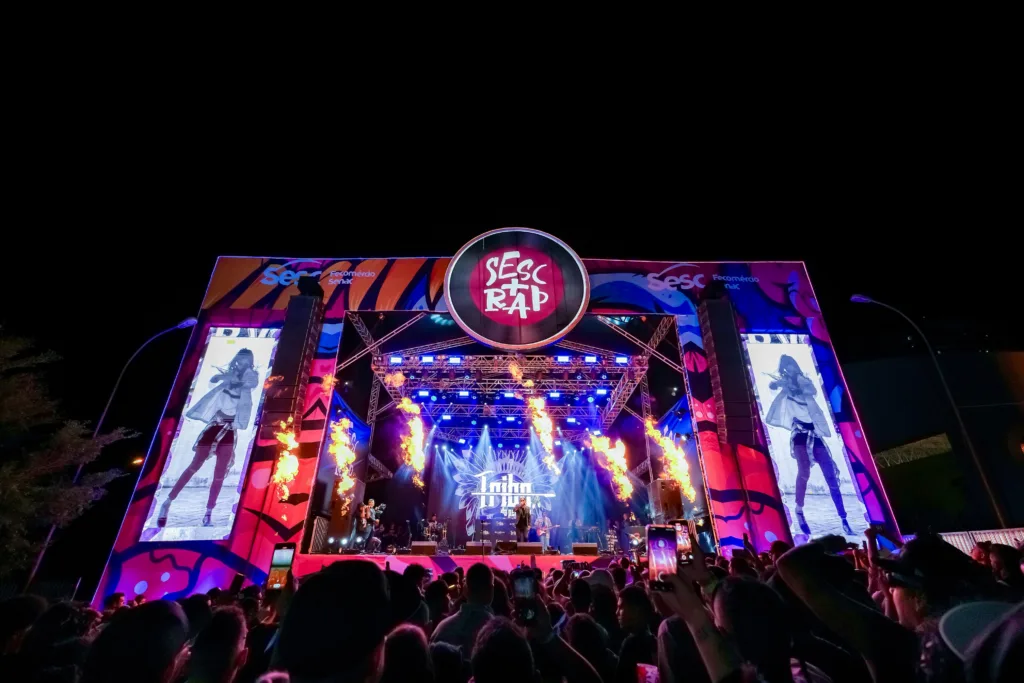
Brazilian hip-hop is set for a major gathering in Ceilândia, Brasília, as the fourth edition of the Sesc + Rap Festival brings together some of the country’s most important rap voices on August 29.
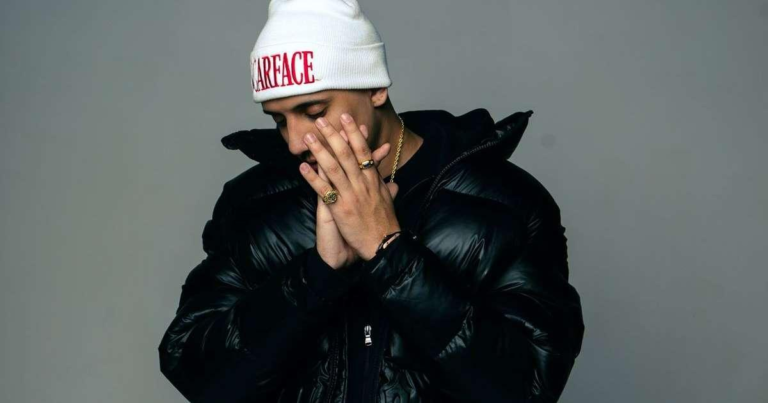
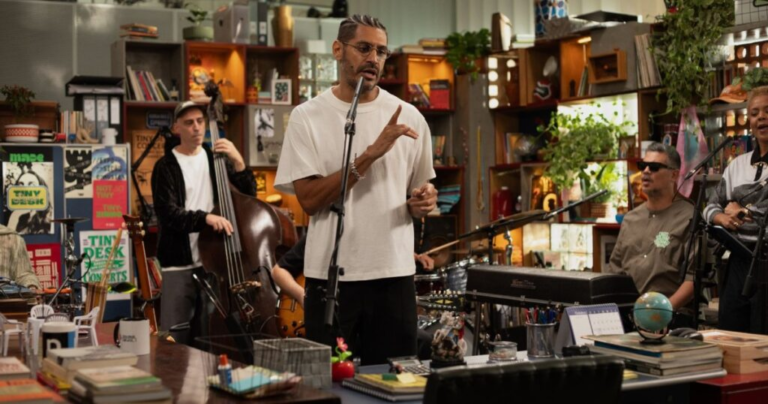
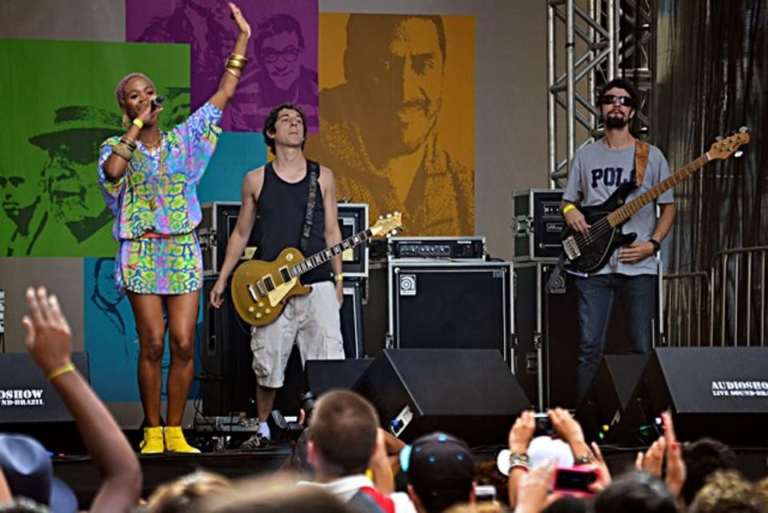
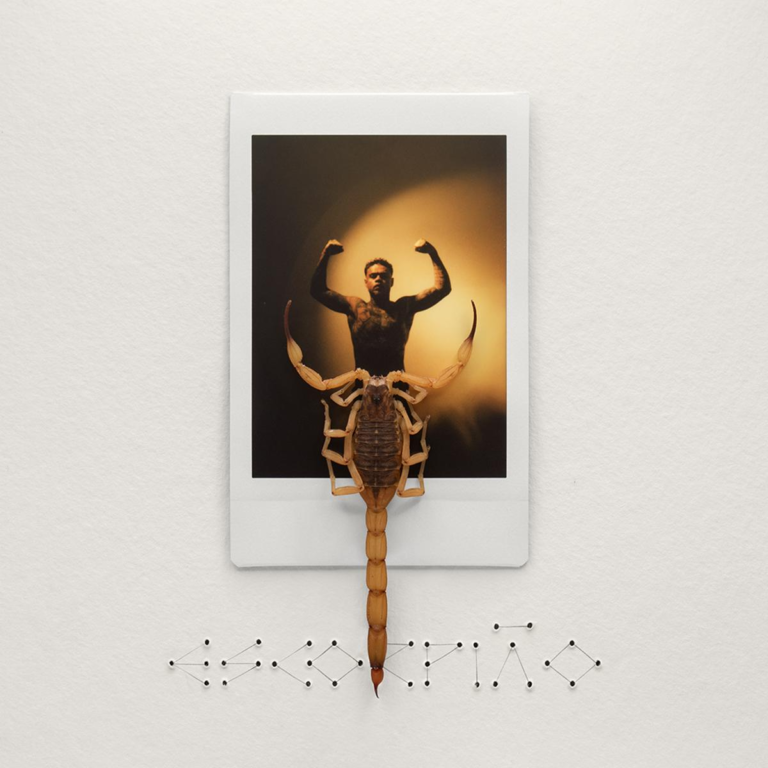
The free festival will take place at the parking area of Sesc Ceilândia, with Djonga, Duquesa, Ndee Naldinho and Brasília’s own Viela 17 among the main attractions. The lineup brings together artists from different generations of Brazilian hip-hop, creating a meeting point between the culture’s pioneers, established voices and newer artists.
For Brazilian rap, the significance of the lineup goes beyond the names on the poster.
Ndee Naldinho represents an earlier generation of São Paulo hip-hop. The rapper began his career in the late 1980s and has remained connected to the development of Brazilian rap for decades. His appearance alongside younger artists such as Djonga and Duquesa gives the festival a chance to show how the country’s hip-hop movement has evolved across generations.
Djonga, meanwhile, has become one of the defining voices of contemporary Brazilian rap. The Minas Gerais rapper has built a reputation for music that addresses racism, social inequality and life in the periphery, making him one of the country’s most prominent representatives of socially conscious rap.
Duquesa brings another perspective to the lineup. Originally from Feira de Santana, Bahia, the rapper has become one of the prominent names of Brazil’s newer generation, moving between rap, trap and R&B influences. Her growing presence also reflects the increasing visibility of women in Brazil’s hip-hop scene.
Then there is Viela 17, whose presence gives the festival a particularly strong connection to its host community. The group emerged in Ceilândia in 2000 and has spent more than two decades contributing to the development of Brasília’s rap scene. Having the group perform in its own territory makes the festival more than a stop on a national concert circuit—it becomes a celebration of the local culture that helped shape Brazilian hip-hop.
More Than a Rap Festival
Sesc + Rap is also designed to showcase hip-hop as a culture rather than simply a music genre.
Alongside the concerts, the 2026 edition will feature graffiti workshops, breaking performances, freestyle battles, conversations, activities connected to marginal literature and other forms of urban culture. Free services including braiding and makeup will also be available.
That broader programming is particularly important in Ceilândia, an area with a long history of peripheral cultural production in Brazil’s Federal District.
The festival’s organizers describe the event as a way of bringing national artists together with artists and cultural workers from Brasília while creating space for different generations and styles of hip-hop to interact.
The event has also grown considerably since its launch. According to Sesc-DF, the 2024 edition attracted around 10,000 people, while the 2025 edition, headlined by Hungria, drew approximately 15,000. Organizers are expecting a similar audience for this year’s festival.
A Free Festival With a Community Focus
Another major part of Sesc + Rap’s appeal is that admission is free.
Attendees can obtain tickets by donating one kilogram of non-perishable food per ticket, with the collected food going to the Sesc Mesa Brasil program. Each person can collect up to two tickets, subject to availability.
Ticket distribution began earlier this month through Sesc locations in the Federal District and is scheduled to continue through August 28, or until the available tickets run out.
With Djonga representing contemporary Brazilian rap, Duquesa representing its rapidly developing new generation, Ndee Naldinho bringing decades of experience and Viela 17 representing the local history of Ceilândia, Sesc + Rap 2026 is shaping up as a snapshot of where Brazilian hip-hop has been and where it is going.
The festival takes place August 29 at Sesc Ceilândia in Brasília, bringing thousands of fans together for a day that puts rap, breaking, graffiti, freestyle and peripheral culture at the center of the stage.
About the Author