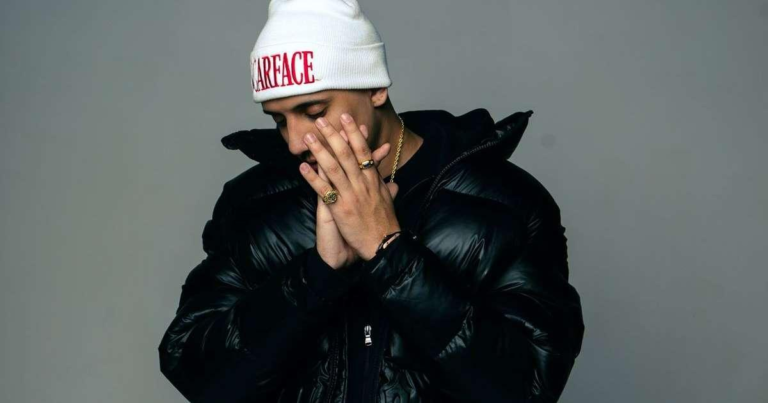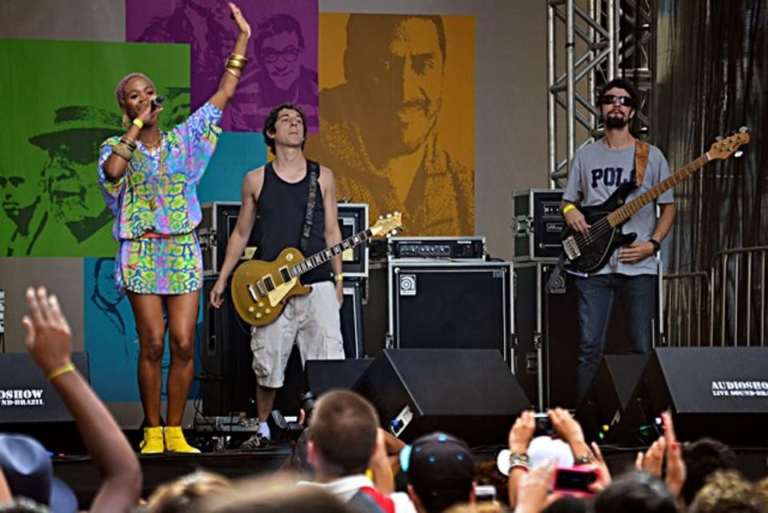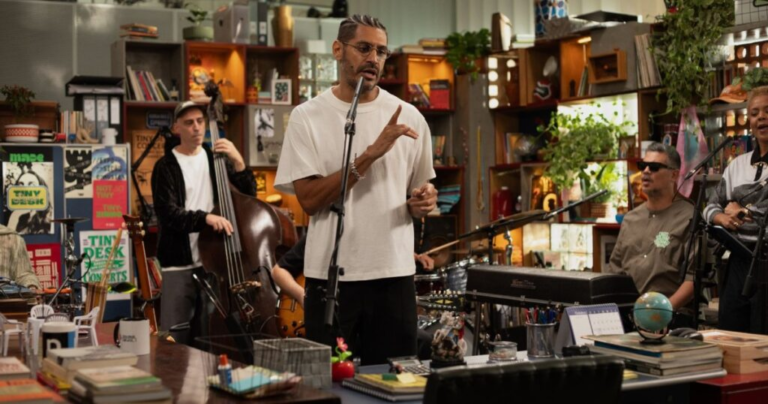
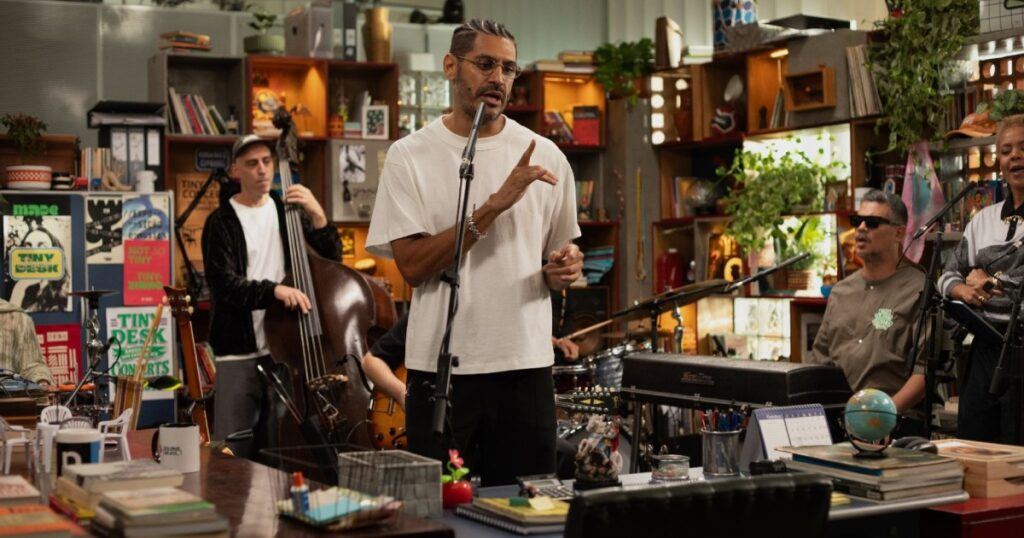
Brazilian rapper Criolo has revisited one of the most important albums of his career on Tiny Desk Brasil, reuniting with musicians from Nó na Orelha as the landmark project celebrates its 15th anniversary.
The session premiered on October 6, 2026, and places Criolo in the stripped-back Tiny Desk format alongside much of the team responsible for shaping the sound of his 2011 breakthrough album. Rather than treating the appearance as a standard promotional performance, Criolo used the opportunity to look back at a record that changed both his career and the wider conversation around Brazilian hip-hop. Billboard Brasil
Fifteen Years After Nó na Orelha
Released in 2011, Nó na Orelha became a turning point for Criolo.
Produced by Daniel Ganjaman and Marcelo Cabral, the album moved far beyond a single rap formula. Its songs brought together hip-hop, samba, afrobeat, reggae, MPB and soul, creating a musical language that helped Criolo reach listeners beyond Brazil’s traditional rap audience. Billboard Brasil
The album also arrived at an important moment for Brazilian hip-hop.
Criolo had already spent years inside São Paulo’s rap culture, but Nó na Orelha dramatically expanded his profile. It gained critical recognition, introduced him to a wider national audience and eventually helped take his music outside Brazil. Billboard Brasil
Fifteen years later, the Tiny Desk performance feels less like a nostalgic replay and more like an examination of why those songs still matter.
The Original Musicians Return
One of the strongest aspects of the session is the reunion of musicians closely connected to the original record.
Daniel Ganjaman serves as musical director while also playing keyboards and providing backing vocals. Marcelo Cabral performs on acoustic and electric bass.
They are joined by DJ Dandan, Guilherme Held, Maurício Badé, Thiago França, Vitor Cabral, and backing vocalists Dyani Primo and Jamah. Billboard Brasil
Bringing that group back together gives the performance a different character from a modern reinterpretation with an entirely new band.
These musicians helped create the musical environment surrounding Nó na Orelha in the first place.
For Criolo, that reunion was deeply emotional. He described the musicians as people who helped build the history of an album that remains extremely important in his life. Billboard Brasil
“Subirusdoistiozin” and “Não Existe Amor em SP” Return
The Tiny Desk set revisits several key songs from the album.
The performance includes “Subirusdoistiozin,” “Sucrilhos” and “Não Existe Amor em SP.” Criolo also performs “Ogum Ogum,” from his later album Sobre Viver, connecting the anniversary material with another stage of his career. Melodeira
“Não Existe Amor em SP” remains one of Criolo’s most recognizable songs.
Its bleak portrait of loneliness, distance and emotional emptiness in São Paulo helped the song travel far beyond rap audiences, becoming one of the defining tracks of Criolo’s career.
“Subirusdoistiozin,” meanwhile, represents another side of the album — one more directly connected to rap storytelling and the realities of life in the city’s peripheries.
Placing both songs inside an intimate studio setting strips away the scale of a festival or concert hall and puts more attention on the writing and musicianship.
Criolo Calls Tiny Desk an Emotional Challenge
Criolo has described the Tiny Desk environment as surprisingly intense.
He compared the experience to hearing his own recorded voice for the first time, explaining that the small-room format creates a sense of exposure that can make the artist feel more human and vulnerable. Billboard Brasil
At several points during the recording, he said he was unsure whether he would be able to begin or finish certain songs because of the emotion involved.
That reaction makes sense considering the history behind the material.
Criolo is not simply performing songs from his catalog.
He is standing beside musicians with whom he created a record that altered the direction of his life.
From Grajaú to International Recognition
Criolo’s journey began long before Nó na Orelha.
Born in Santo Amaro and raised in Grajaú, in São Paulo’s South Zone, he began writing rap while still very young and eventually became deeply involved in the city’s hip-hop culture.
He later helped create Rinha dos MCs, a battle and cultural space that became important to several generations of Brazilian rappers. Billboard Brasil
After the success of Nó na Orelha, Criolo went on to release projects including Convoque Seu Buda, Espiral de Ilusão and Sobre Viver.
His career also expanded into collaborations with major Brazilian artists including Emicida, Milton Nascimento, Caetano Veloso, Ney Matogrosso, Tom Zé, Ivete Sangalo and Mano Brown. Billboard Brasil
That makes returning to his 2011 breakthrough especially interesting.
The artist performing these songs today has lived through an entirely different level of success than the artist who first recorded them.
The Anniversary Continues Into 2027
The Tiny Desk session is part of a wider celebration surrounding the album.
Criolo has already announced a 2027 Brazilian tour marking 15 years of Nó na Orelha, with Daniel Ganjaman and Marcelo Cabral again involved in the artistic direction.
Confirmed dates include Belo Horizonte, Curitiba, Porto Alegre and São Paulo, with the shows designed to preserve much of the spirit and arrangements of the original project. Billboard Brasil
The anniversary celebration had already begun with Criolo’s performance at Coala Festival in September, making Tiny Desk Brasil another chapter in a much larger return to the album. Billboard Brasil
A Brazilian Rap Classic Gets a New Moment
What makes this Tiny Desk episode important is not simply that Criolo is performing old songs.
It shows how much those songs have endured.
Nó na Orelha arrived during a period when Brazilian rap was expanding into new musical territory, and its mix of styles helped open doors for artists who refused to stay inside strict genre boundaries.
Fifteen years later, the album is being revisited by the same musicians who helped shape it, now inside one of music’s most intimate performance formats.
For Criolo, the session is a chance to reconnect with an important chapter of his past.
For Brazilian hip-hop, it is a reminder that Nó na Orelha was not simply a successful album.
It became part of the genre’s modern history. rapdab.com.br
Featured image: use the official Criolo Tiny Desk Brasil photo by Ariela Bueno, published with coverage of the October 6 session.
About the Author