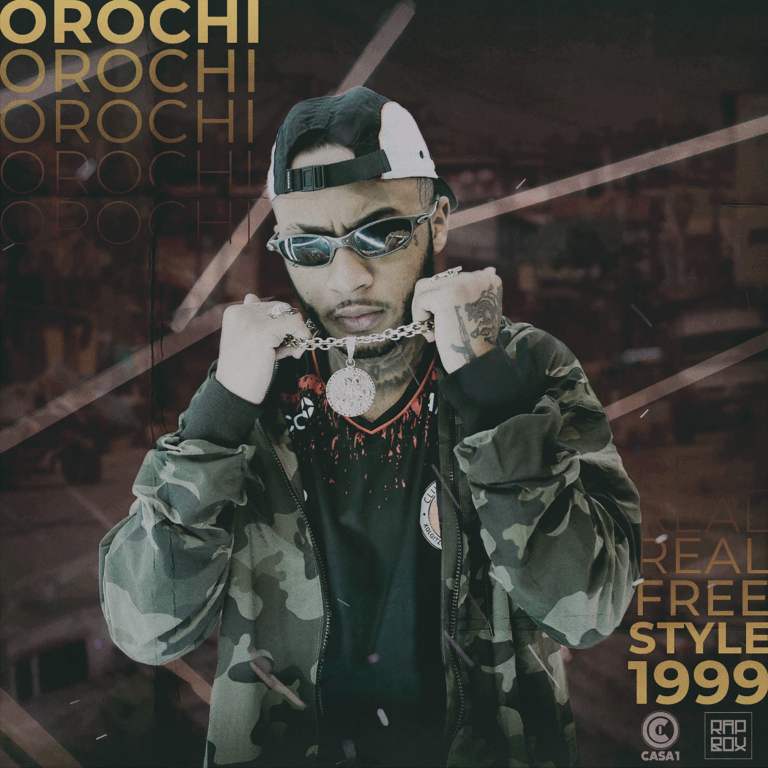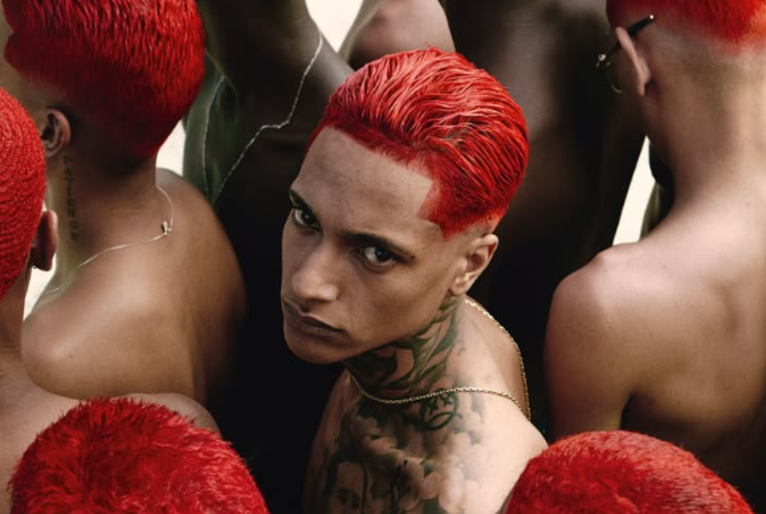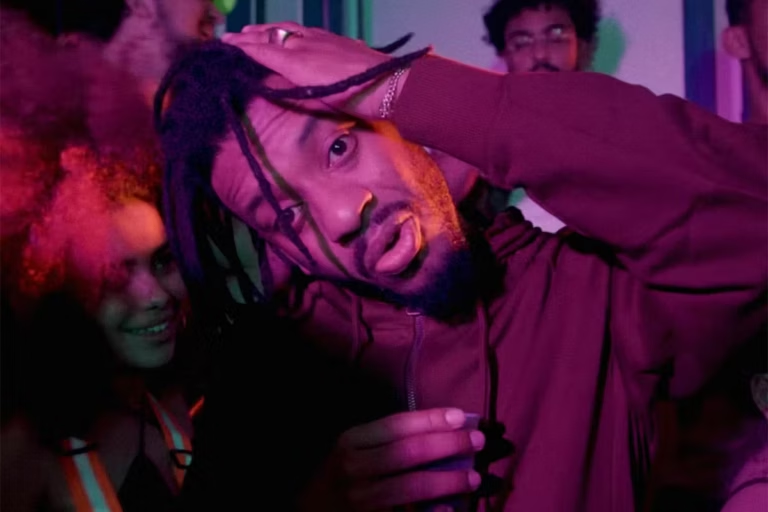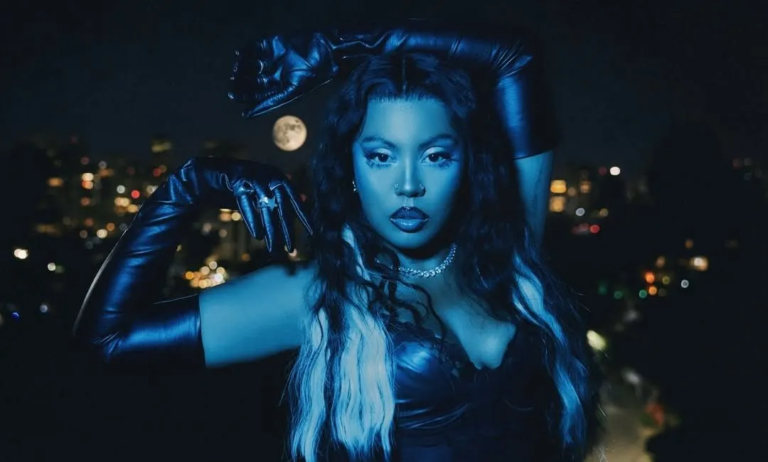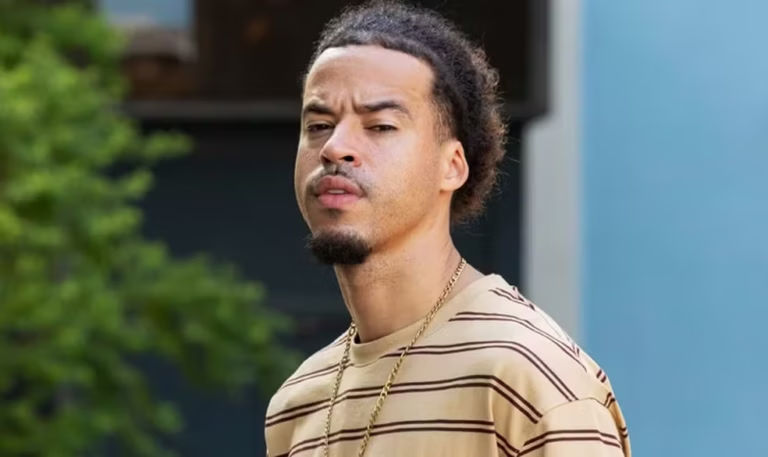

Brazil’s hip-hop scene continues to expand with new voices pushing the culture into fresh directions. The latest artist stepping into the spotlight is rising rapper Tayob J, who has officially released his debut studio album featuring some of the most respected names in Brazilian rap.
The project immediately caught attention for its heavyweight collaborations, including appearances from Criolo, Projota, and Rashid. These features place Tayob J in direct conversation with established voices in the country’s modern rap movement, signaling a strong entry into a competitive and fast-evolving scene.
For a debut artist, landing such collaborations is not just a milestone—it is a statement. It shows industry recognition, cultural alignment, and a clear intention to be part of Brazil’s mainstream hip-hop future.
A Debut That Feels Like a Statement, Not Just an Introduction
Tayob J’s debut album is being described by early listeners as more than just a first project. Instead of presenting himself cautiously, he steps forward with a fully formed artistic identity.
The album blends emotional storytelling, street-focused narratives, and modern trap-influenced production. Across the project, Tayob J balances aggressive rap delivery with melodic moments that reflect the hybrid nature of today’s Brazilian urban sound.
What makes the release stand out is its structure. Rather than relying on one sound direction, the album shifts between:
- trap-influenced beats
- soulful rap storytelling
- lyrical conscious hip-hop
- melodic, radio-ready tracks
This variety suggests that Tayob J is aiming for both underground respect and mainstream reach.
In Brazil’s current music landscape, where streaming performance and cultural relevance go hand in hand, this balance is essential for long-term success.
Heavyweight Features Anchor the Project
One of the most discussed elements of the album is its lineup of featured artists. Each guest brings a different era and style of Brazilian rap, creating a bridge between generations.
Criolo’s Artistic Depth
The presence of Criolo adds emotional weight to the project. Known for his poetic lyricism and socially conscious storytelling, Criolo represents the reflective and artistic side of Brazilian hip-hop.
His contribution is expected to elevate the album’s depth, adding themes that go beyond street narratives into broader social commentary. For Tayob J, this collaboration signals artistic ambition and a desire to be taken seriously within conscious rap circles.
Projota’s Mainstream Rap Influence
Projota brings a different energy to the project. Known for his ability to blend rap with mainstream appeal, Projota represents accessibility and radio-friendly structure.
His presence on the album helps bridge the gap between underground credibility and commercial success. This type of collaboration often plays a key role in pushing emerging artists into wider audiences, especially in Brazil’s highly competitive streaming market.
Rashid’s Lyrical Precision
Rashid adds lyrical discipline and flow precision to the project. His style is often rooted in storytelling, wordplay, and reflective themes.
By including Rashid, Tayob J aligns himself with one of the most respected lyrical voices in Brazilian rap. This not only strengthens the album’s credibility but also positions it as a project that values writing skill as much as production quality.
Sound Direction: A Mix of Trap Energy and Brazilian Identity
Sonically, Tayob J’s debut album reflects the current direction of Brazilian hip-hop: hybrid, flexible, and globally aware.
The production leans heavily into modern trap elements while still allowing space for local influences. You can hear:
- deep 808-driven basslines
- minimalist drum patterns
- atmospheric melodies
- occasional samples rooted in Brazilian musical textures
This fusion creates a sound that feels international but still grounded in local identity.
The album does not attempt to copy U.S. trap directly. Instead, it adapts global production trends into a Brazilian framework, which is one of the reasons it is gaining attention.
Brazil’s New-Wave Rap Movement and Tayob J’s Entry Point
Brazil’s hip-hop scene is currently experiencing a generational shift. A new wave of artists is emerging who are:
- digitally native
- heavily influenced by global trap and drill
- focused on streaming performance
- blending genres more freely than before
Tayob J enters the scene at exactly the right moment. His debut album reflects this new wave energy while still respecting the foundation laid by earlier Brazilian rap pioneers.
The inclusion of established artists like Criolo, Projota, and Rashid suggests a symbolic passing of the torch—where experienced voices validate new talent entering the space.
This dynamic is important in Brazilian hip-hop, where credibility is often built through collaboration and cultural alignment rather than just viral success.
Why This Album Matters for the Future of Brazilian Hip-Hop
Debut albums are often defining moments for new artists, but Tayob J’s release carries additional weight because of the names involved and the timing within the scene.
Brazilian rap is currently expanding globally, with more artists reaching international audiences through streaming platforms and social media. Albums like this help reinforce the idea that Brazil is not just consuming global hip-hop—it is actively contributing to its evolution.
Tayob J’s project shows:
- how new artists can enter the industry with strong alliances
- how collaboration bridges generational gaps
- how Brazilian rap continues to diversify its sound
It also reflects a broader trend: the blending of authenticity and commercial strategy in modern hip-hop careers.
Conclusion: A Strong First Step Into a Competitive Scene
Tayob J’s debut album marks a confident and strategic entry into Brazilian hip-hop. With features from Criolo, Projota, and Rashid, the project immediately positions him within a respected lineage of artists while also signaling a new direction for his own sound.
In a rapidly evolving music landscape, where genres blend and borders matter less than ever, Tayob J’s debut reflects the future of Brazilian rap: collaborative, global, and deeply rooted in storytelling.
If this debut is any indication, Tayob J is not just entering the scene—he is aiming to stay in it.
About the Author