The first week of March brought a steady wave of new music and cultural momentum to Brazil’s hip-hop scene. While the period didn’t revolve around a single blockbuster album release, artists across trap, rap, and hybrid urban sounds continued pushing new singles and visuals that kept the culture moving.
Between March 1st and March 7th, listeners saw strong activity across streaming playlists, underground releases, and community-driven promotion. From melodic trap to street-influenced rap, the diversity of Brazilian hip-hop remained one of its defining strengths.
Trap Artists Lead the Weekly Drops
Brazilian trap artists continued dominating the digital space during the first week of March. Platforms tracking new rap releases show dozens of active artists dropping singles or appearing on collaborative projects during this period.
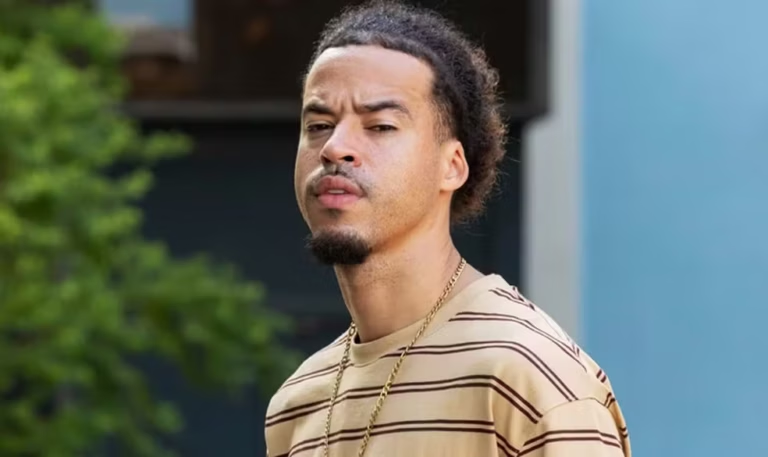
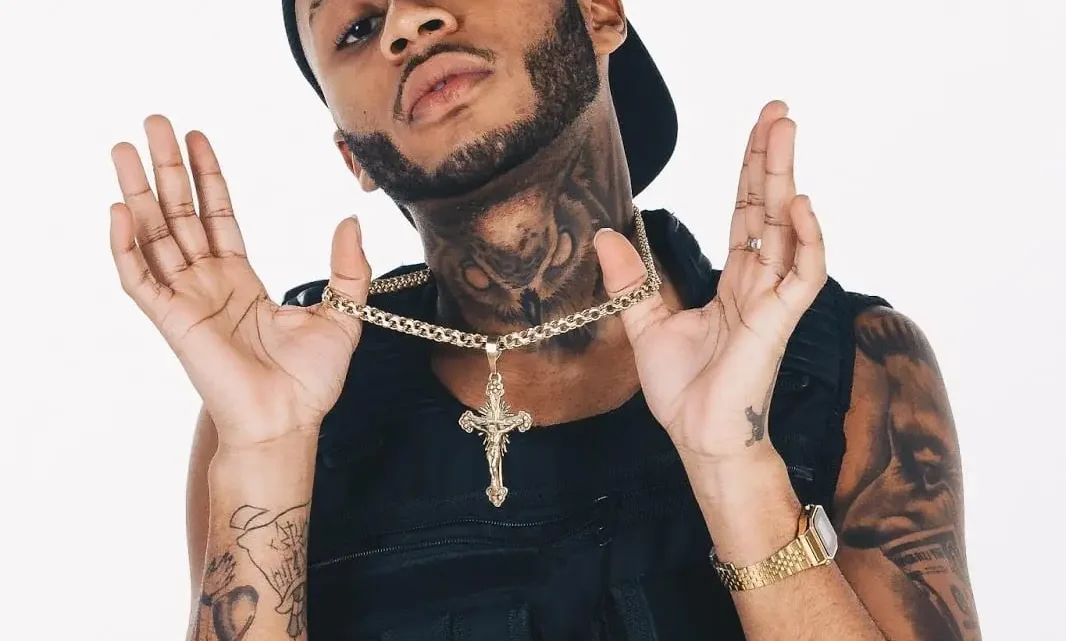
Names frequently appearing in playlists and discussions include artists such as Matuê, Filipe Ret, Orochi, and Mainstreet affiliates, whose music continues to shape the modern Brazilian trap sound.
These releases typically combine atmospheric melodies with heavy 808s and introspective lyrics—an approach that has become a signature of Brazil’s current rap wave.
YouTube Playlists Highlight the New Tracks
Another major driver of discovery this week has been YouTube playlist culture. Several curated playlists featuring new Brazilian rap songs for 2026 have circulated widely online, introducing listeners to fresh singles and visualizers from emerging artists.
These playlists often include:
- Newly released singles
- Independent artists experimenting with trap and drill
- Regional rap scenes gaining attention outside their home cities
Because many artists release visualizers alongside songs, YouTube continues to act as a powerful promotional tool for both independent and established rappers.
Underground Artists Keep the Scene Moving
Beyond major streaming platforms, the underground scene remained extremely active. Community playlists and local rap networks promoted new artists experimenting with sounds such as:
- Trap Baiano from Bahia
- Rap Mineiro emerging from Minas Gerais
- Hybrid trap-funk sounds inspired by Rio’s street culture
These regional styles are important because they keep Brazilian hip-hop diverse and authentic. Rather than copying international rap trends, many underground artists blend local slang, rhythms, and storytelling into their music.
Playlists and Community Sharing
Social media once again played a critical role in helping new tracks spread during the week. Fans shared songs through Instagram stories, WhatsApp groups, and Discord communities.
Instead of relying entirely on label promotion, many artists are building audiences through organic discovery and word-of-mouth sharing. This grassroots approach remains a defining element of Brazil’s rap ecosystem.
Culture Beyond the Music
Brazilian hip-hop culture also thrives through freestyle battles and community events. Rap battle traditions, like those that inspired events such as Batalha da Escada, continue shaping the culture by giving new rappers a platform to prove their lyrical skills in front of live audiences.
These events maintain the competitive spirit of hip-hop while also helping develop the next generation of artists.
Looking Ahead
If the first week of March is any indication, the rest of the month could bring significant releases from both mainstream stars and emerging voices. The Brazilian hip-hop scene is currently in a phase where creativity and experimentation are driving the culture forward.
Listeners can expect more collaborations, visual drops, and independent releases in the coming weeks as artists continue building momentum toward bigger projects later in the year.
Brazilian rap remains one of the most dynamic scenes in global hip-hop—and March is already proving why.
About the Author