 brazil hiphop
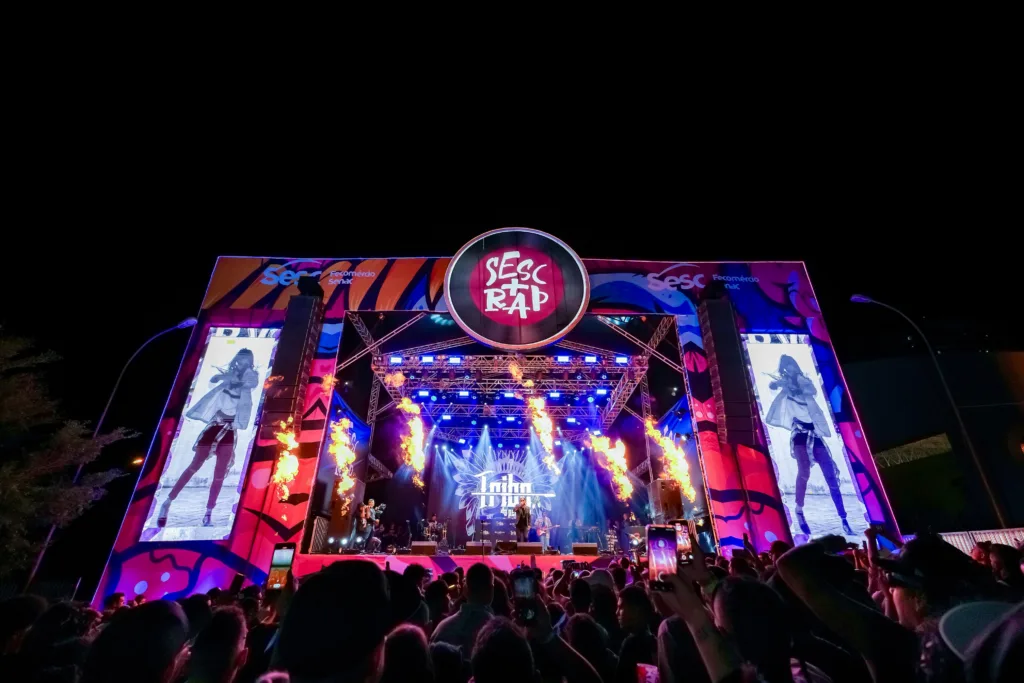
While mainstream Brazilian rap continues to thrive on streaming platforms, the real energy in 2026 is building deep in the underground. Across São Paulo, Rio de Janeiro, Belo Horizonte, and Salvador, a new generation of artists is emerging—raw, experimental, and hungry to redefine what Brazilian hip-hop sounds like. This isn’t industry-manufactured fame; it’s street-born momentum driven by cyphers, freestyle battles, and independent releases.
At the heart of this movement are battle circuits like Batalha da Aldeia and Batalha da Norte, where unknown MCs step into circles and leave with viral reputations. These spaces have become launchpads for artists who don’t rely on labels or heavy promotion. Instead, they build credibility through skill—wordplay, flow, and presence. It’s here that names like Kyan and Tz da Coronel first gained serious attention, representing a new wave that blends street realism with modern trap influences.
Another standout in the underground rise is Filipe Ret, who, while now more established, still carries the independent mindset that defines the scene. His success story continues to inspire younger rappers to build their own lanes without fully depending on major industry structures. That influence has sparked a wave of artists choosing independence over quick fame.

In São Paulo’s underground circuits, artists like Veigh are pushing melodic trap forward, creating music that balances emotional storytelling with catchy, atmospheric production. Meanwhile, Rio’s streets are producing artists who mix rap with funk carioca energy, giving their sound a gritty, dance-ready edge that resonates strongly with local audiences.
Behind many of these rising rappers are producers shaping the sonic identity of the new wave. Figures like Skeeter Beats are crafting beats that fuse global trap aesthetics with Brazilian rhythms, helping underground artists sound both local and internationally competitive. This producer-driven evolution is one of the reasons the underground scene feels so fresh and unpredictable.
What makes this generation stand out is its versatility. Unlike previous eras where artists leaned heavily into either conscious rap or street narratives, today’s underground rappers move fluidly between themes. One track might focus on survival in the favela, while the next dives into ambition, relationships, or mental struggles. This flexibility reflects a generation growing up in a digital world where global influence is just a click away.
Social media and streaming platforms have also played a crucial role in amplifying underground voices. Short freestyle clips, cypher highlights, and independent drops can go viral overnight, turning unknown artists into trending names without traditional marketing. For many fans, discovering new talent through these platforms feels more authentic than following mainstream charts.
Still, the underground scene isn’t just about music—it’s about culture. These artists are shaping fashion, slang, and identity within their communities. Their influence can be seen in how young people dress, speak, and express themselves. It’s a grassroots movement that goes beyond sound and into lifestyle.
There’s also a noticeable tension between the underground and the mainstream. Some rising artists are wary of signing to major labels, fearing they might lose creative control or authenticity. Others see mainstream success as the ultimate goal but want to reach it on their own terms. This push-and-pull dynamic is fueling competition and innovation within the scene.
In 2026, Brazil’s underground hip-hop is not just a stepping stone—it’s a destination in itself. With artists like Kyan, Tz da Coronel, Veigh, and Filipe Ret continuing to push boundaries, the movement is proving that the future of Brazilian rap isn’t waiting to be discovered—it’s already being built, one cypher at a time.