 brazil hiphop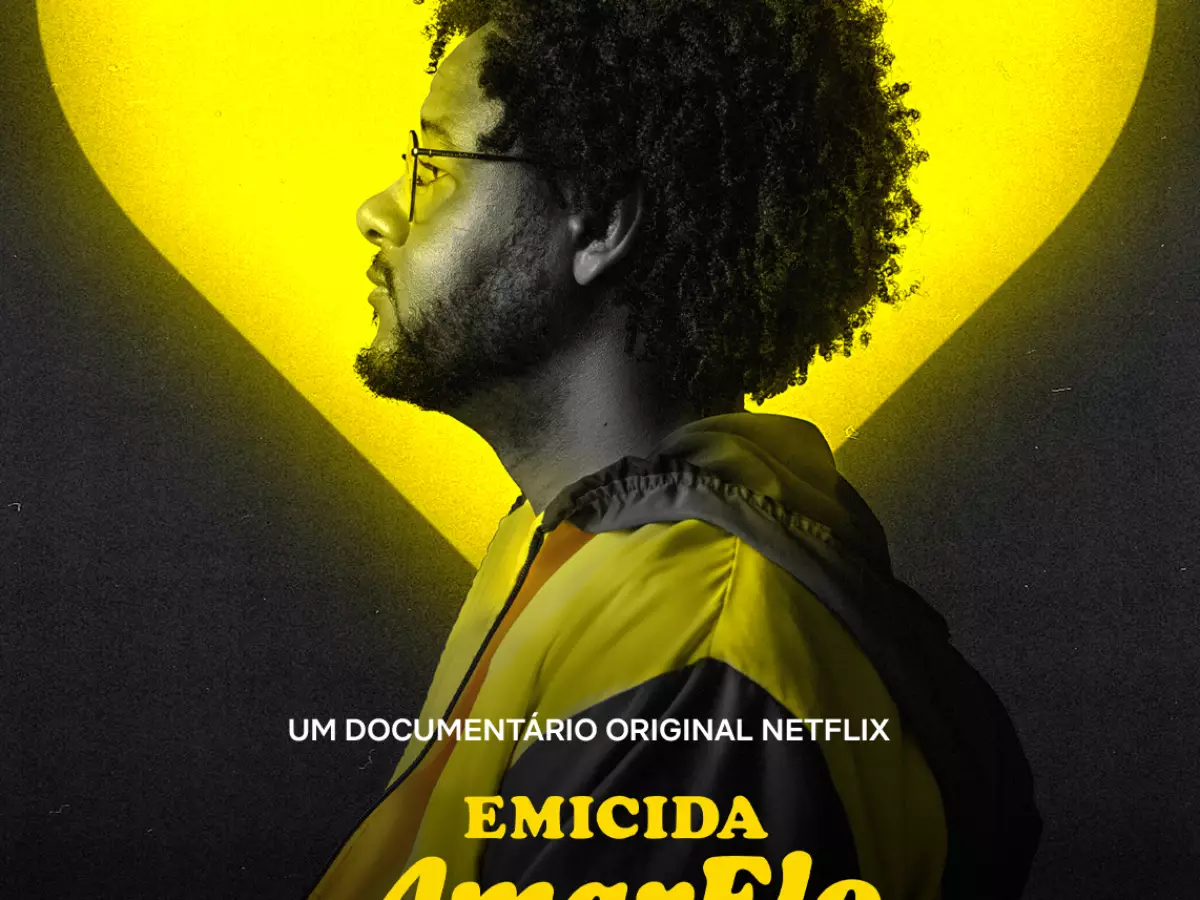
In 2026, Emicida is no longer just part of Brazil’s hip-hop conversation—he’s shaping its direction. At a time when the genre is balancing between commercial trap success and its roots in social consciousness, Emicida stands as a bridge between eras. His recent work and public presence have reinforced his role not just as an artist, but as a cultural voice documenting and redefining Black Brazilian identity.

The momentum surrounding his latest phase—often tied to projects like Emicida Racional Vol. 2—has reignited debates about what hip-hop in Brazil should represent. While many mainstream acts focus on streaming numbers and viral appeal, Emicida continues to lean into storytelling, history, and purpose. His music doesn’t chase trends; it challenges listeners. That distinction is what has placed him at the center of Brazil’s cultural dialogue in 2026.

A major part of Emicida’s impact lies in how he builds on the foundation laid by pioneers like Racionais MC’s. Where Racionais documented the harsh realities of favela life in raw, unapologetic detail, Emicida expands that narrative into something broader—exploring identity, ancestry, education, and global Black consciousness. His approach feels less like protest alone and more like preservation and evolution.
What makes his current wave so powerful is its timing. Brazilian hip-hop is experiencing a surge in trap and commercial rap, with younger artists focusing on lifestyle, fashion, and digital fame. Against this backdrop, Emicida’s work feels almost rebellious in its depth. He brings conversations about systemic inequality, cultural pride, and historical memory back into the spotlight—without sounding outdated. Instead, he blends modern production with rich lyrical substance, proving that conscious rap can still resonate in today’s algorithm-driven music industry.
Beyond music, Emicida’s cultural influence extends into education, literature, and entrepreneurship. Through his brand and platform, he has consistently promoted Black culture, Brazilian history, and independent creative ownership. In 2026, this multi-dimensional approach is gaining even more recognition. Fans and critics alike are starting to view him less as a traditional rapper and more as a cultural architect—someone shaping narratives beyond the studio.
Another key element of his impact is how he connects local struggles to global conversations. Emicida often draws parallels between the Black Brazilian experience and the wider African diaspora. This global perspective has helped Brazilian hip-hop gain more international respect, especially as audiences outside Brazil begin to engage with Portuguese-language rap more seriously. His performances and collaborations continue to carry that message across borders, making him one of the most important cultural ambassadors in the genre.
At the same time, his influence is being felt among the new generation of artists. Many emerging rappers in São Paulo and beyond are shifting their approach—blending introspective lyrics with social awareness, inspired by Emicida’s balance of artistry and message. Even within the trap-heavy scene, there’s a noticeable increase in artists experimenting with deeper themes, suggesting that his presence is quietly reshaping the creative direction of Brazilian rap.
Still, his position is not without tension. Some critics argue that the mainstream audience gravitates more toward lighter, more commercially driven music, leaving conscious rap in a niche space. Others counter that Emicida’s continued relevance proves there is still a strong appetite for substance. In reality, his success highlights a dual truth: Brazilian hip-hop can evolve commercially without abandoning its roots—and artists like Emicida are essential in maintaining that balance.
As 2026 unfolds, Emicida’s wave is less about dominating charts and more about influencing culture. He represents a form of hip-hop that is intentional, reflective, and deeply connected to identity. In a rapidly changing music landscape, that kind of presence is rare—and necessary.