 brazil hiphop
Decades after their rise, Racionais MC’s remain the most influential force in Brazilian hip-hop. In 2026, their name is still central to debates about authenticity, lyrical depth, and the true purpose of rap in Brazil. While new artists continue to emerge and streaming trends shift toward trap and commercial sounds, the legacy of Racionais MC’s refuses to fade—it evolves, adapts, and continues to challenge the culture.
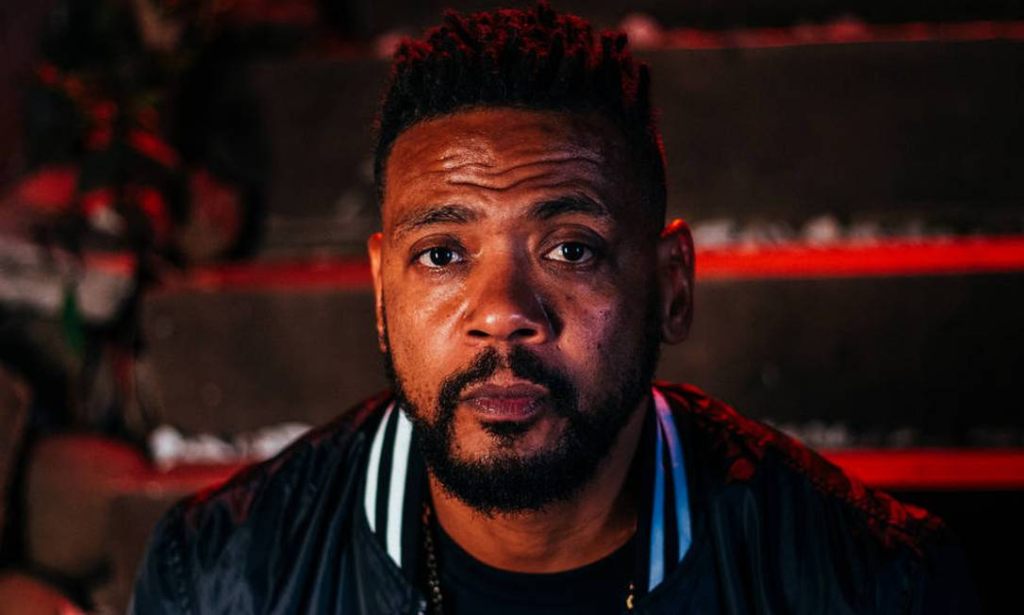
Formed in São Paulo, the group built their reputation by speaking directly to the realities of favela life—poverty, racism, police brutality, and survival. Their music didn’t aim to entertain first; it aimed to expose. Albums like Sobrevivendo no Inferno became more than just records—they turned into cultural documents, studied in schools and referenced in social discussions across Brazil. That kind of impact doesn’t disappear with time; it becomes foundational.
In today’s hip-hop climate, their influence is most visible in how artists are judged. Every new rapper entering the Brazilian scene is, consciously or not, measured against the standards set by Racionais MC’s. Lyrical honesty, social awareness, and connection to real-life struggles remain key benchmarks—and these are standards the group established decades ago. For many fans and critics, if an artist lacks that depth, they risk being labeled as superficial, regardless of their popularity.
This ongoing comparison has sparked tension within the scene. As trap and commercially driven rap dominate streaming platforms, some argue that the genre is drifting away from its roots. In this conversation, Racionais MC’s are often used as the counterpoint—the reminder of what hip-hop was built on in Brazil. Their work represents resistance, identity, and storytelling rooted in lived experience, which stands in contrast to the more lifestyle-focused themes of modern rap.
At the same time, their legacy isn’t just about criticism—it’s about inspiration. Artists like Emicida have taken the blueprint created by Racionais and expanded it into new territories, blending social commentary with broader cultural exploration. This shows that their influence doesn’t limit creativity; it fuels it. Instead of copying their style, newer artists reinterpret their message for a new generation.
Beyond music, Racionais MC’s have become symbols of cultural empowerment. Their rise from the margins to national recognition represents a shift in Brazilian society, where voices from the periphery gained visibility and respect. In 2026, that symbolism still matters. Their story continues to resonate with young people growing up in similar environments, proving that hip-hop can be both a form of expression and a tool for change.
Interestingly, their dominance in conversation is also driven by absence. Unlike many modern artists who constantly release content and maintain online presence, Racionais MC’s operate with a level of distance. They don’t flood the market with music or chase trends. This scarcity has only amplified their mythos, making every mention, performance, or reference feel significant.
Meanwhile, the rise of digital platforms has introduced a new generation to their work. Younger listeners discovering Brazilian hip-hop through streaming services often find themselves going back to Racionais MC’s catalog, realizing how much of today’s sound and message traces back to them. In this way, their legacy continues to grow, even among audiences who were not around during their peak years.
However, the conversation isn’t without critique. Some voices argue that constantly comparing new artists to Racionais MC’s can limit the evolution of the genre, creating unrealistic expectations or nostalgia-driven standards. Yet even this criticism reinforces their importance—few groups in any country hold such a powerful, ongoing influence over a genre’s identity.
In 2026, Racionais MC’s are not just a legacy act—they are a living reference point. Whether through direct inspiration, cultural debate, or generational influence, their presence is still felt in every corner of Brazilian hip-hop.
Their dominance in the conversation isn’t about staying relevant. It’s about never losing relevance in the first place.