 brazil hiphop
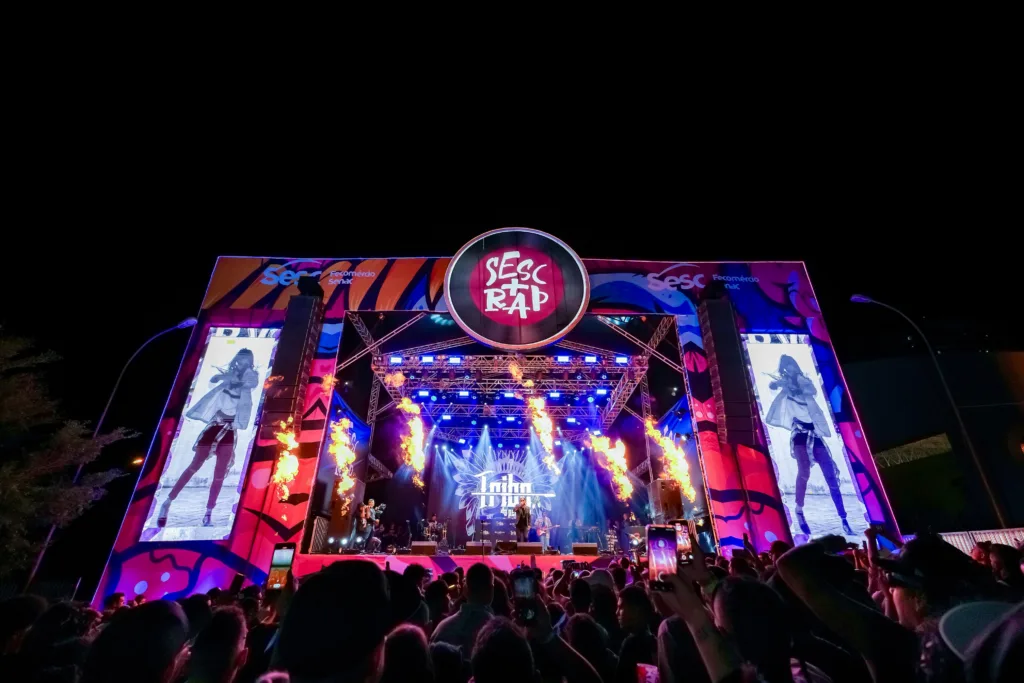
Brazil’s hip-hop scene in 2026 is moving fast, loud, and unapologetically real. From São Paulo’s underground cyphers to Rio’s street anthems, a new wave of rap songs is taking over playlists, TikTok trends, and late-night speakers across the country. What’s driving this surge isn’t just catchy hooks—it’s a mix of authenticity, cultural fusion, and a generation of artists who understand both the streets and the algorithm.
Right now, viral success in Brazil isn’t controlled by traditional radio or labels. It’s shaped by social media momentum, fan engagement, and how well a track connects emotionally or energetically with listeners. And in this environment, several songs have risen to the top, defining the current sound of Brazilian rap.

One of the biggest names dominating the viral charts is Tz da Coronel. His tracks “Não Temos Medo” and “Qual é seu desejo?” are everywhere—from TikTok edits to street playlists. “Não Temos Medo” hits hard with aggressive delivery and fearless lyrics, capturing the intensity of favela life and ambition. On the other hand, “Qual é seu desejo?” leans into a more melodic vibe, showing his versatility and broad appeal. Together, these songs highlight why Tz da Coronel is one of the most talked-about artists in Brazil right now.
Another track making serious waves is the cypher-style “Manifesto #1: A Rua Cercada Por Divisão,” led by Oruam alongside MC Poze do Rodo and Real Fubá. This song stands out because it brings back raw, collective storytelling—multiple voices reflecting on life in the streets, unity, and internal struggles within communities. It’s not just a song; it feels like a statement. The track has been widely shared across platforms, especially among fans who crave substance alongside energy.
Melodic trap continues to dominate the softer, more emotional side of the viral spectrum, and Veigh is leading that charge. His track “Ballena” has become a favorite for fans who prefer introspective lyrics paired with atmospheric production. It’s the kind of song that thrives on repeat listens, often used in social media edits that emphasize mood, relationships, and personal reflection.
Meanwhile, Kyan is pushing a hybrid sound that blends rap with the bounce of funk carioca. His track “Novo Balanço” is gaining traction for its infectious rhythm and street appeal. It’s a perfect example of how Brazilian artists are refusing to stay in one lane—mixing genres to create something uniquely local but globally appealing.
The crossover between rap and funk is also evident in artists like MC Cabelinho, whose track “Desfile na Favela” is dominating party scenes and club playlists. While more mainstream, the song still carries the DNA of street culture, making it resonate across different audiences.
For listeners looking for depth, Filipe Ret offers a different kind of viral moment with “Luxo & Caos.” The track dives into the contrast between success and inner struggles, connecting with fans who appreciate more reflective and lyrical content. It shows that even in a fast-paced, trend-driven scene, there’s still space for introspection.
What ties all these songs together is the ecosystem they thrive in. Platforms like TikTok and Instagram Reels are driving discovery, turning snippets of songs into viral sensations. A catchy hook, a relatable line, or a danceable beat can push a track from underground release to nationwide hit in days. At the same time, freestyle culture and street credibility still matter. Many of these artists built their names in cyphers and battles before breaking into the mainstream.
Another defining feature of Brazil’s viral rap scene is its sound. Trap remains the foundation, but it’s constantly being reshaped by local influences—especially funk carioca. This fusion gives Brazilian rap its unique identity, setting it apart from other global scenes. It’s familiar enough to connect internationally but distinct enough to feel original.
As 2026 unfolds, the list of viral songs will keep changing, but the formula behind them is becoming clear. Authenticity, adaptability, and cultural connection are what drive success. Whether it’s the raw energy of Tz da Coronel, the collective voice of Oruam and MC Poze do Rodo, or the melodic storytelling of Veigh, Brazilian hip-hop is proving that it doesn’t need to follow global trends—it can set them.