Brazilian hip-hop took the spotlight on August 6 as the country marked National Rap Day (Dia Nacional do Rap), a date that celebrates one of the most influential forms of music to emerge from the country’s urban and peripheral communities.
The occasion has become an opportunity to look beyond rap’s commercial success and examine how the culture has developed from the periferias into one of Brazil’s most visible musical movements.
Brazilian rap has spent decades documenting the realities of life in the country’s urban communities. From questions surrounding racism and inequality to identity, ambition and everyday life, rappers have used the music as a way to tell stories that have often been overlooked by mainstream culture.
That history remains central to the genre even as Brazilian rap has expanded commercially.
Over the years, artists from different generations have helped take rap from local scenes and independent releases to major festivals, streaming platforms, television and some of the country’s biggest stages.
From the Periferias to Major Festivals
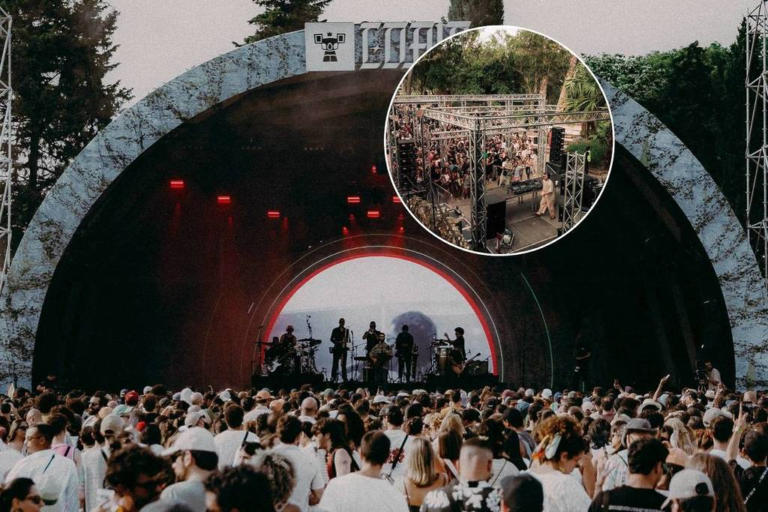
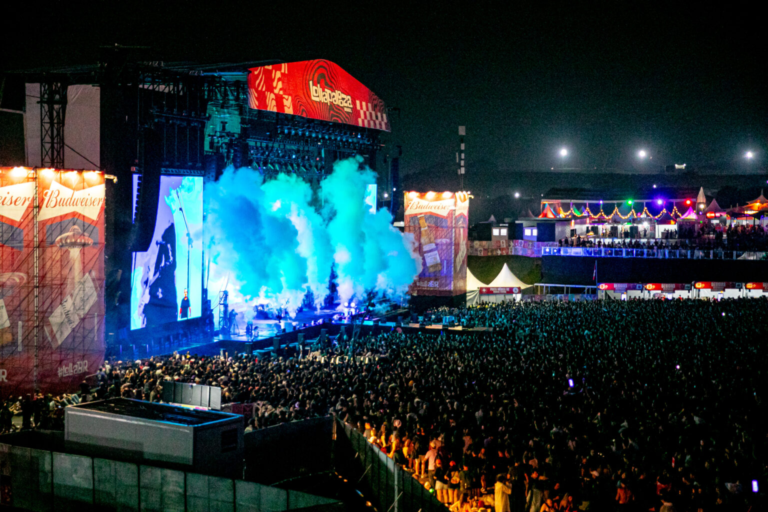
One of the clearest signs of that evolution is rap’s growing presence at major Brazilian music festivals.
Rock in Rio, one of the country’s biggest music events, has increasingly incorporated Brazilian rap and hip-hop artists into its programming, reflecting the genre’s growing importance within the national music industry.
The development represents a significant shift from the early years of Brazilian hip-hop, when rap was frequently associated primarily with underground and peripheral culture.
Today, Brazilian rappers can share festival lineups with major pop, rock and international artists, while rap and trap records regularly compete for attention at the top of streaming charts.
The transformation has also created space for different generations of artists.
Veterans who helped establish Brazilian rap have continued to influence younger artists, while a new generation has introduced trap, drill, R&B, funk and other sounds into the country’s hip-hop ecosystem.
A New Generation Is Pushing Brazilian Rap Forward
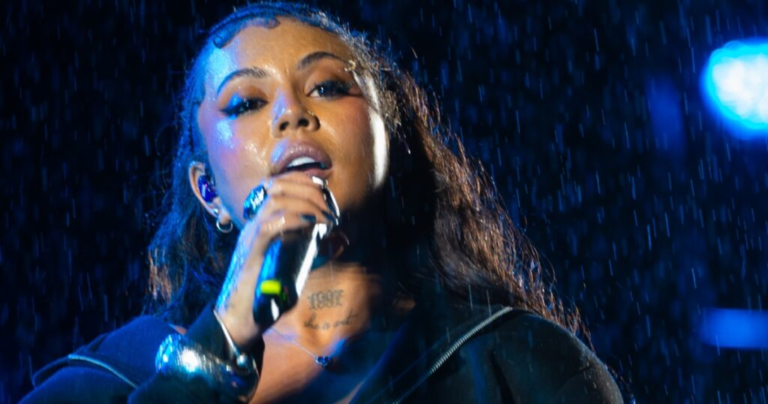
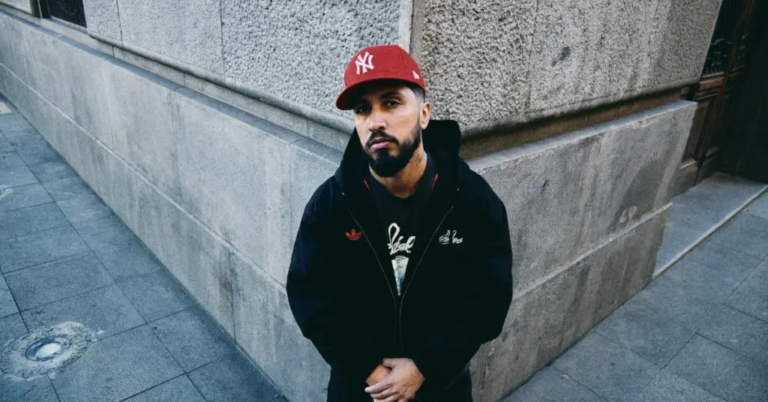
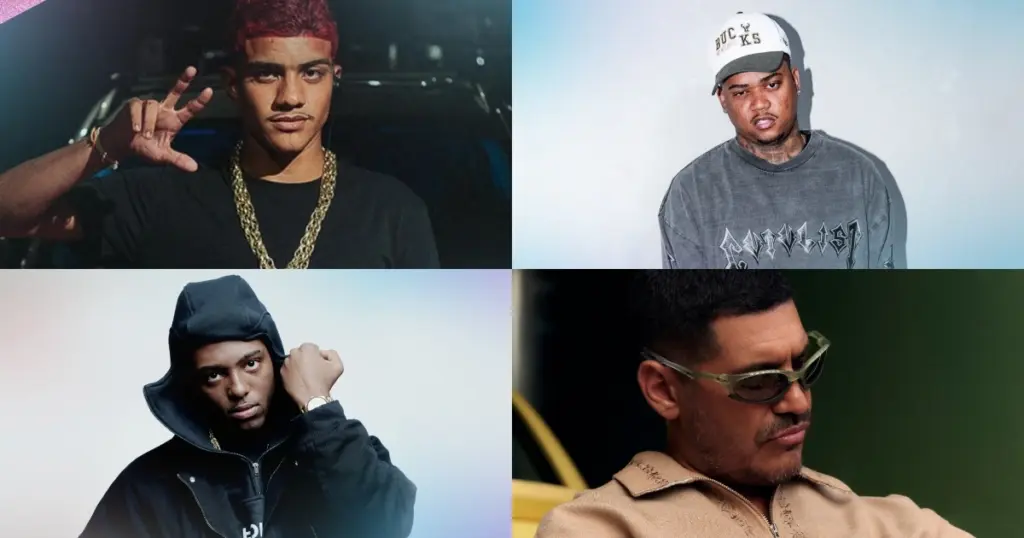
Artists such as Djonga, Duquesa, Tasha & Tracie, L7NNON, Orochi, WIU and Veigh represent different sides of Brazil’s contemporary rap movement.
Their music demonstrates how broad the country’s hip-hop scene has become. Traditional boom-bap continues to have an audience, while trap and melodic rap have become major forces among younger listeners.
Women are also playing an increasingly important role in the scene.
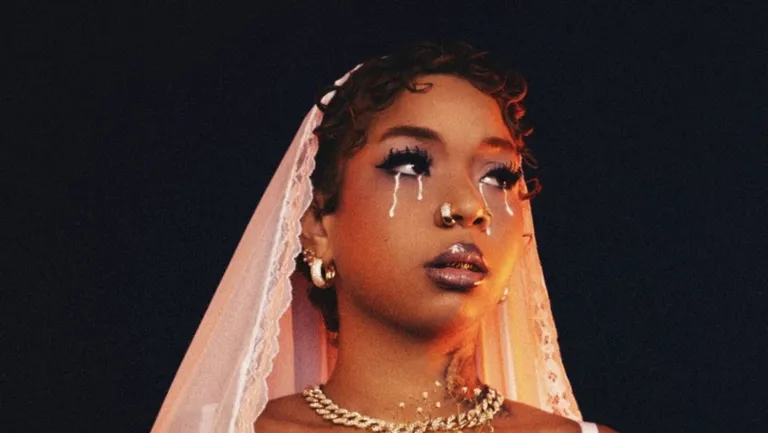
Rappers including Duquesa, Tasha & Tracie, Budah, Ebony and Tassia Reis have helped expand the visibility of women within Brazilian hip-hop, bringing their own perspectives and experiences into a scene that has historically been dominated by men.
That growing diversity is part of what makes the current period particularly important for Brazilian rap.
Rap Remains Connected to Its Roots
Despite its commercial growth, the culture’s relationship with Brazil’s periferias remains one of its defining characteristics.
Community events, freestyle battles, graffiti, breaking and independent rap movements continue to operate alongside the industry’s larger festivals and streaming-driven artists.
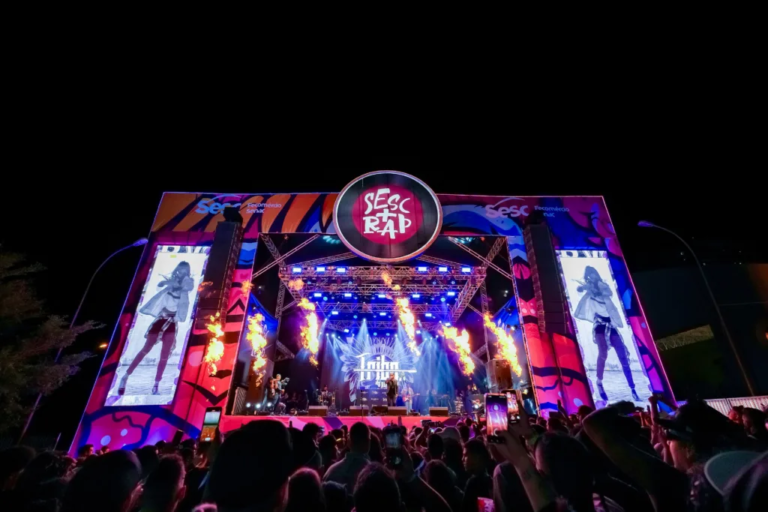
That connection is visible in events such as Sesc + Rap, which brings established artists and newer voices together while incorporating different elements of hip-hop culture.
The festival’s upcoming edition in Ceilândia, Brasília, featuring Djonga, Duquesa, Ndee Naldinho and Viela 17, is another example of how Brazilian rap continues to connect its past with its present.
National Rap Day therefore represents more than a celebration of a musical genre.
It is also a reminder of the cultural movement that developed around rap and the communities that gave it a home.
Brazilian Hip-Hop Is Still Evolving
Brazil’s rap scene is now much larger than it was when the country’s early hip-hop pioneers began recording and performing.
Streaming has opened new paths for independent artists, while social media and digital platforms allow rappers from cities outside the traditional São Paulo and Rio de Janeiro centers to reach audiences across the country.
At the same time, Brazilian artists continue to experiment with the relationship between rap and other local sounds, particularly funk, MPB and regional music.
That evolution means there is no single sound defining Brazilian rap in 2026.
There are artists preserving boom-bap traditions, rappers pushing trap forward, women creating new spaces within the culture and regional scenes developing their own identities.
As Brazil celebrated National Rap Day on August 6, the occasion highlighted how far the culture has traveled—from the periferias to the country’s biggest stages—while showing that its influence continues to grow.
For Brazilian hip-hop, the story is no longer simply about breaking into the mainstream. Rap has become part of Brazil’s mainstream musical identity while continuing to carry the voices and experiences that shaped it.
About the Author