By Eli Jesse
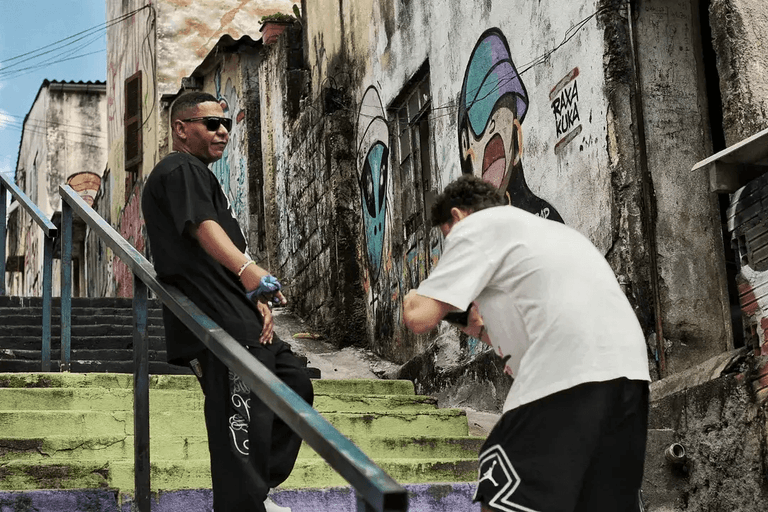
Brazil’s hip-hop scene continues to thrive this month, even without a wave of blockbuster album releases. Instead of relying on major-label rollouts, the country’s independent rap and trap artists are driving engagement through streaming platforms, YouTube, and social media, proving that Brazil’s urban music movement remains one of the strongest in the world.
From São Paulo’s trap scene to Rio de Janeiro’s rap collectives, independent musicians are attracting millions of listeners by releasing music directly to fans. Their success reflects a broader shift in Brazil’s music industry, where streaming numbers and digital engagement have become just as important as traditional album campaigns.
Independent Artists Continue Leading the Conversation
Over the past decade, Brazil has become one of the world’s fastest-growing streaming markets. That growth has created new opportunities for independent rappers who no longer need major record labels to reach large audiences.
Artists are building loyal fan bases through:
- YouTube music videos
- Spotify playlists
- TikTok and Instagram Reels
- Independent digital releases
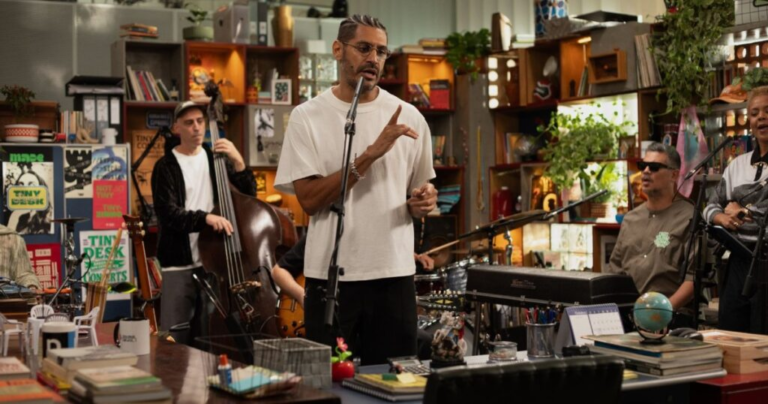
- Live sessions and freestyle videos
By maintaining a steady flow of singles and visual content, many independent artists are staying in the spotlight between major album releases.
This approach has helped keep Brazil’s rap scene active throughout the year while giving emerging talent an opportunity to compete alongside established stars.
Brazilian Trap Continues to Thrive
Trap remains one of the most popular sounds in Brazilian hip-hop.
Influenced by both American trap and local musical traditions, Brazilian artists have developed a distinctive style that combines melodic flows, heavy 808s, and street storytelling with elements of funk carioca and regional rhythms.
Rather than slowing down, the genre continues to attract strong listener interest across streaming services.
Many of Brazil’s biggest trap records begin as independent releases before gaining momentum through fan sharing and playlist support. Viral success on social media has become an important pathway for artists looking to reach wider audiences.
The result is a constantly evolving trap scene where new names can break through at any time.
YouTube Remains a Powerful Platform
While streaming services continue growing, YouTube remains one of the most important platforms for Brazilian hip-hop.
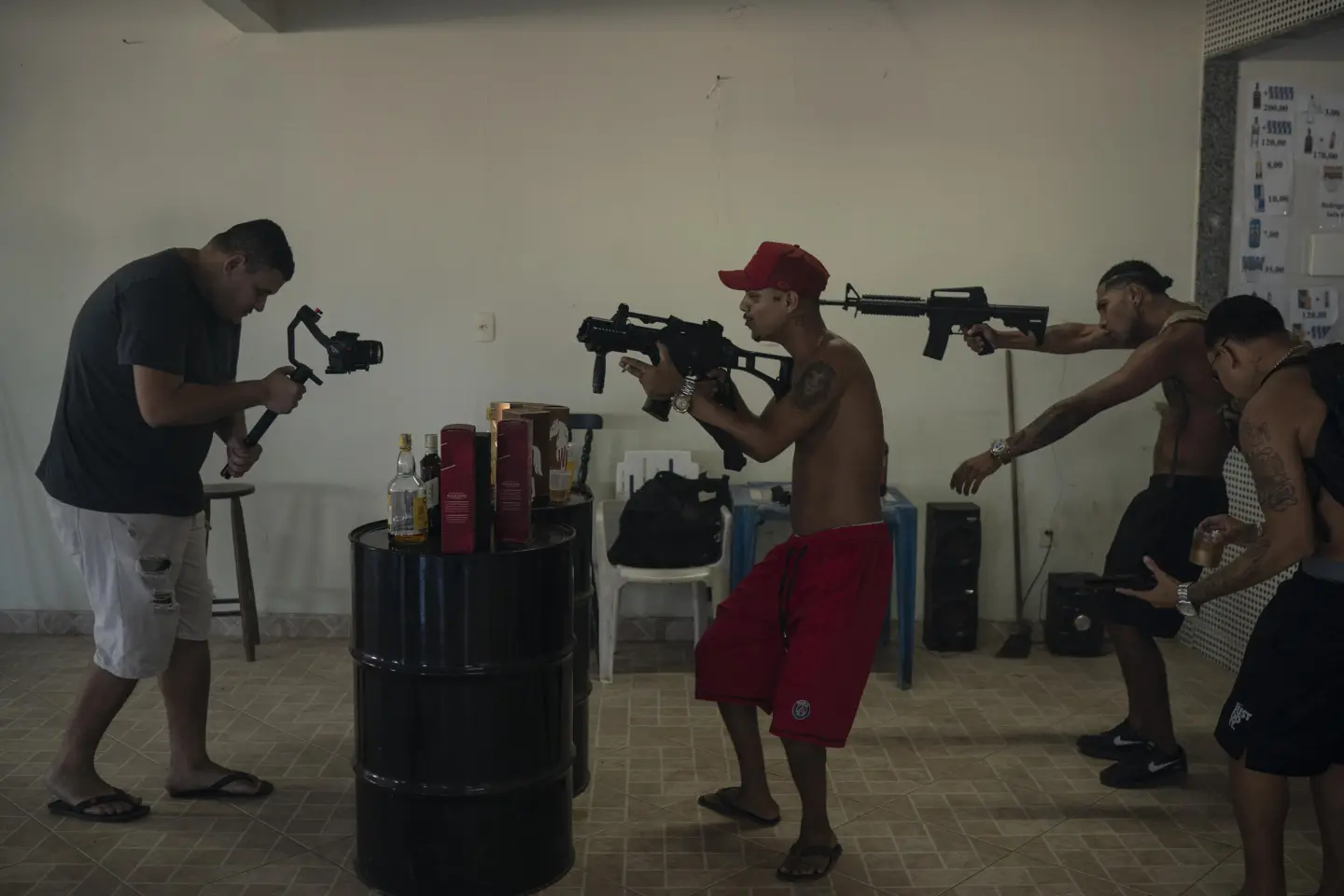
Music videos, freestyle sessions, cyphers, and behind-the-scenes content regularly attract millions of views, giving artists additional ways to connect with fans.
Independent creators are also using YouTube to:
- Premiere new singles
- Showcase live performances
- Release documentaries and interviews
- Collaborate with other rappers
- Build long-term communities
For many fans, YouTube remains the first place they discover new Brazilian rap talent.
Social Media Is Driving Music Discovery
The relationship between hip-hop and social media continues to strengthen.
Short-form videos on TikTok and Instagram have become essential promotional tools, helping songs spread quickly through dance challenges, fan edits, and viral clips.
Independent artists often use these platforms to preview unreleased music, interact directly with supporters, and build anticipation for upcoming projects.
This digital-first strategy allows musicians to remain visible without waiting for major promotional campaigns.
As a result, streaming platforms are increasingly reflecting what gains traction online.
A Healthy Underground Scene
One of the biggest strengths of Brazilian hip-hop is its underground ecosystem.
Across cities such as São Paulo, Rio de Janeiro, Belo Horizonte, and Porto Alegre, local artists continue releasing independent music that reflects their communities and personal experiences.
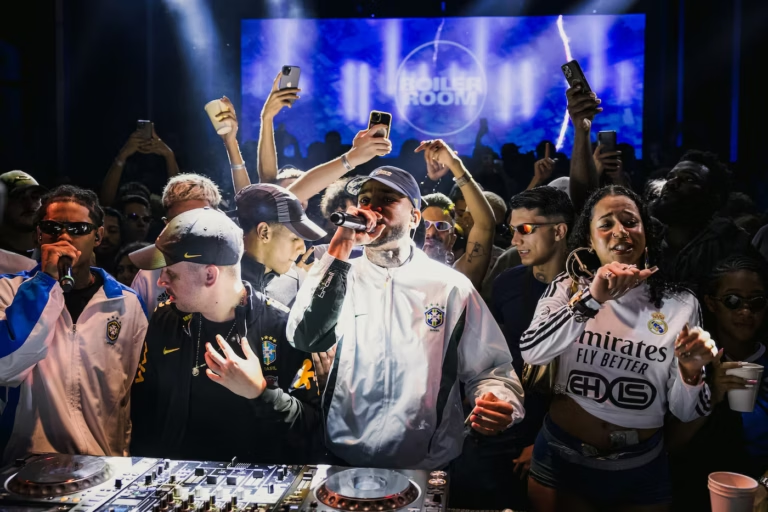
Cypher sessions, collaborative projects, and grassroots performances continue introducing fresh voices to the national rap audience.
This steady flow of new talent helps ensure that Brazilian hip-hop remains innovative and competitive.
Many of today’s biggest rap stars first gained attention through independent releases before achieving mainstream recognition.
Digital Independence Is Reshaping the Industry
The success of independent artists demonstrates how much Brazil’s music industry has changed.
Streaming platforms have given musicians greater control over:
- Music distribution
- Audience engagement
- Marketing strategies
- Creative direction
- Career development
Without relying exclusively on traditional labels, artists can release music more frequently and respond quickly to audience demand.
This flexibility has become one of the defining characteristics of Brazil’s modern hip-hop movement.
Looking Ahead
Although July has seen relatively few blockbuster album releases, Brazilian rap continues to maintain impressive momentum through independent creativity and digital engagement.
Trap remains one of the country’s most popular genres, while streaming services and YouTube continue providing opportunities for artists to build successful careers on their own terms.
As more listeners discover independent Brazilian rappers through playlists, viral videos, and social media, the country’s hip-hop scene appears well positioned for continued growth.
Rather than waiting for major-label releases to define the conversation, Brazil’s independent artists are proving that consistent creativity and direct fan engagement remain the driving forces behind one of the world’s most exciting rap movements.
About the Author